- HOME
- Business
- Business tools for 2026: Why CRM alone is not enough for small businesses
Business tools for 2026: Why CRM alone is not enough for small businesses
- Last Updated : January 29, 2026
- 369 Views
- 4 Min Read
For many small and medium businesses in Australia and New Zealand, crm is where the tech journey starts. you track leads, manage customers, and follow up on deals. that’s important. but today, running a business needs more than just a crm.
Daily work requires too many internal chats, approvals, events, notes, reports, and process handovers for teams to rely on memory instead of systems. This is where many SMBs feel stretched, because their tools do not talk to each other.
As businesses move into 2026, the focus is shifting. It is no longer just about managing customers. It is about managing the entire business flow with simple, connected tools.
Let’s look at some underrated business tools that small businesses should start using and why an all in one business software approach makes this easier.
Why CRM alone is not enough anymore
CRM helps you manage customer data. But it does not handle everything around it.
For example:
Where do internal discussions about a deal happen?
How do teams track tasks linked to customer requests?
Where are meeting notes, approvals, or follow ups stored?
How do teams stay aligned without long email chains?
When these activities happen outside the CRM, teams switch between apps all day. This adds friction and wastes time. Business software integration solves this by connecting tools that support the full journey, not just sales.
Many small businesses still rely on emails for internal updates. This creates long threads, missed messages, and slow replies. A dedicated team chat tool changes this.
Create channels for projects or departments
Share updates in real time
Link conversations directly to tasks or customer records
This keeps discussions short, clear, and searchable. More importantly, it reduces internal delays and confusion. When chat connects with CRM and tasks, teams spend less time chasing updates and more time doing work.
Task and work management that connects the dots
Most SMBs use some form of task tracking. But when tasks sit in isolation, they lose context. For example, a task to follow up with a customer should link back to the deal, the email, and the notes. Without integration, this does not happen.
Tools like
Zoho Projects offer built-in features that help teams:
Assign clear ownership
Track progress in one place
Link tasks to customers, deals, or support ticketsc
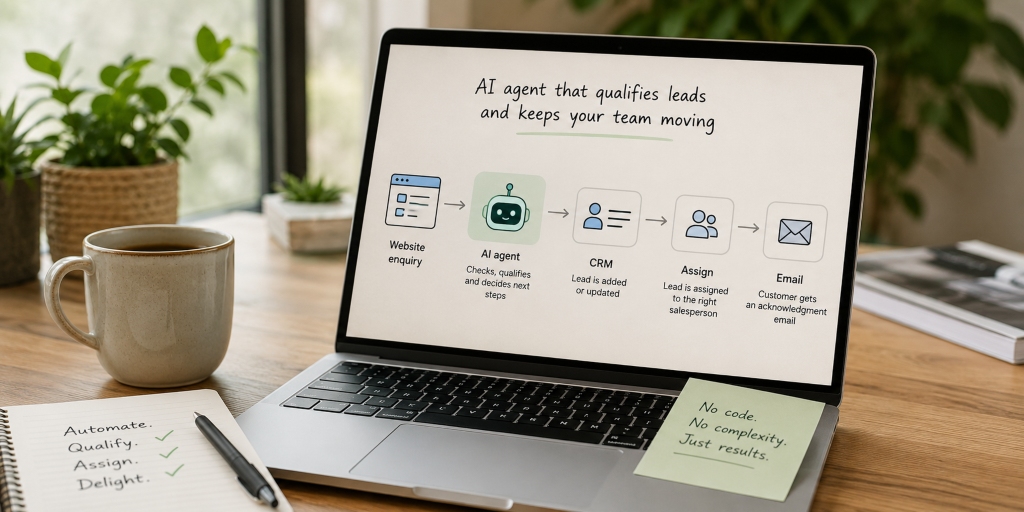
This is business process automation in action. Work moves forward without manual reminders or repeated follow ups.
Workflow automation that saves hours every week
Automation is often seen as complex or expensive. In reality, small workflows can save the most time.
Think about:
Sending a welcome email when a lead signs up
Creating a task when a deal moves stages
Notifying finance when a sale closes
With tools like
Zoho Flow or built-in automation inside
Zoho One, these steps happen automatically. This reduces manual work and human error. It also helps teams operate efficiently as the business grows.
Many SMBs run events, webinars, or workshops. These are often managed using spreadsheets, emails, and multiple tools.
Registrations
Attendee communication
Feedback and follow ups
When this connects with CRM, every attendee becomes part of your customer journey. There is no manual data entry or missed follow up. For businesses that rely on community events or customer sessions, this is a simple but powerful upgrade.
Notes and documentation that stay connected
Important details often live in personal notebooks or random files. Over time, this knowledge gets lost.
This helps teams retain knowledge and onboard new staff faster. It also reduces dependency on individuals remembering everything.
Analytics that turn data into action
Small businesses generate data every day—sales numbers, support requests, marketing results—but most aren't able to effectively use this information in a strategic way.
Analytics tools like
Zoho Analytics bring this data together into simple dashboards.
This helps business owners:
When analytics connects with CRM, finance, and operations, leaders get a full view of the business, not just one part.
All-in-one business software becomes essential at scale
Using separate tools for each function might seem flexible at first. Over time, it becomes costly and hard to manage. Multiple logins, separate bills, and poor integration slow teams down.
All-in-one business software suites like Zoho One bring these tools together on a single platform. This means:
Built-in business software integration
Consistent data across apps
Lower overall cost compared to buying tools separately
For ANZ SMBs, this is a practical way to scale without complexity.
Moving beyond CRM with confidence
Small businesses no longer need enterprise level budgets to run integrated systems. Modern business automation software makes this accessible. The key is to look beyond CRM and think about the full workflow: Communication, tasks, automation, analytics, and customer engagement all matter.
When these tools work together, businesses move faster, teams stay aligned, and customers get better experiences. As 2026 approaches, the question is no longer whether small businesses need integrated tools. It is whether they can afford to work without them.