Why digital growth fails when your tools don’t work together
- Last Updated : March 9, 2026
- 216 Views
- 4 Min Read


Many small and medium businesses believe they are growing digitally because they use modern software. They have a CRM to manage leads, accounting software to track finances, and separate tools for marketing, support, and projects. On paper, everything looks organised and up to date.
But inside the business, work often feels harder than it should. Teams spend time chasing information, switching between tools, and fixing errors. Customers wait longer for responses, reports take hours to put together, and growth feels busy, not smooth.
This is not a problem with effort or ambition. It is a problem with how systems work together. Digital growth today depends less on the number of tools you use and more on business software integration.
Using software does not mean your business is connected
Most SMBs in Australia and New Zealand already rely on several digital tools to run their day-to-day work. Email, accounting, CRM, marketing platforms, and customer support systems are all part of the mix. Each tool does its job well on its own.
The challenge begins when these systems operate in silos. Customer data sits in different places. Sales updates do not reach finance on time. Support teams lack context when responding to queries. As a result, staff manually move information between systems to keep things running.
This manual effort creates delays and increases the risk of errors. Over time, it becomes a quiet barrier to growth.
Digital tools are not the same as digital maturity
There is a big difference between using digital tools and running a digitally mature business. Digital maturity means your systems share data, your workflows are connected, and your teams work from the same source of truth.
In a mature setup, information flows automatically from one stage to the next. A new enquiry becomes a lead. A closed deal triggers an invoice. A support ticket shows the full customer history. These steps happen without constant follow-ups or manual checks.
If your team still relies on spreadsheets, emails, and repeated data entry, the business may be digital, but the processes are not.
Growth exposes what is broken
When a business is small, disconnected systems feel manageable. Manual work fills the gaps. People remember details and step in where needed. As the business grows, this approach stops working.
More leads mean more follow-ups. More customers mean more support requests. More transactions mean more reporting. If systems do not talk to each other, the workload increases faster than the business can handle. This is why many growing SMBs feel stretched even when revenue is rising. Growth does not cause the problem. It reveals it.
When people act as the integration layer
In many SMBs, staff act as the bridge between tools. They export reports, update records, and send internal emails to keep everyone aligned. This works for a while, but it does not scale. People forget steps. Information gets missed. Processes change when someone leaves or moves roles. The business becomes dependent on individuals instead of systems.
This is where business process automation plays a critical role. Automation removes repetitive tasks and ensures work flows consistently, regardless of who is involved.
To learn more about business process automation, read our article on business process management here.
Integration is no longer just for big companies
In the past, integration was expensive and complex. Large enterprises could afford it. Small businesses could not. That gap no longer exists.
Today, all-in-one business software makes integration accessible to SMBs without the need for heavy IT investment. Systems can connect out of the box. Workflows can be automated without coding. Data can move freely across teams. Integration has shifted from being a “nice to have” to a basic requirement for sustainable growth.
The real cost of disconnected systems
Disconnected tools create costs that are easy to overlook. Staff lose hours to manual work. Errors creep into data. Opportunities get missed because teams lack visibility. Customers feel the impact through delays and inconsistent experiences.
These costs do not always show up clearly on a balance sheet, but they affect productivity, margins, and trust. Businesses that invest in business automation software recover this lost time and redirect it towards growth.
What effective integration looks like
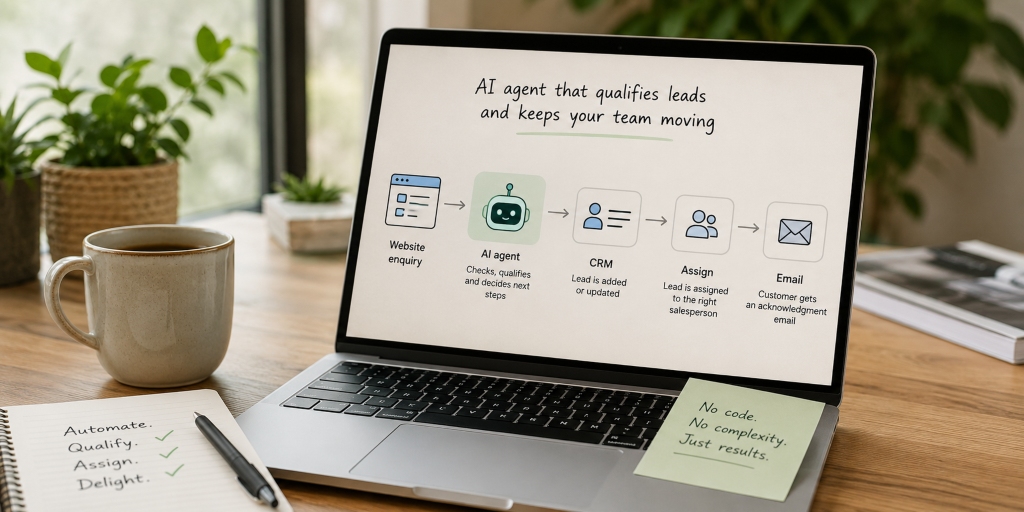
When systems are integrated, work feels simpler. Leads flow from your website into your CRM. Sales activity updates finance automatically. Support teams see customer history in one place. Reports pull live data without manual effort.
This creates clarity across the business. Decisions are faster. Teams stay aligned. Customers receive consistent and timely service. This is the foundation of healthy digital growth.
Where all-in-one platforms fit
Rather than connecting multiple third-party tools, many SMBs now choose platforms designed to work together from the start. All-in-one business software brings core business functions onto a single platform, reducing complexity and improving visibility.
Zoho One is one such platform. It combines sales, marketing, finance, HR, operations, and support applications into one connected system. Data flows across apps automatically, and teams work with shared information in real time. For SMBs, this means less admin, fewer gaps, and more control as the business grows.
Digital growth is about flow, not tools
The biggest shift for small businesses is changing how they think about growth. Adding more tools does not solve operational problems. Improving how work flows does.
When systems support processes, growth feels manageable. Teams spend less time on administrative tasks and more time on customers, strategy, and improvement. That is what digital growth should deliver.
Final thought
Digital growth fails when tools do not work together. Integration fixes that. For SMBs in Australia and New Zealand, business software integration is no longer optional. It is how businesses save time, scale with confidence, and deliver better customer experiences.
With modern business automation software and all-in-one business software like Zoho One, integration is no longer out of reach. It is something small businesses can start today, and benefit from every day after.