Email marketing for the education industry made easy
Effortlessly send personalized, timely, and engaging emails to students, parents, educators, staff, alumni, and potential applicants all year long with Zoho Campaigns.




Why use email marketing for the education industry?
There are a variety of stakeholders connected to every educational institution, and it's crucial to send them timely emails with relevant information. Email is a great tool to do so—less expensive than physical channels like noticeboards and flyers, and easier to track than SMS and WhatsApp.
Whether it's pre-school or PhD, online learning or in-person classes, potential applicants or alumni, or staff or parents, email communication is an effective way for education institutions to convey essential information and maintain a formal line of communication.
Our customers love us



Improved email communications for accelerated outcomes: See how Zoho Campaigns can help
Bulk email automation
Educational institutions have no shortage of administrative tasks, and it's tiring to send emails for every announcement manually. Zoho Campaigns helps you create email lists and send emails in bulk to multiple recipients through email automation.

Data privacy and security
Zoho Campaigns makes it easy to comply with data privacy and protection regulations, and protects confidential student information through access controls for data.

Personalized engagement
From aspirants to alumni, everyone wants to feel visible and included. Personalize even mass communications to improve engagement and increase enrollment.
Performance tracking
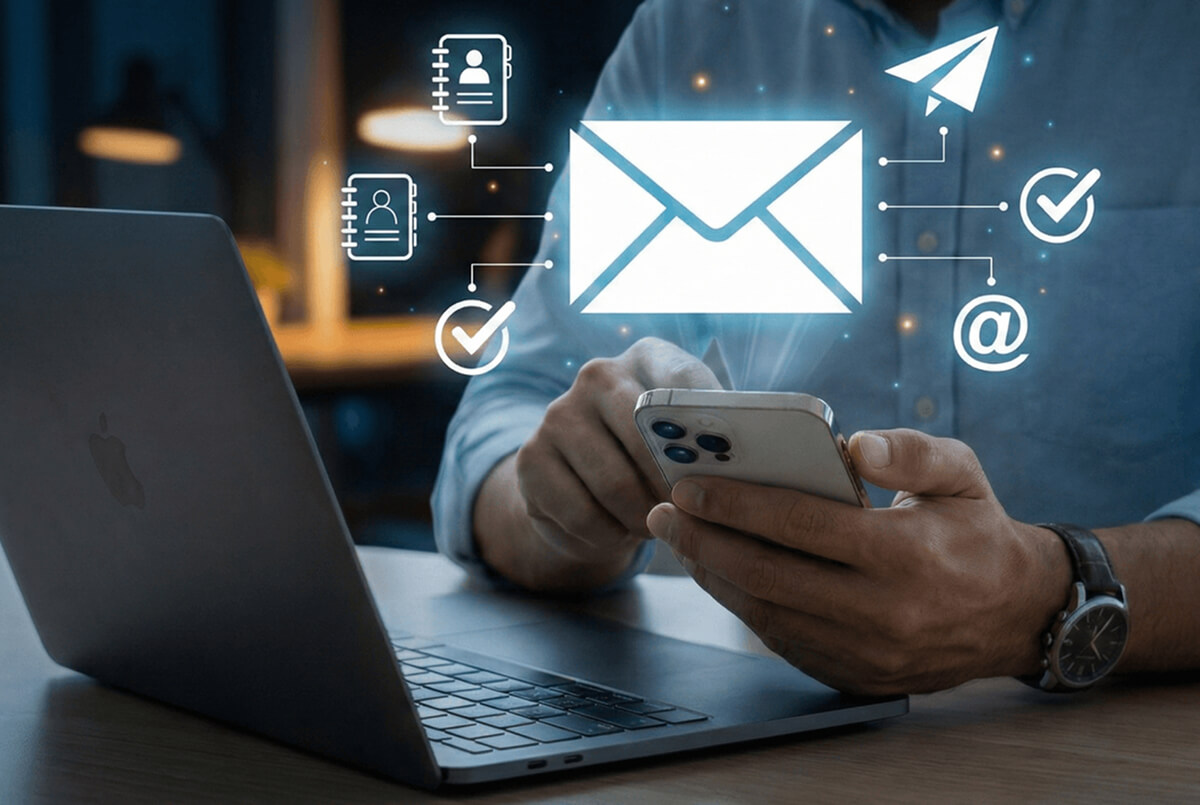
You send countless emails, but do you know if your recipients read them? Keep an eye on how your emails are performing and send them at the times they're most likely to be read.

Continued relationships
Feedback on classes, courses, or educators, essential information for parents, campus newsletters, invites for alumni meet... There are so many ways you can use emails to communicate effectively and maintain long-lasting relationships as an educator, institution, or administrator.

Zoho Campaigns meets the education industry
$36
ROI for every $1 spent on email marketing
37.2%
average open rate for institutions
0.1%
average unsubscribe rate
"Our main target audience is educators. We also provide free worksheets for grade eight to 12 students. Initially, we depended on Microsoft Word templates and Excel sheet data. However, as our contact list expanded, this approach became impractical. We really liked Zoho Campaigns for its features and the value for the money we are paying. Earlier, it took almost four days to reach around 5,000 recipients. Now we reach out to over 11,000 contacts, with open and click rates over 25%."

Integrations
As an educational institution, you'll be using different software for academic, administrative, and operational functions. You can integrate your Zoho Campaigns account with other Zoho apps like Zoho CRM, Zoho Meeting, and Zoho Survey, as well as external CRMs, LMSs, and other essential apps.
LEARN MORE




Make email campaigns a breeze
Switch to Zoho Campaigns easily
Clean up your mailing lists.
It's crucial to remove inactive or invalid contacts and qualify active contacts before you migrate. Use a list cleaning service to remove invalid addresses and spam traps that affect your sender reputation. Pick your most engaged contacts and add them to a separate list you can use later.
Export data and set up your domain.
Export your contacts in .CSV or .XLS file formats, reports in .XLS format, and email templates as HTML files. You can continue using your old sender domain to maintain consistency or start using a new sender domain if your old one has trouble with mailbox providers and anti-spam services.
Authenticate your domain and start emailing.
We'll help you implement domain authentication mechanisms like SPF, DKIM, and DMARC to protect your domain and ensure your emails land in inboxes instead of spam folders. Create your email campaigns and start sending them after warming up your domain.
Choose the right email marketing platform for your educational institution
Frequently asked questions
If you want to have engaged email subscribers for school or college recruitment, it's important to build your email list organically and ethically.
- Optimize your website with prominent signup forms, brochures, and other useful lead magnets.
- Collect email addresses ethically through online and offline admission recruitment drives.
- Run targeted social media advertisement campaigns with messaging personalized for different audience groups.
- Ensure your promotional materials discuss aspects like cutting-edge infrastructure, renowned faculty, innovative programs, vibrant campus life, scholarships, and a strong alumni-network.
In every educational institution, students tend to be diverse. To ensure personalized communication with every student, you can segment your students via the following criteria:
Local versus international students: The kind of support students from your own country or nationality require is likely different from the support international students who have come to study from a different country or even continent need. Make sure you provide personalized guidance based on this support requirement.
Remote versus in-person learning: Many schools and colleges offer some form of remote learning. Segment your students based on this criteria to send appropriate updates regarding courses.
Major- or department-based messages: You can send course progress updates, program-specific announcements, and career opportunity notices to students based on their majors or specialization subjects.
Activities, clubs, services: Share invitations to events and updates related to students' extracurricular activities.
Student stage: Split prospects, current students, and alumni into segments so you can share emails according to their stage in the journey.
You can automate alumni engagement with Zoho Campaigns by setting up workflows for different campaigns. Segment them based on academic history, automatically trigger birthday greetings, send reunion reminders or fundraiser announcements, invite them to networking-related events, and run alumni-spotlight corners in monthly newsletters.
Use merge tags to personalize the content, optimize the design for different devices, and provide clear opt-out options. Continuously track the performance of different campaigns, do A/B tests on content and emailing frequencies, and keep refining the workflows to maintain high engagement with alumni.
- Use responsive design with flexible email templates that work on big and small screens, as your students may read the emails on any device.
- Avoid creating large content pieces which are hard to read, and instead split them into smaller content blocks with large CTA buttons for visibility and better engagement.
- Provide sufficient spacing between elements to reduce clutter and retain focus on your messaging.
- Compress images, add alt text, and use the appropriate dimensions suitable for students' mobile screens.
- Finally, test different options and see what resonates with your students. Continue monitoring performance and optimize your emails accordingly.
Open rate: Your open rate indicates the percentage of recipients who actually open the emails you send. A good open rate means that your emails are helpful and resonating with your recipients.
Open rate = (Number of email opens / Number of contacts who received the email) × 100
Bounce rate: Your bounce rate measures the number of emails that go undelivered. Sometimes emails don't reach intended recipients' inboxes for a variety of reasons, such as email addresses being incorrect or invalid, recipients blocking senders, or recipients' inboxes being full.
Bounce rate = (Number of emails delivered / Total number of emails sent) × 100
Click-through rate: Your click-through rate indicates what percentage of students have actually clicked on something after opening the email. In other words, it tells you how well your emails are achieving what they set out to do.
Click-through rate = (Number of clicks / Number of impressions) × 100
To increase course enrollment through email marketing, follow these steps:
- Build a strong, organic email list of potential students through advertisements, events, contests, application invites, recruitment drives, and scholarship announcements.
- Segment your contacts based on their programs of interest, academic levels, and application stages.
- Send a welcome email introducing your institution, listing all your programs, and showcasing successful alumni.
- Then send personalized emails tailored to their programs of interest and share more about program details, faculty expertise, and career prospects.
- Send emails about program-specific workshops, webinars, meet-and-greets with faculty, scholarships, and Q&A sessions with alumni.
- Finally, send application deadline reminders and be sure to include clear, singular CTAs that drive students toward enrolling or applying in every email.