- HOME
- Work Culture
- From collaboration to compliance: Why data privacy matters in the modern workspace
From collaboration to compliance: Why data privacy matters in the modern workspace
- Last Updated : February 23, 2026
- 319 Views
- 6 Min Read

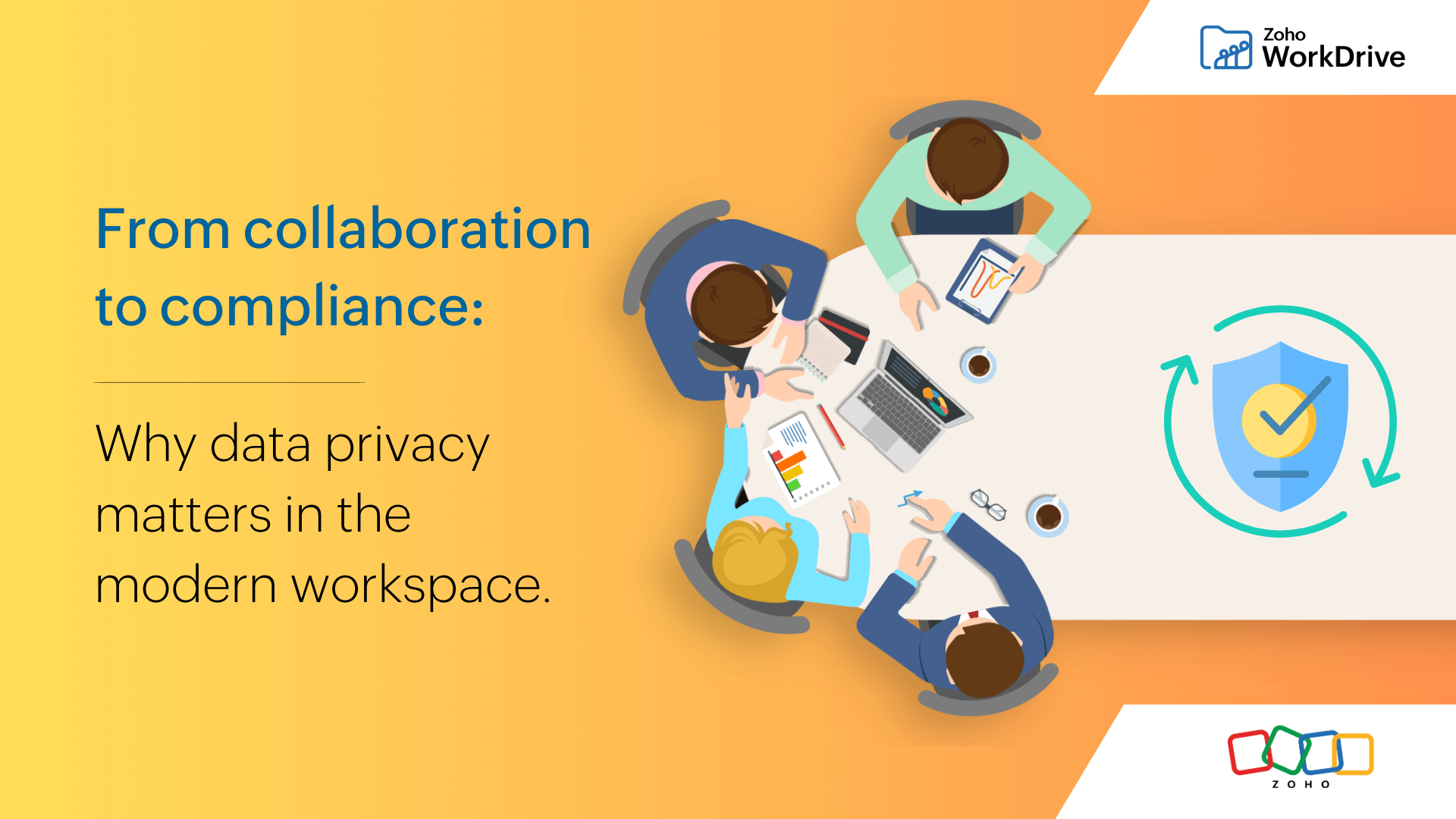
Collaboration in the modern workspace has become a strategic driver of productivity, innovation, and business growth. As organizations operate across functions, geographies, and time zones, digital collaboration has become central to how work gets done. In fact, 75% of employers say teamwork and collaboration are essential for organizational success.
But as collaboration expands, so does exposure to data risks. Hybrid and remote operating models have significantly increased the volume of files shared across teams, vendors, and clients. Without structured data governance, collaboration can quickly become a liability. This is where compliance, regulations, and data protection frameworks become critical for secure and scalable collaboration.
What is data privacy in the modern workspace?
Data privacy refers to the responsible handling, protection, and governance of personal and sensitive employee or customer information. It ensures individuals retain control over how their data is collected, stored, shared, and used.
In the modern workspace, it is built on:
Transparency in data usage.
Role-based access controls.
User consent mechanisms.
Encryption and secure storage.
Continuous monitoring and audit ability.
In simple terms, data privacy is not just about protection and is about enabling trust in collaborative environments.
How has it shifted from the traditional to the modern workspace?
From location dependent to cloud-based collaboration: Traditional collaboration was physical and office-bound. Teams relied on in-person meetings, printed documents, and local servers. Access to information was restricted by physical proximity.
Today, 87% of businesses use cloud-based collaboration platforms to enable real-time file sharing across locations. Collaboration is location-agnostic, enabling teams to work across cities and countries without barriers.
From sequential workflows to real-time collaboration: Earlier, documents moved sequentially through email chains, creating multiple versions and delays. Now, teams collaborate simultaneously. This enables real-time editing, shared workspaces, and automated version control while providing structured access control and preventing unauthorized edits or leaks.
From siloed communication to integrated ecosystems: Most departments in an organization operate independently with fragmented communication systems. Modern workspace collaboration has tools that integrate with chat, project management, CRM, and document management platforms into a unified ecosystem. Information flows faster across teams and external stakeholders, making governance frameworks essential.
From physical security to structured data governance: Previously, data protection relied on locked cabinets and on-premise servers. Modern collaboration is supported by role-based access controls, encryption (in transit and at rest), audit trails and activity logs, and data loss prevention policies.
From hierarchical to agile and cross-functional: Collaboration often followed hierarchy. Decisions moved up and down management layers. However, now, teams are more agile and cross-functional. Marketing teams work with product, IT works with compliance, and external stakeholders collaborate directly within shared digital spaces.
There are several factors that drove this shift. This isn't just about tools but about the mindset. Digital transformation, cloud computing adoption, and globalized workforce, are some of the factors that contribute to growing compliance and data protection regulations in workspaces.
Why regulations and compliance enable collaboration
Compliance is often misunderstood as restrictive. In reality, it is what allows organizations to collaborate confidently both internally and externally. Industry regulations such as GDPR, HIPAA, ISO 27001, and SOC 2 create standardized safeguards that protect sensitive data while enabling controlled access.
When compliance is embedded into cloud solutions, organizations can:
Share files with external vendors securely.
Maintain audit readiness.
Reduce legal and reputational risks.
Scale operations across borders.
Industry use cases: Where collaboration meets compliance
No matter what the industry is, data privacy is important. Here are some use cases across industries and how important data privacy is for each of them.
Legal firms: Maintaining client confidentiality in collaborative workflows

Legal teams often handle contracts, affidavits, evidence files, IP documents, and client communications, often across multiple stakeholders. In a typical user workflow, once a client is onboarded, lawyers draft the documents which are then shared internally with senior partners for review. Multiple internal and external stakeholders interact with sensitive case files.
Why does data privacy matter?
Client-attorney confidentiality is foundational to legal practice. A single data leak can compromise cases, breach ethical obligations, and damage trust.
Data privacy is critical to:
Restrict access based on roles and case involvement.
Secure sharing with time-bound or permission-based access.
Maintain audit trails for compliance and dispute resolution.
Prevent accidental exposure of sensitive client information.
In legal workflows, privacy isn’t just compliance, it’s a professional responsibility. Zoho WorkDrive provides legal teams with a secure digital workspace with ISO 27001 and SOC 2 compliance, GDPR, encryption in transit and at rest, two-factor authentication, and disaster recovery mechanisms. This ensures legal teams collaborate without compromising confidentiality.
Manufacturing: Protecting intellectual property across the production lifecycle

Manufacturing teams collaborate across engineering, procurement, production, and third-party vendors. Sensitive design files and compliance documentation move across multiple stakeholders.
Why does data privacy matter?
Manufacturing data is deeply tied to intellectual property (IP) and competitive advantage. Unauthorized access or accidental sharing of design files can lead to IP theft, counterfeiting, or regulatory risks.
Secure collaboration enables:
Authorized access to sensitive designs.
Activity tracking for audit purposes.
Lifecycle-based data management.
Without privacy controls embedded into collaboration workflows, speed and innovation come at the cost of security. WorkDrive enables manufacturers to build a centralized repository with ISO 27001 and SOC-2 compliance, granular access controls, version history tracking, audit logs, and monitoring. This protects proprietary data while supporting cross-functional workflows.
Healthcare: Safeguarding patient data while enabling care collaboration
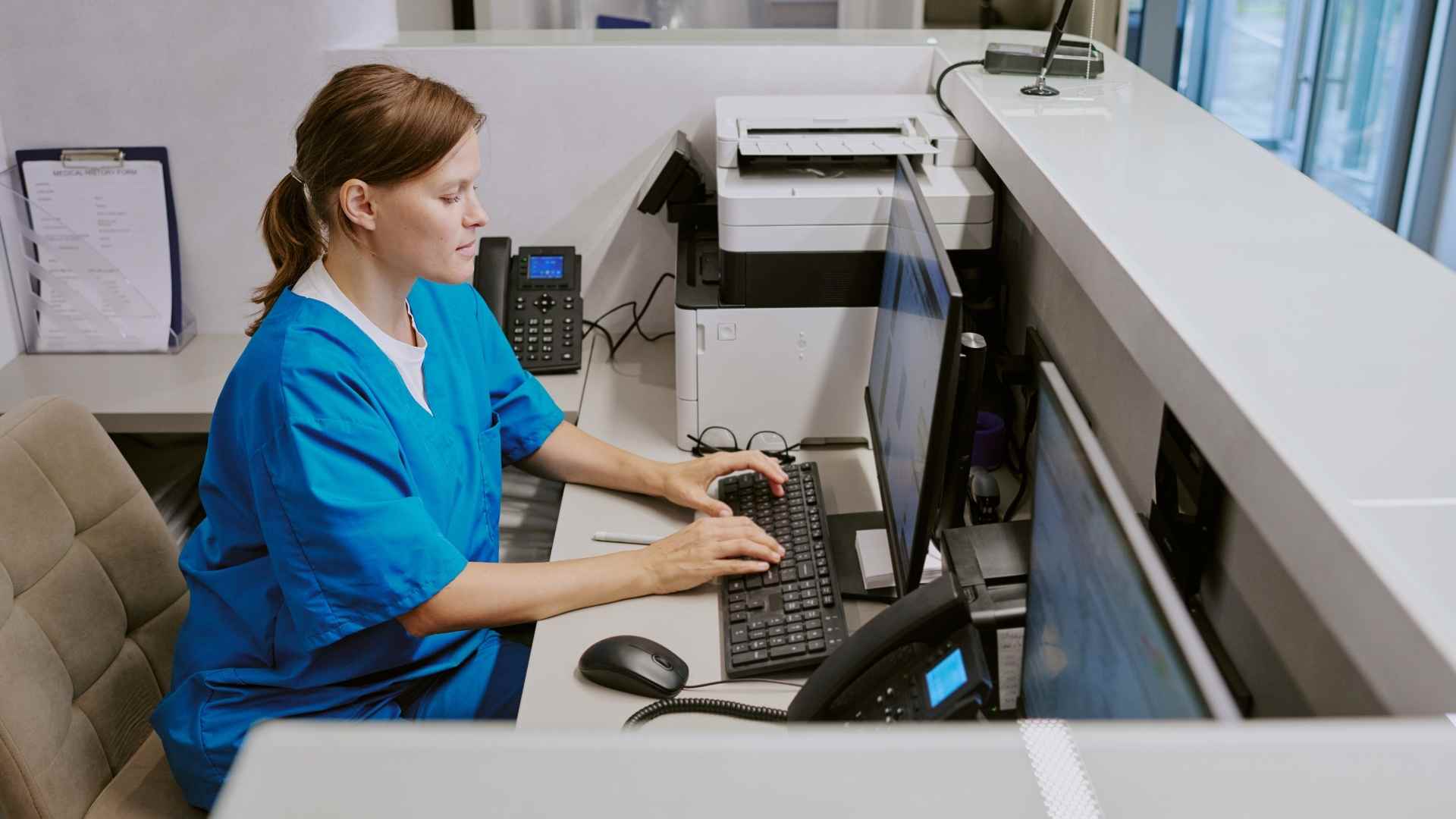
There are multiple workflows involved in the patient-hospital journey. Healthcare collaboration involves administrators, doctors, nurses, labs, and insurance providers handling sensitive patient records.
Why does data privacy matter?
Healthcare data includes personally identifiable information (PII) and protected health information (PHI), making it one of the most sensitive data categories. Unauthorized access can result in regulatory penalties and loss of patient trust.
Strong privacy controls ensure:
Patient data is accessed strictly on a need-to-know basis.
Compliance with regulations like HIPAA and data protection laws.
Secure collaboration across departments for continuous monitoring.
In healthcare, privacy directly impacts patient safety, trust, and regulatory compliance. With WorkDrive, healthcare providers can streamline data flow, reduce waiting time, and provide coordinated care. WorkDrive adheres to ISO 27001 and SOC-2 standards. It provides secure cloud infrastructure, monitors activity, logs audits trails, and encrypts data at storage and transmission.
Real estate: Securing transactions and client information

Real estate workflows involve property documents, identity proofs, financial records, contracts, and legal approvals. The typical user flow involves agents sharing property details internally, clients submit personal and financial documents, legal teams review contracts and agreements, and the final documents are stored post-transaction.
Why does data privacy matter?
Real estate transactions involve high-value assets and sensitive personal data. Any breach can lead to financial fraud, legal disputes, or loss of customer trust.
Privacy safeguards help:
Protect buyer and seller personal information.
Control access during different transaction stages.
Maintain secure records even after deal closure.
Data privacy ensures collaboration doesn’t compromise client confidence during critical financial decisions. WorkDrive provides solutions for real estate agents, brokers, and admins to share files securely, streamline workflows, maintain audit visibility, and help teams stay organized, agile, and on track.
IT: Enabling secure collaboration in agile and distributed teams

The user flow in the IT sector, starts from planning to development, testing, deployment, and maintenance. IT teams collaborate continuously on source code, technical documentation, credentials, and infrastructure files. Developers share and update files rapidly, QA teams access builds and documentation, operations teams manage deployment assets, and distributed teams collaborate across locations.
Why does data privacy matter?
IT environments are dynamic and vulnerable to accidental leaks or insider threats such as misuse of sensitive data like credentials, internal architecture details, or customer data.
Privacy-first collaboration enables:
Controlled access to sensitive technical assets
Secure collaboration and continuous monitoring of data
Compliance with internal security policies and industry standards
For IT teams, privacy ensures speed and agility prevents the threat of security liabilities. Zoho WorkDrive supports IT teams by centralizing digital assets, providing granular access controls, maintaining version history, and supporting business continuity.
Wrapping up
Collaboration in the modern workspace is no longer bound by time, location, or business function. As the work continues to evolve, collaboration will only become more distributed, data-driven, and AI-powered. However, without structured data governance, this expansion introduces significant risk. Compliance is what makes scalable collaboration possible.
When privacy is built into everyday user flows, organizations can move from simply being compliant to collaborating with confidence. They build environments where teams can innovate, share, and grow with confidence. The way forward for enterprises looking to collaborate securely is clear: adopt robust cloud platforms that integrate security, compliance, and governance into their everyday workflow. Secure, compliant collaboration is no longer a back-end IT concern, it is a strategic enabler for enterprises to scale responsibly and stay ahead in an increasingly digital world.