- HOME
- Work Culture
- The psychology of file hoarding: Why no one deletes anything
The psychology of file hoarding: Why no one deletes anything
- Last Updated : January 29, 2026
- 549 Views
- 4 Min Read

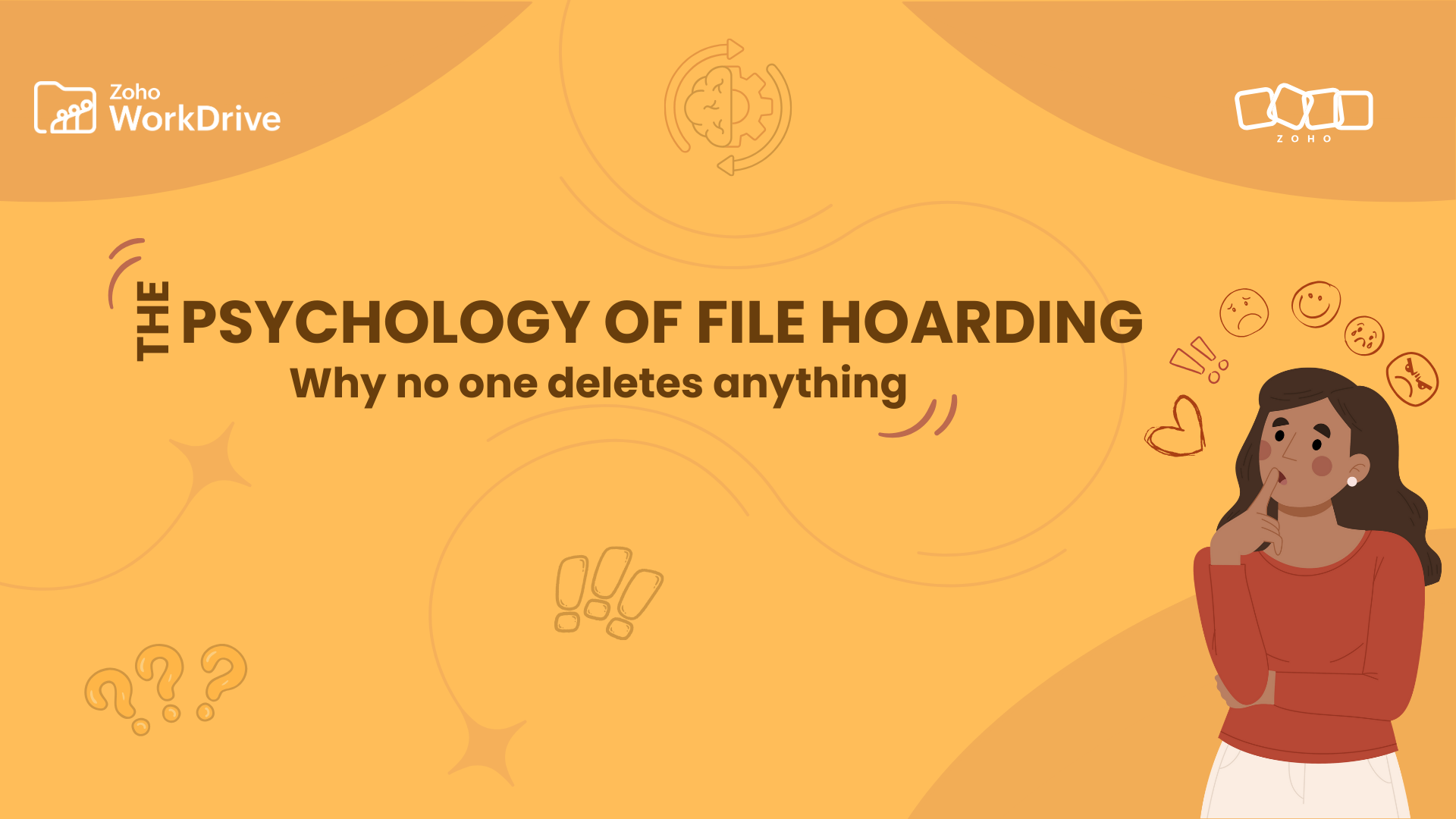
As I enter 2026, I found myself reflecting on my habit of holding on and wondering what drives this practice. Is it about preserving moments, memories, and time, or is there something deeper at play?
Building on this reflection, I asked colleagues and friends for their views and found their answers interesting but varied greatly. There were specific stories, like being raised by a police officer who helped instill a strong sense of discipline and structure. And there were common themes, like mothers who saved every extra bag and takeaway container to prepare for a vaguely defined potential emergency that never seems to happen.
Moments like these reassured me that I’m not alone in struggling with these habits, but when I shared this topic with my mother, she simply called everything I own pure hoarding. I debated but had to accept her verdict because who can win a debate with their mother? If you can do so, please let’s be friends.
Many of us create more space to house extra stuff and name everything a memory (guilty), but when unused items pile up and start gathering dust, it becomes obvious there’s a thin line differentiating keeping memories from hoarding.

Old files become exhibits in our digital museums
In the digital era, all our devices and cloud storage are filled with files in different versions, photos, emails, and apps, especially duplicates that are often hidden.
Open any team’s shared folder, and you will find the same types of files, like artifacts from ancient projects on display, in a digital museum exhibit:
- Final.pptx
- Final_final.pptx
- Final_final_revised_just-in-case.pptx
- Final_final_THISONE_v7
It begins innocently. A single place to store a file for later use. Then one day you search for a doc you saved last month, and you find five versions, three screenshots, two PDFs with the same name, and a mysterious file called Final_final_THISONE_v7 (marketers and designers assemble).
Why deleting feels harder than saving: The psychology
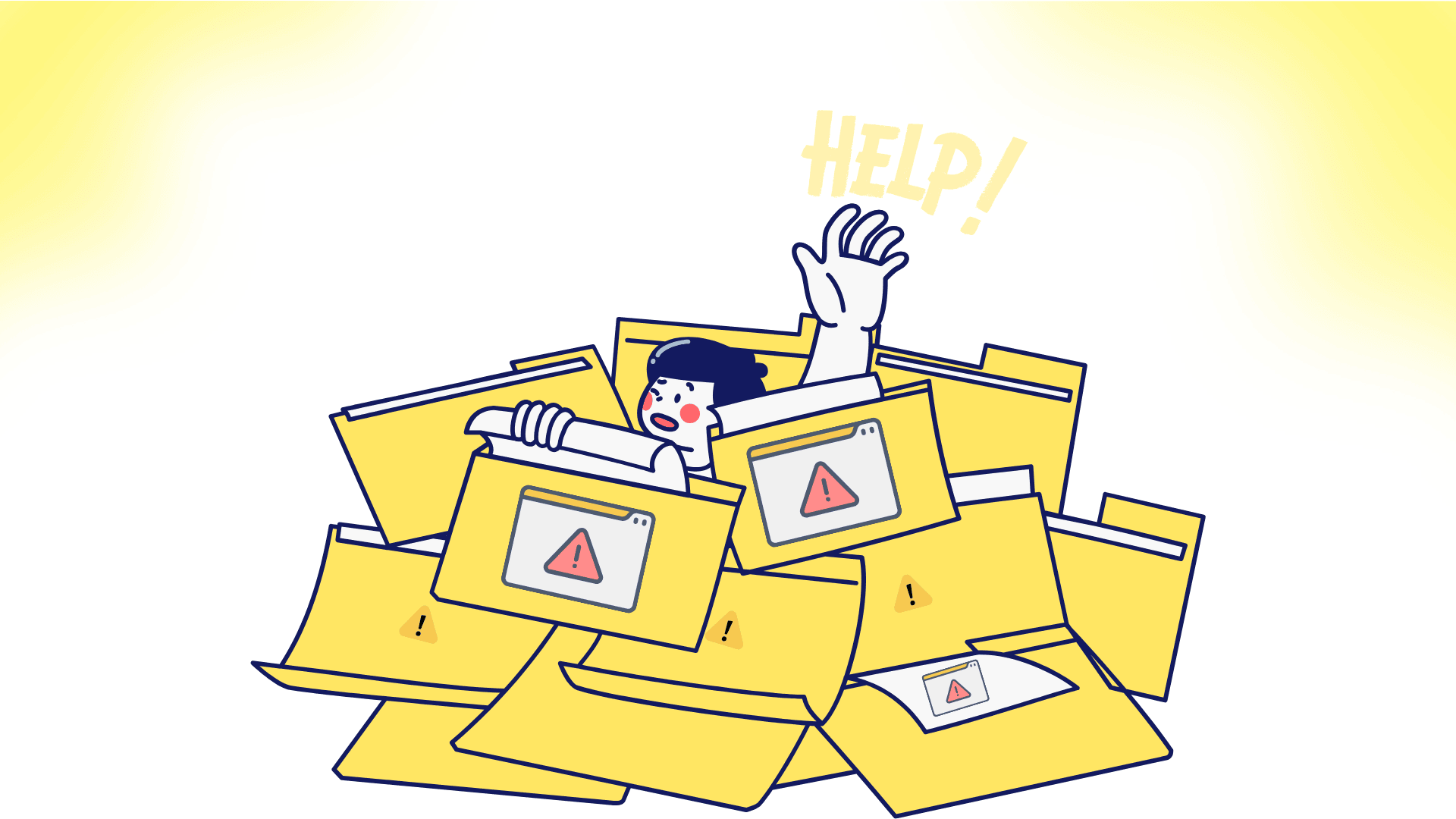
We don’t see the value in organizing or deleting files because we assume we might need them later. However, over time, digital clutter can lead to slower performance, increased storage costs, and even stress when searching for specific files.
Nobody plans to become a “file hoarder”. It just sort of happens. One download here. One screenshot there. A few “I’ll sort it later” moments. And boom, one day you search for a doc you created last week and somehow spend 12 minutes arguing with your own folder structure.
File hoarding is not a storage problem. It’s a brain problem. Once you understand the psychology behind it, you can fix it with less guilt. Let’s see few of the top instincts that lead to hoarding below.
Loss aversion and FOMO
If you have ever thought, "What if I need this later," you have met loss aversion or fear of missing out (FOMO). In simple terms, the feeling of "losing" a file outweighs the relief of decluttering. Your brain treats deletion like a risk or loss, even when the file is clearly junk.
The endowment effect
There is also a weird ownership bias. Once something is yours, you value it more. A file you create, edit, or save starts to feel like part of your work identity. Deleting it can feel like deleting proof that you did the work.
Unfinished intentions
The majority of file clutter comprises unfinished intentions masquerading as assets:
Drafts
Reference links
Screenshots of slides you might use
Notes that could become a doc
Classic psychology talks about unfinished tasks sticking in the mind—but it's not as if leaving old files will give you an advantage in remembering important work. Instead, saving files becomes an easy way to feel like you haven't dropped the ball. But unfinished work can keep tugging at you, dragging your focus away from current projects.
The second brain
When you expect information will be available later, you remember less of the information itself and more about where to find it (researchers have explored Google's effects on memory). Saving becomes a way to lower anxiety by saying: "I saved it, so I won’t forget it." Except saving without organizing just moves the anxiety onto future-you.
Why work culture makes it worse
In a workplace, hoarding justifies itself as a "rational" self-defense move. People fear blame. They fear missing context. They fear someone asking: where’s the email, where’s the doc, where’s the proof you were working.
Individuals with data protection responsibilities tend to accumulate and retain more digital files. It is not just personality. It is incentives. Reports indicate that knowledge workers spend a significant portion of their week managing information:
28% reading and responding to emails
19% searching for and gathering information
That is not a small tax. That is a second job.
Workplace research into digital hoarding highlights cybersecurity and data protection implications, especially when people retain more data than required. The cost of which shows up in three ways:
Slower work because retrieval becomes hard
More stress because everything feels important
More risk because forgotten files, still exist
How to build a healthier "delete" habit
Addressing digital hoarding starts with awareness—taking small, manageable steps to clean up and organize digital spaces.
The rule | How it works |
Make it reversible | Use versioning and recovery windows. When you trust you can restore, you delete faster. |
Shared homes | Replace personal piles with shared spaces. Decide what belongs to the team and keep teamwork in team spaces. |
The three buckets | Active (used this week), Reference (supports decisions), or Expired (everything else). |
Cleanup ritual | Ten minutes every Friday. Clear downloads, merge duplicates, and delete the files you saved out of guilt. |
Where Zoho WorkDrive fits in, quietly
File hoarding thrives in chaos. It shrinks when your workplace has one reliable source of truth. A system like Zoho WorkDrive helps because it nudges teams toward that trust:
A shared home for enhanced collaboration and superior teamwork
Advanced AI-powered search that actually finds things with one click, so saving duplicates feels unnecessary
Version history and recovery, so deletion stops feeling like jumping off a cliff
Admin controls that help teams keep what matters and let the rest fade out naturally
Once people feel confident they can find, restore, and explain their work, they stop treating every file like a potential lifesaver. That is the real win. Less clutter, less anxiety, and a calmer work culture.