- HOME
- Internal Communications
- Why employee communication needs more conversations and less broadcasting
Why employee communication needs more conversations and less broadcasting
- Last Updated : June 16, 2026
- 137 Views
- 4 Min Read

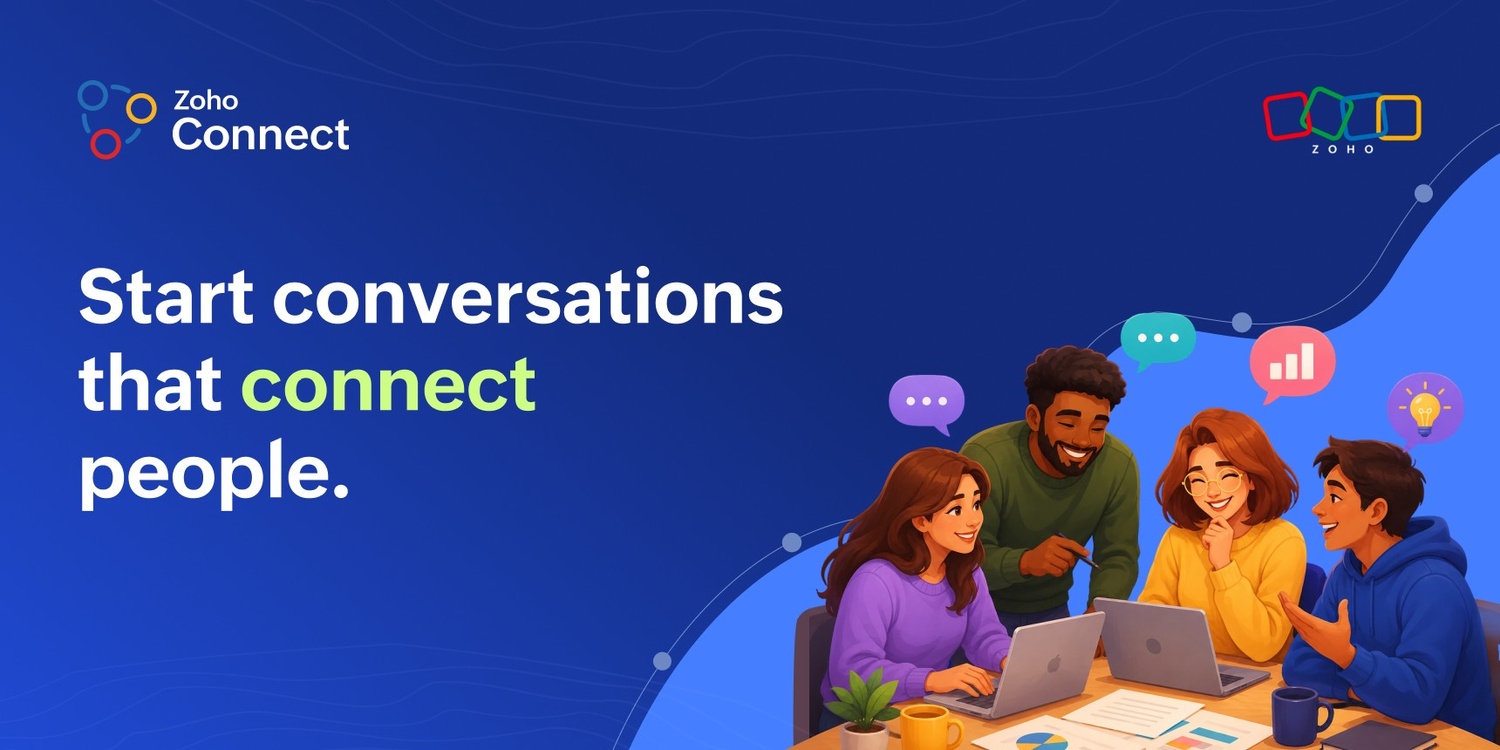
For decades, employee communication followed a simple formula: Leadership shared information, and employees received it. Announcements were sent through emails. Updates were posted on notice boards. News traveled from the top down, with little opportunity for employees to respond, ask questions, or participate in the conversation.
But today's workplace looks quite different.
Employees are no longer passive recipients of information. They want to be heard, involved, and connected. They expect communication to be as interactive and engaging as the digital experiences they encounter every day. As organizations adapt to changing workplace dynamics, employee communication is undergoing a major transformation: from one-way broadcasts to meaningful conversations.
Why traditional communication no longer works
Most organizations have no shortage of communication channels. Emails, newsletters, meetings, chats, and announcements flood employees every day.
Yet despite the volume of communication, many employees still feel disconnected.
The reason is simple: Communication isn't the same as connection.
When information flows only in one direction, employees often feel excluded from decision-making and disconnected from organizational goals. Messages may be delivered, but engagement remains low. In modern workplaces, employees want more than updates. They want opportunities to contribute, ask questions, share ideas, and collaborate with others. This shift is pushing organizations to rethink how they communicate.
The rise of two-way communication
The most successful organizations today understand that communication should be a dialogue, not a monologue. Instead of simply broadcasting information, they're creating spaces where employees can actively participate in discussions.
Two-way communication helps organizations:
Build trust and transparency.
Improve employee engagement.
Encourage knowledge sharing.
Gather valuable feedback.
Strengthen workplace culture.
Create a sense of belonging.
When employees feel heard, they're more likely to stay engaged, contribute ideas, and feel connected to the organization's mission. Communication becomes more than information sharing; it becomes relationship building.
Employees want a voice
The modern workforce expects openness and accessibility. Employees want leaders who communicate transparently and are willing to listen. They want opportunities to ask questions and receive direct responses. They want to participate in conversations that affect their work and workplace experience.
This is especially important in distributed and hybrid work environments, where informal office interactions are limited. Without opportunities for dialogue, employees can quickly feel isolated. Organizations that encourage conversations create stronger connections between employees, managers, and leadership teams. The result is a workplace where people feel informed, valued, and included.
Technology is driving the shift
The transition from broadcast communication to conversation has been accelerated by modern workplace technology. Today's internal communication platforms like Zoho Connect go far beyond sending announcements.
They enable employees to:
Comment on updates.
React to posts.
Participate in discussions.
Share feedback.
Join groups based on interests and projects.
Interact directly with leadership.
These features transform communication from a static activity into an ongoing exchange of ideas. Instead of waiting for annual surveys or quarterly meetings, organizations can gather real-time feedback and understand employee sentiment continuously. This creates a more responsive and connected workplace.
Leadership communication is evolving, too
Leadership communication has traditionally focused on delivering updates.
Today, employees expect something more. They want authentic conversations.
Leaders who actively engage with employees build greater trust and credibility. Rather than simply announcing decisions, they explain the reasoning behind them, invite questions, and encourage discussion.
Interactive communication formats such as Ask Me Anything (AMA) sessions, live town halls, polls, and Q&A forums are becoming increasingly popular because they create direct connections between leadership and employees. These conversations help break down barriers and make leadership more approachable. When employees feel comfortable sharing their thoughts, organizations gain valuable insights that can drive better decisions.
Building a culture of participation
Moving from broadcasts to conversations isn't just about adopting new tools. It's about creating a culture where participation is encouraged. Employees should feel confident that their voices matter.
Organizations can foster this culture by:
Encouraging open discussions.
Creating safe spaces for feedback.
Celebrating knowledge sharing.
Promoting cross-functional collaboration.
Acting on employee input.
The key is consistency.
Employees quickly recognize whether feedback is genuinely valued or simply collected and ignored. When organizations listen and respond, trust grows. And when trust grows, engagement follows.
The benefits of conversational communication
Organizations that embrace conversational communication often see significant improvements across multiple areas.
Higher engagement: Employees become active participants rather than passive observers.
Better collaboration: Ideas and knowledge flow more freely across departments and teams.
Faster problem solving: Open discussions help identify challenges and solutions more quickly.
Stronger culture: Meaningful interactions help create a sense of belonging and community.
Improved employee experience: Employees feel heard, valued, and connected to the organization.
Ultimately, conversational communication creates workplaces where people don't just receive information; they actively contribute to it.
The future of employee communication
The future of employee communication isn't about sending more messages.
It's about creating more meaningful interactions. As workplaces continue to evolve, organizations must move beyond traditional communication models and focus on building connections.
Employees expect transparency, accessibility, and opportunities to participate. Organizations that meet these expectations will be better positioned to engage their workforce, strengthen culture, and drive business success.
The shift from broadcast to conversation isn't just a communication trend; it's a fundamental change in how organizations connect with their people.
Turning conversations into connections with Zoho Connect
Creating a culture of conversation requires the right platform. This is where Zoho Connect helps organizations bring communication, collaboration, and engagement together in one place. Instead of relying on disconnected tools and one-way announcements, Zoho Connect helps organizations create an interactive digital workplace where employees can share ideas, participate in discussions, react to updates, and stay connected.
Features like company-wide posts, communities, live town halls, polls, surveys, AMAs, and discussion forums make it easy to transform communication into meaningful conversations. Leaders can engage directly with employees, gather feedback in real time, and create a more transparent workplace. Employees can contribute their perspectives, collaborate with colleagues, and feel like active participants in the organization. Because when communication becomes a conversation, employees don't just stay informed; they stay connected. And that's exactly what modern workplaces need.
Ready to move beyond one-way communication? Discover how Zoho Connect can help you create a workplace where conversations drive engagement, collaboration, and stronger employee connections.