- HOME
- More
- Employee Experience
- 10 employee retention strategies that work in 2026
10 employee retention strategies that work in 2026
- Last Updated : February 5, 2026
- 494 Views
- 6 Min Read

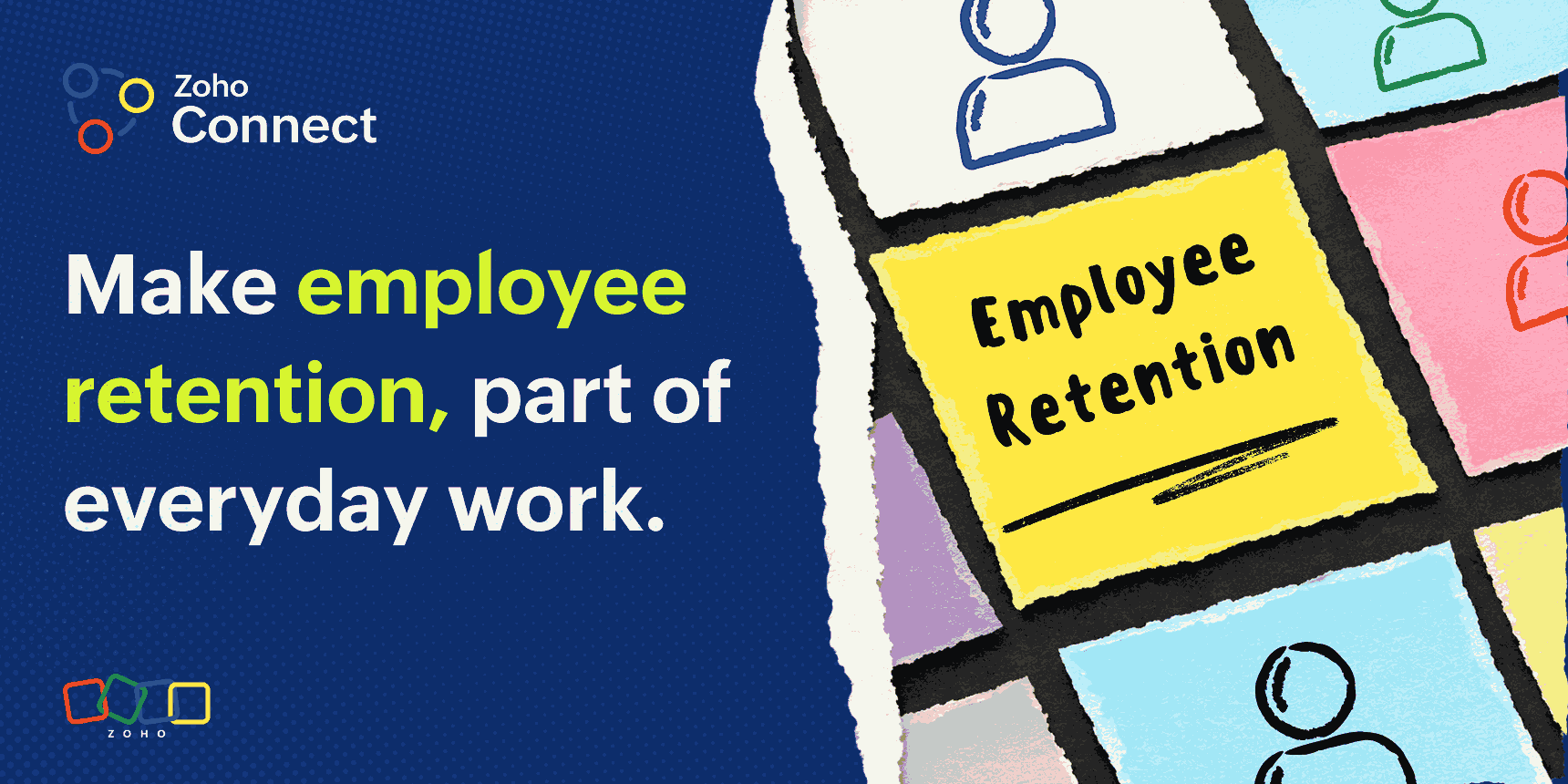
In 2026, employee retention is no longer just an HR metric; it's a business priority that directly affects productivity, customer experience, employer brand, and long‑term growth. When people leave, organizations lose talent, knowledge, relationships, and momentum.
At the same time, employees today expect more than just a stable paycheck. They want meaningful work, growth opportunities, flexibility, and a workplace where they feel heard and valued. If these expectations aren't met, switching jobs becomes an easy decision.
This is where strong people practices and modern intranet platforms like Zoho Connect come together. While strategies shape the culture, the right digital workplace tools help bring those strategies to life every day through better communication, collaboration, recognition, and feedback.
Why employee retention matters more than ever
High turnover is expensive. Hiring, onboarding, and training new employees takes time and money. But the bigger cost is often hidden: project delays, lower morale, loss of customer trust, and extra pressure on remaining employees.
Frequent exits also affect culture. When people see a lot of colleagues leaving, it creates uncertainty and reduces confidence in leadership. Over time, this can turn into disengagement, where employees do only what is required and nothing more.
On the other hand, organizations with strong retention benefit from stable knowledge, stronger collaboration, and higher overall performance. People who stay longer understand systems, customers, and processes better, which improves work quality.
In 2026, with skills changing rapidly and competition for talent staying high, keeping good people is not just easier than replacing them—it's smarter.
1. Build a culture where people truly feel valued
Culture is not about posters on the wall or slogans on websites; it's about how people are treated every day.
When employees feel respected and appreciated, they're more likely to stay motivated and committed. Recognition plays a big role here. It doesn't have to be expensive or formal. Simple appreciation messages, peer recognition, and small celebrations help people feel noticed.
Using platforms like Zoho Connect, organizations can make recognition more visible through appreciation posts, shout‑outs, and company‑wide celebrations. When recognition becomes part of daily communication, it strengthens positive behavior and boosts morale.
Feeling valued also means feeling heard. Regular feedback polls, open discussions, and leadership listening sessions help employees share their thoughts. But listening alone is not enough; acting on feedback is what builds real trust.
2. Provide clear growth and career development paths
One of the biggest reasons employees leave is not knowing what comes next in their career.
People want to grow, learn, and take on new challenges. When they feel stuck, they start looking elsewhere. In 2026, learning should be continuous, practical, and easy to access.
Organizations can support growth through short training programs, mentoring, cross‑functional projects, and knowledge‑sharing communities. Zoho Connect allows organizations to create dedicated spaces where employees can share learning resources, ask questions, and learn from peers.
Regular career conversations between managers and employees are equally important. These discussions help align individual goals with business needs and show that the organization is invested in long‑term development, not just short‑term output.
3. Support work‑life balance to prevent burnout
Burnout is one of the strongest drivers of turnover. Long hours, constant pressure, and unclear expectations can quickly lead to exhaustion and disengagement.
In 2026, work‑life balance is a basic expectation, not a benefit. Flexible work hours, hybrid or remote options, and realistic deadlines help employees manage both personal and professional responsibilities.
Leaders also need to set the tone. When managers respect boundaries and encourage time off, employees feel more comfortable doing the same.
Wellness programs, mental health support, and stress management sessions should be communicated clearly and regularly. Internal platforms help keep these conversations visible and normalize discussions around well‑being.
4. Invest in better leadership and manager skills
Employees may join organizations, but they often leave because of poor manager relationships.
Managers play a major role in daily work experience. Good managers build trust, give clear guidance, and support personal growth. Poor managers create stress, confusion, and disengagement.
Training managers in communication, empathy, feedback, and conflict resolution is critical for retention. Regular one‑on‑one meetings also help managers understand challenges early and provide timely support.
Modern intranet platforms like Connect help leaders stay visible and connected through updates, Q&A sessions, and transparent communication. When leadership is accessible, employees feel more confident and aligned.
5. Strengthen connection and sense of belonging
With hybrid and remote work becoming common, employees may feel isolated if connection isn't intentionally built.
Belonging is a strong emotional reason people stay with organizations. When employees feel part of a community, they're more likely to remain loyal and engaged.
Interest groups, hobby spaces, location‑based groups, and project spaces help people connect beyond work tasks. Zoho Connect makes it easy to build spaces where employees can interact, collaborate, and share experiences.
Inclusion also plays an important role. Everyone should feel respected and safe to be themselves at work. Inclusive communication and equal participation opportunities help strengthen commitment across the organization.
6. Improve everyday worker experience with the right technology
The tools employees use daily shape their overall work experience.
Outdated systems, scattered communication, and heavy email dependence can increase frustration and slow down work. This directly affects engagement and satisfaction.
A modern intranet platform like Zoho Connect brings communication, collaboration, recognition, learning, and updates into one place. Zoho Connect reduces information overload by organizing conversations and making updates easy to find.
When work becomes smoother and more connected, employees spend less time struggling with systems and more time focusing on meaningful work.
7. Offer fair, transparent, and meaningful rewards
Compensation still matters. Employees expect fair pay that reflects their roles, skills, and contributions.
Transparency around performance reviews, promotions, and pay structures helps build trust. When employees understand how decisions are made, they feel more confident in staying.
Beyond salary, benefits like wellness programs, flexible leave, learning budgets, and family support also influence long‑term retention.
Recognition programs supported by internal platforms reinforce positive behavior and make appreciation visible across the organization.
8. Encourage participation and employee voice
Employees want to feel involved, not just informed. When people are invited to share ideas, solve problems, and contribute to improvements, they feel more connected to outcomes. This builds ownership and accountability.
Discussion forums, idea boards, and feedback channels allow employees to participate actively. Platforms like Zoho Connect make collaboration open and accessible, encouraging more voices to be heard.
Seeing ideas turn into real actions increases trust and motivates employees to stay and contribute more.
9. Help employees find meaning in their work
Purpose is a strong motivator, especially for younger professionals.
Employees want to know that their work matters and contributes to something bigger. Clear communication about company goals, customer impact, and social responsibility helps create that connection.
Leaders can use internal platforms like Connect to share success stories, milestones, and real examples of how work is making a difference. When people see the results of their efforts, engagement naturally increases.
10. Make onboarding the first step of retention
Retention begins much earlier than most organizations realize: on the very first day.
A strong onboarding experience helps new hires feel confident, welcomed, and prepared. Without proper guidance, early frustration can quickly lead to disengagement.
Structured onboarding programs with clear expectations, training resources, and introductions to key groups help new employees settle in faster. Using Zoho Connect during onboarding allows new hires to access updates, ask questions, and connect with colleagues easily.
When the first experience is positive, long‑term engagement becomes much easier to build.
How Zoho Connect supports retention in 2026
Modern retention strategies need modern digital support. Zoho Connect acts as a central space where culture, communication, and collaboration come together.
It helps organizations:
Share company updates and leadership communication clearly
Recognize and celebrate achievements publicly
Create interest‑based spaces for collaboration
Support learning and knowledge sharing
Gather feedback and understand employee sentiment
By keeping everyone connected and informed, Zoho Connect supports engagement daily—not just during major events or campaigns.
Final thoughts
Employee retention in 2026 depends on everyday experiences like clear communication, regular recognition, easy collaboration, and strong connections with leadership.
To support this consistently, organizations need a digital workplace that keeps everyone informed, involved, and appreciated.
That’s where Zoho Connect helps. It brings updates, recognition, leadership conversations, interest‑based spaces, and feedback into one simple platform, helping turn retention efforts into daily action.
Explore Zoho Connect to create a more engaged, connected, and committed workforce in 2026 and beyond.