- HOME
- More
- Employee Experience
- The importance of digital accessibility in the workplace
The importance of digital accessibility in the workplace
- Last Updated : December 23, 2025
- 531 Views
- 4 Min Read

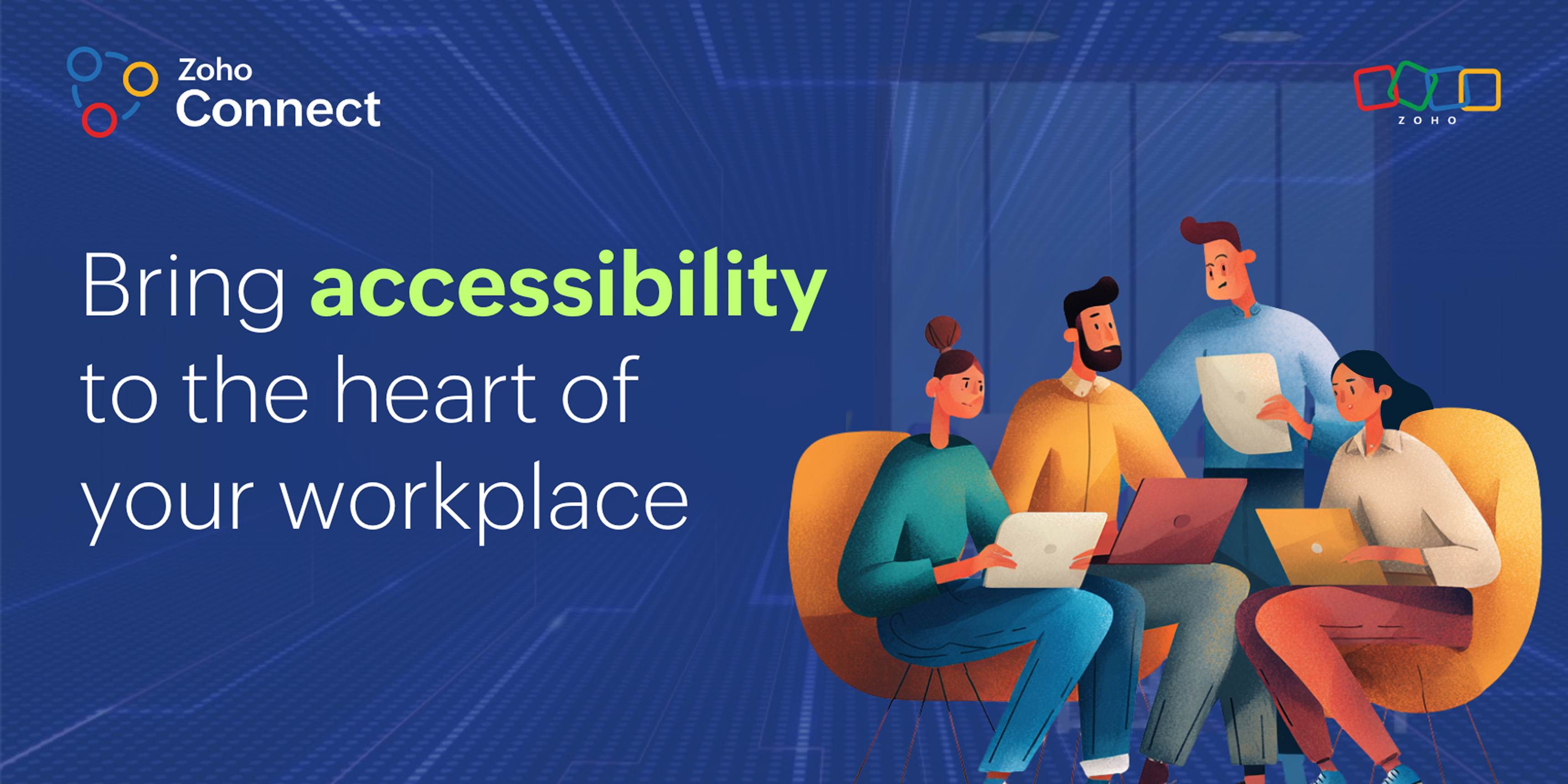
A workplace is truly inclusive only when everyone can participate, contribute, and feel supported—no matter their abilities, location, or background. Today, with so much of our work happening online, digital accessibility is no longer optional. It’s essential.
Digital accessibility ensures that every employee can access information, collaborate with colleagues, and use workplace tools without barriers. And when organizations make accessibility a priority, productivity rises, communication improves, and people feel valued.
Why digital accessibility matters
1. It levels the playing field.
Employees work differently. Some need screen readers. Some depend on captions. Others prefer simplified layouts or translated content. Accessible digital tools ensure that every person can stay informed, join conversations, and contribute equally. In a connected workplace, accessibility becomes the foundation for fairness and opportunity.
2. It strengthens internal communication.
When information is accessible, communication flows without friction. Clear text, easy navigation, image descriptions, and multilingual support help everyone stay on the same page. With platforms like Zoho Connect, employees have a space where updates, resources, conversations, and events are accessible to all, making communication more human and more inclusive.
3. It boosts productivity and collaboration.
When employees don’t have to struggle to access content, they can focus on their work. Simple accessibility features like readable fonts, assistive technology support, translation options, and organized layouts help people connect faster and complete tasks more confidently.
4. It supports diverse and global workplaces.
Modern workplaces aren’t bound by geography. Employees come from different regions, speak different languages, and have unique communication needs.
Features like built-in translation inside Zoho Connect help everyone understand updates instantly and feel included in conversations, no matter where they’re logging in from.
5. It creates a culture of belonging.
Accessibility isn’t just about technology. It’s about building a culture where people feel seen and supported. When organizations invest in accessible platforms like Zoho Connect, they’re sending a clear message: Everyone belongs here. Everyone’s voice matters.
How accessibility shapes a better digital workplace
When accessibility becomes part of workplace communication, it leads to noticeable changes in how people interact and work.
1. Clear and inclusive communication
Accessible platforms like Connect encourage simple, readable, and inclusive communication. Features like clean layouts, readable text sizes, and assistive technology compatibility make company updates easier to consume, especially during busy days.
2. More engaged employees
When people can fully participate, engagement naturally increases. Employees start conversations, share ideas, respond to updates, and contribute more actively to discussions. This leads to richer collaboration and a more vibrant workplace environment.
3. Stronger leadership communication
Accessibility also improves how leaders connect with the organization. Whether through Town Halls, broadcast messages, or shared posts, accessible communication ensures that every employee receives and understands important updates without any exceptions.
4. Better knowledge-sharing
An accessible digital hub makes information easy to search, read, and revisit. This is especially useful for onboarding, training, and ongoing learning. Employees can access documents, discussions, and resources without barriers, helping them do their best work.
How Zoho Connect supports digital accessibility
Zoho Connect is built with inclusivity at its core. It brings people together on one platform and ensures that communication remains open, accessible, and human. Here are a few ways Connect supports a more accessible workplace.
1. Clean and simple interface
Connect offers an organized layout that’s easy to navigate. Whether employees are viewing posts, reading announcements, or browsing groups, the experience remains smooth and clear.
2. Translation for multilingual workplaces
Language should never be a barrier. With Connect’s built-in translation, employees can read posts and announcements in the language they’re most comfortable with, making communication smoother in diverse organizations.
3. Accessible content creation
With rich formatting tools, headings, bullets, and clear layout options, Connect encourages creators to write readable, well-organized posts that are easier for everyone to follow.
4. Inclusive engagement tools
Reactions, comments, polls, and live interactions create multiple ways for employees to engage, making participation easy for everyone.
5. Seamless mobile access
Accessibility extends beyond devices. With Connect’s responsive mobile app, employees can stay connected and informed no matter where they are or what device they use.
Simple ways organizations can improve digital accessibility
Creating an accessible workplace doesn’t require large-scale changes. Small, thoughtful adjustments can significantly improve how people communicate and absorb information. Here are a few practical steps to get started.
1. Keep communication simple.
Use straightforward language, shorter sentences, and well-structured paragraphs. The simpler the message, the easier it is for everyone to engage with it.
2. Use headings and bullets to organize information.
Structured content helps employees skim quickly, find what they need, and understand messages at a glance.
3. Add clear descriptions to visuals.
Images, charts, and graphics become more meaningful when paired with brief explanations that describe their purpose.
4. Choose readable fonts and good contrast.
Readable typography and clear spacing help messages stand out and reduce visual strain.
5. Make videos easy to consume.
Offering captions, summaries, or highlights helps employees absorb key information even when they’re in noisy environments or on the move.
6. Create device-friendly content.
Ensure that posts, documents, and announcements work smoothly on desktops, laptops, and mobile screens. This makes communication flexible and accessible anywhere.
7. Encourage thoughtful posting habits.
A little awareness goes a long way. Encourage employees to write clearly, format posts neatly, and share resources in accessible formats. Over time, these habits create a more inclusive communication culture.
8. Use platforms that prioritize accessibility.
Choosing tools like Zoho Connect ensures accessibility is built into the foundation of workplace communication rather than added as an afterthought.
A more inclusive future at work
Digital accessibility isn’t just a technical requirement; it’s a mindset. It’s the belief that workplaces should work for everyone, not just a few. When organizations embrace accessibility, they create a culture where people feel appreciated, informed, and empowered.
Zoho Connect helps you create that experience. With its intuitive design, multilingual support, and engagement-friendly features, it brings clarity and accessibility to everyday communication.
If you’re ready to build a digital workplace where everyone stays informed, included, and engaged, sign up for Zoho Connect and create an accessible workplace that works for everyone.