Team communication in 2026: What’s changing, what’s fading, and what’s next

We’re already in 2026, and there’s a lot happening. New releases, updated roadmaps, closed tasks—everything is moving quickly. In the middle of all this momentum, we wanted to pause for a moment and share changes we’re seeing around team communication, and how they might shape the year ahead.
This isn’t a long listicle. Instead, this article highlights four key trends we believe are important and will continue to play a role throughout 2026.
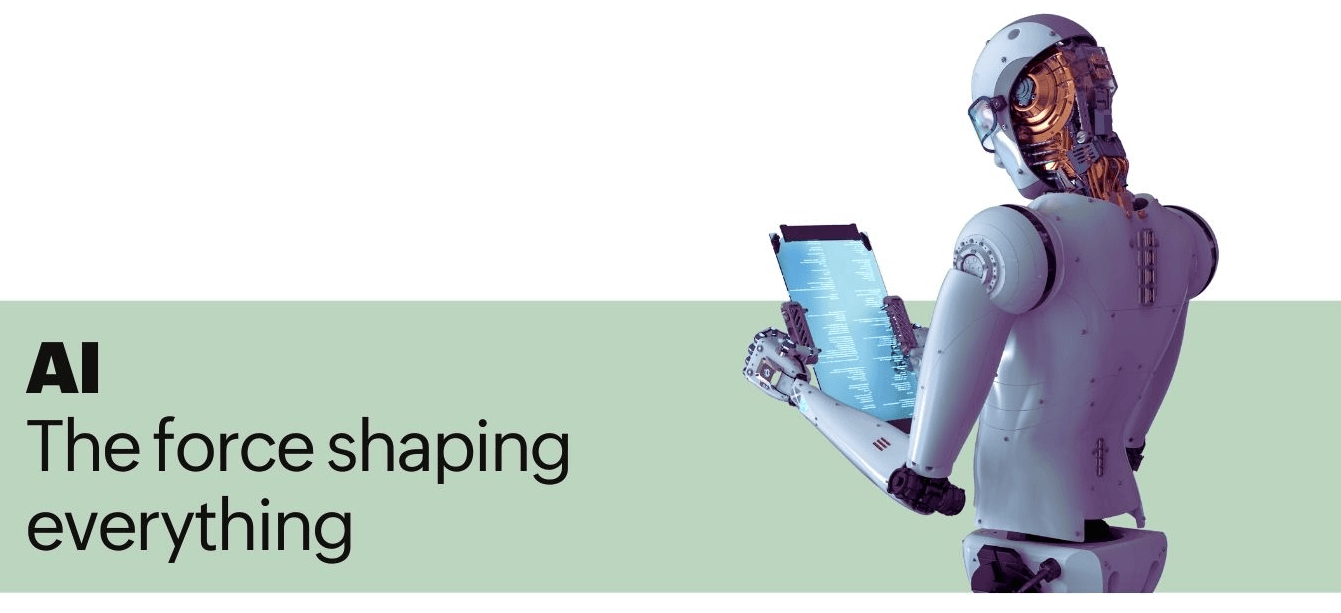
AI: The force shaping everything
Let's start with the elephant in the room! AI is no longer just a tool for chat summaries, query responses, and basic content generation. When speaking to analysts and customers, we've come to understand that communication platforms with autonomous, context-aware AI embedded into businesses workflows are set to dominate the market.
But with this change comes governance and security implications. The risk increases when a platform relies only on third-party AI integrations. This means that teams have to make conscious choices based on their privacy and compliance needs.
Zoho Cliq's native AI, Zia, is built right into the Zoho ecosystem, which eliminates these security concerns. We also understand the need for flexibility, so you have the option to choose between Zia and third-party AI providers based on what works best for your workflows.
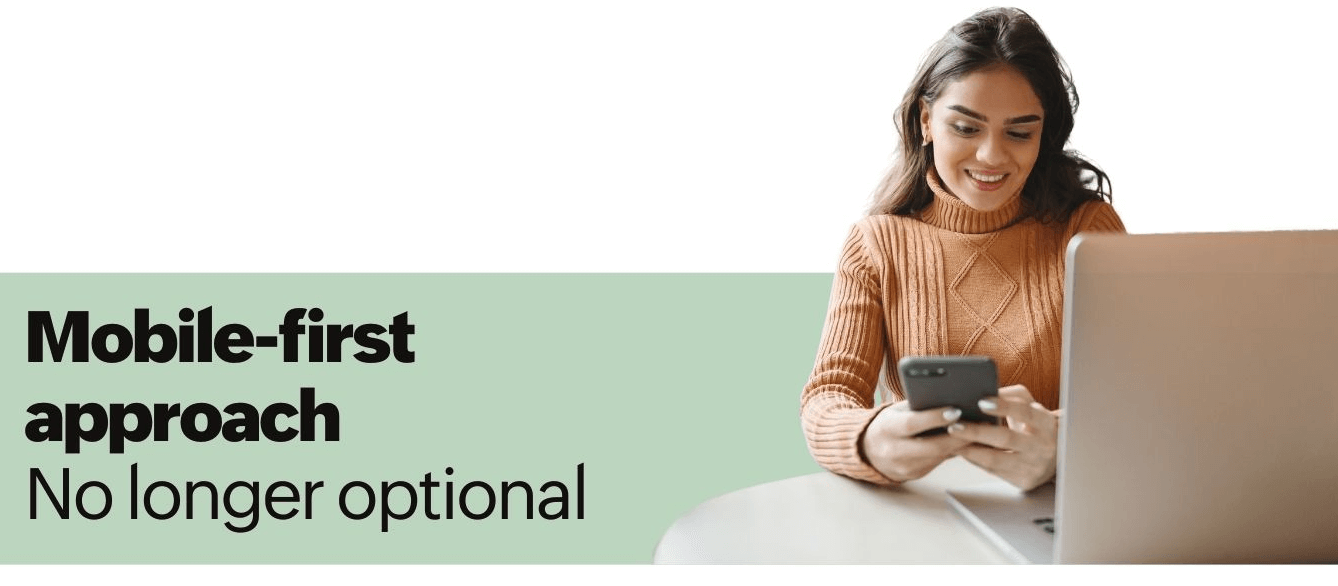
Mobile-first approach: No longer optional
Most communication platforms focus on developing web apps before slowly moving on to mobile apps. But that can't be the case anymore. We see a lot of our customers and potential prospects looking for a mobile-first platform, which highlights their need for work flexibility.
For instance, frontline workers, irrespective of the sector, rely on mobile apps rather than the web. When they don't have the same level of functionality available on their mobile devices, that directly impacts the purchase decision.
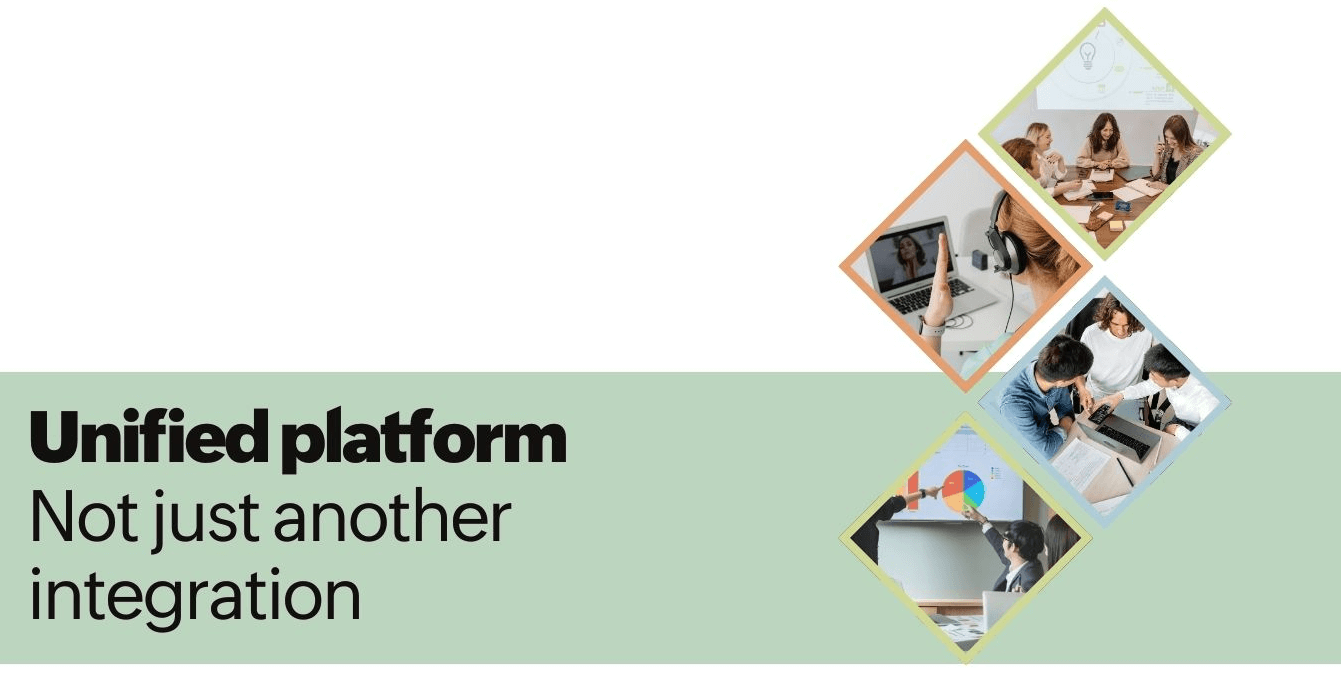
Unified platform: Not just another integration
We see most communication platforms promoting themselves as unified platforms that eliminate context switching and bring everything together.
But in reality, most of these platforms just support third-party add-ons, which actually leads to more context switching.
Apart from third-party integrations or plugins, businesses look for a connected ecosystem with native functionalities that truly offers every aspect—like project management, contact center management, and customer handling—in one place.
For example, imagine discussing a customer issue in a channel. You start a voice call right therein the communication platform, convert that conversation into a task, and track its progress without ever leaving the app. That's the kind of unification teams expect today.

Visibility over presence: A quiet shift
For a long time, being “online” was treated as a signal of productivity. Green dots, quick replies, and long hours spent in chats often became a proxy for work getting done. In 2026, that mindset is starting to crack.
Teams care less about constant availability and more about visible progress. Clear updates, shared context, and documented decisions matter more than being present in every conversation. This shift is especially noticeable in distributed and hybrid teams, where work happens across time zones and schedules.
When communication platforms make progress easy to see (i.e, who owns what, what’s moving, and what’s blocked), teams don’t need frequent check-ins to stay aligned. Trust shifts from presence to outcomes. And that changes how teams communicate, collaborate, and even measure productivity.
These are just the four trends we wanted to spotlight—there's still a lot left to explore as this space continues to evolve. We would love to hear your thoughts as well. What changes or trends are you seeing around team communication?
Share your views in the comments. We read, listen to, and care about what you have to say!

Comments