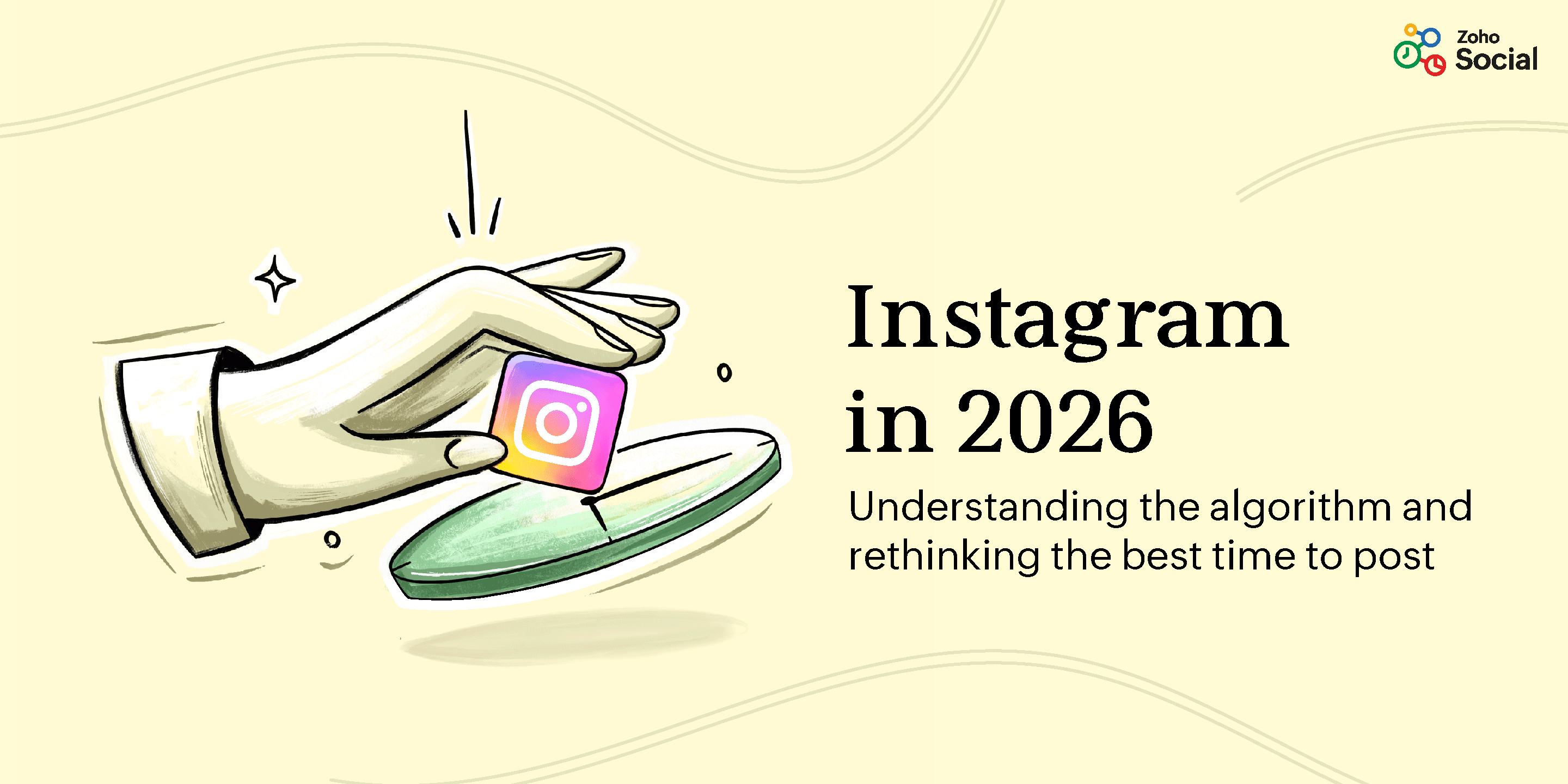
Instagram in 2026: Understanding the algorithm and rethinking the best time to post
- Last Updated : February 18, 2026
- 943 Views
- 3 Min Read
Instagram has spent the last few years quietly reshaping how content is discovered, ranked, and distributed. By 2026, one thing is clear: the platform is no longer rewarding volume, virality hacks, or rigid posting schedules. Instead, it favours relevance, consistency, and meaningful engagement.
In this piece, we’re stepping back from tactics and templates to look at Instagram the way the platform itself does today—as an interest-driven recommendation engine. The goal is not to “game” the algorithm, but to work with it.
The Instagram algorithm in 2026: A strategic shift
At its core, the Instagram algorithm in 2026 is designed to answer one question:
What content is most valuable to this person right now?
There is no single algorithm anymore. Feed, Reels, Explore, and Stories each rely on different ranking systems, but they are unified by a few shared principles.
1. From social graph to interest graph
Reach is no longer limited by who follows you. Discovery increasingly happens beyond your existing audience, based on:
Past viewing and engagement behaviour
Content topics and formats users repeatedly interact with
Signals of sustained interest, not one-off actions
What this means: Niche clarity now matters more than follower size. Brands that consistently show up for a specific interest area are rewarded with repeat discovery.
2. Engagement depth matters more than engagement volume
In 2026, Instagram looks beyond likes. The strongest signals are actions that indicate intent:
Saves
Shares (especially via DMs)
Profile visits after content consumption
Repeat interactions with similar content
Watch time still matters, particularly for Reels—but only when it leads to deeper engagement.
Strategic takeaway: Create content people want to return to, not just scroll past.
3. Consistency signals credibility
Posting more often does not guarantee better distribution. What the algorithm responds to instead is:
Predictable publishing patterns
Stable engagement across posts
Clear topical alignment over time
Accounts that post less frequently but consistently deliver value tend to outperform those chasing daily output without intent.
Best time to post on Instagram in 2026: Reframing the question
The question “What is the best time to post on Instagram?” still comes up often—but in 2026, it’s the wrong place to start.
The platform reality
Instagram does not distribute content strictly in chronological order. Posting at a “perfect” time does not guarantee reach if early engagement signals are weak.
What matters more is:
How quickly your audience engages after publishing
Whether interactions continue beyond the first hour
How content performs relative to your historical benchmarks
Why “best time” is account-specific in 2026
Two brands in the same industry can see very different results at the same posting time. That’s because timing is influenced by:
Audience geography and time zones
Content format (Reels often peak later than feed posts)
Audience intent (learning vs entertainment vs shopping)
Historical engagement behavior
A smarter way to identify your best posting time
Instead of relying on generic charts:
Track first-hour engagement, not total likes
Compare saves and shares by time slot
Analyze performance by content format
Test timing in controlled cycles without changing content quality
Over time, these signals reveal when your audience is most likely to engage meaningfully. As the platform continues to evolve into an interest-led discovery engine, sustainable growth will come from clarity of intent, consistency of value, and a willingness to let data guide decisions. The brands that stand out won’t be the loudest or the most frequent, but the most relevant. When you focus on earning attention rather than forcing reach, the algorithm follows naturally.
 Shruthi
Shruthi is a product marketer with Zoho. A marketing professional who is keen on creating exceptional product experiences. Feel free to start a conversation. I'm all ears!