- HOME
- HR insights
- Understanding the role of AI in enhancing EX
Understanding the role of AI in enhancing EX
- Last Updated : May 29, 2026
- 260 Views
- 2 Min Read

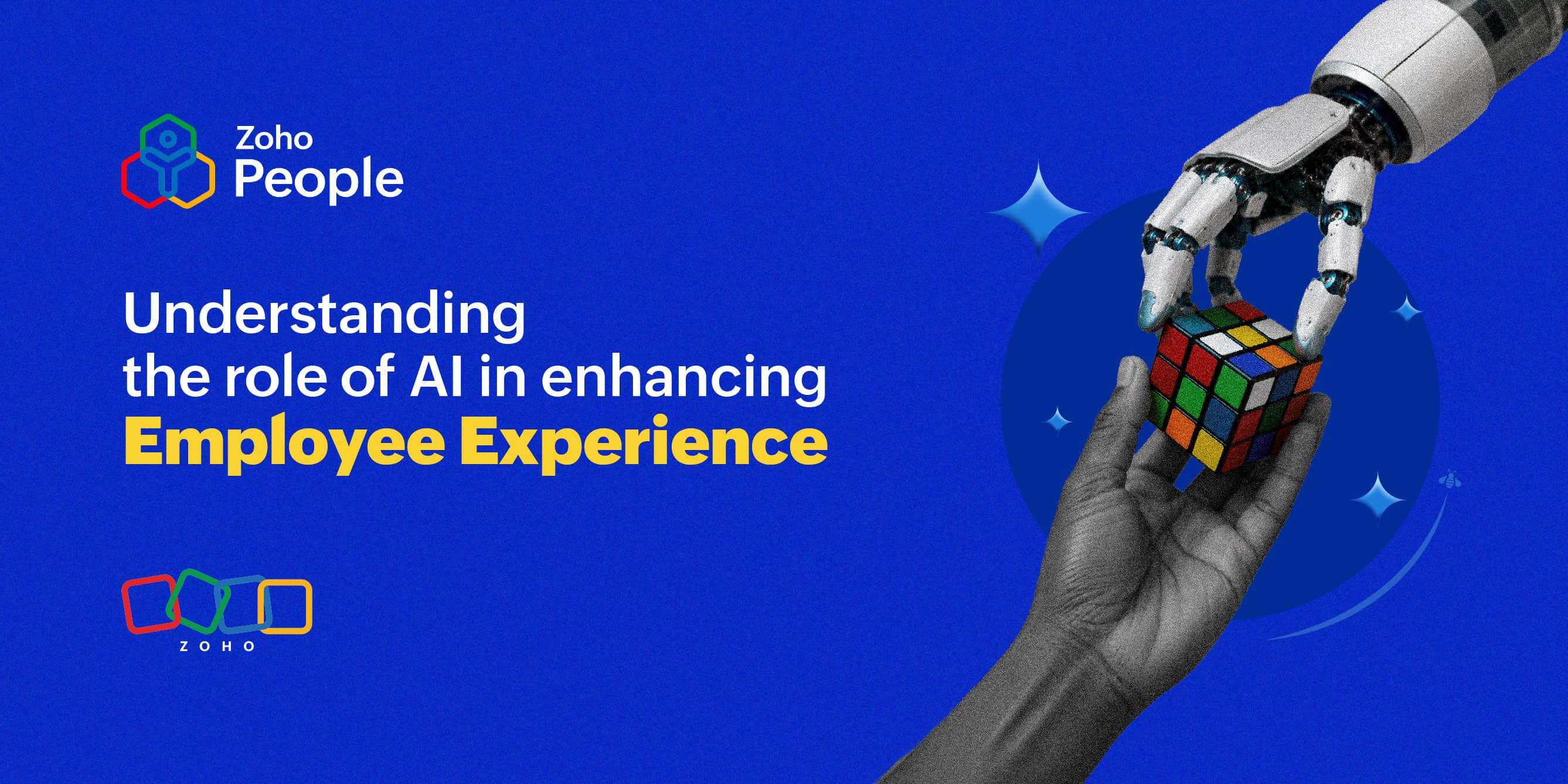
Employee experience is a top priority for today's organizations, and so are employee expectations. Clear communication, personalized support, seamless self-service, and career growth are all essential. With AI, organizations can meet those expectations by using data from feedback, performance records, and workplace trends to automate processes and provide more personalized assistance across the entire employee lifecycle.
The role of AI in EX
AI helps organizations understand employee behavior, identify patterns, and automate many of the same repetitive tasks HR professionals perform. While it doesn't eliminate the need for face-to-face conversations, it helps HR professionals gain valuable insight into how to guide those conversations so employees succeed.
Here are some of the major ways how AI contributes to employee experience:
Personalized onboarding
The onboarding process plays a major role in shaping a new hire's first impression. AI makes it easier to offer personalized training materials, schedules, and resources based on role, department, or skill level. AI chatbots help answer questions related to policy, benefits, or work processes, so employees feel supported and comfortable during their initial days at work.
Continuous employee feedback and sentiment analysis
Employers can't always rely on annual employee surveys to gain insight into workplace satisfaction. AI tools can analyze responses to monthly surveys and identify trends, which helps HR teams detect issues like burnout, disengagement, and dissatisfaction early. By understanding employee concerns in real time, organizations can take proactive steps to improve workplace culture and employee well-being.
Learning and development
Every employee has different goals. AI-driven learning programs can recommend training programs, certifications, or skill development courses based on performance, interests, and career path. This encourages continuous learning and helps employees grow professionally while supporting the organization.
Improved performance management
AI helps managers track employee goals, evaluate performance against past trends, and determine whether an employee needs more training or help reaching their full potential. It also reduces the risk of bias in performance evaluations, as all evaluations are data-based. This ensures frequent, constructive feedback regarding the quality of performance, giving employees greater opportunities to develop in their roles.
AI-powered assistance
HR typically spends significant amounts of time responding to routine inquiries regarding sick leave, attendance, payroll, and benefits administration - all while they performing other functions. By utilizing AI as an assistant via chatbots, organizations can provide immediate assistance to employees, thus saving both the employee and HR time.
Wrapping up
AI is becoming an important part of modern employee experience strategies. It helps organizations create more efficient processes, deliver personalized support, and better understand employee expectations. By reducing administrative burdens and providing valuable insights, AI allows HR teams to focus more on building positive workplace relationships and employee engagement.
Employee experience is ultimately about people. While AI can improve efficiency and decision-making, organizations must ensure that technology is balanced with empathy, transparency, and human interaction.