

- HOME
- Financial Management
- Internal controls in accounting: Why they matter for small businesses
Internal controls in accounting: Why they matter for small businesses
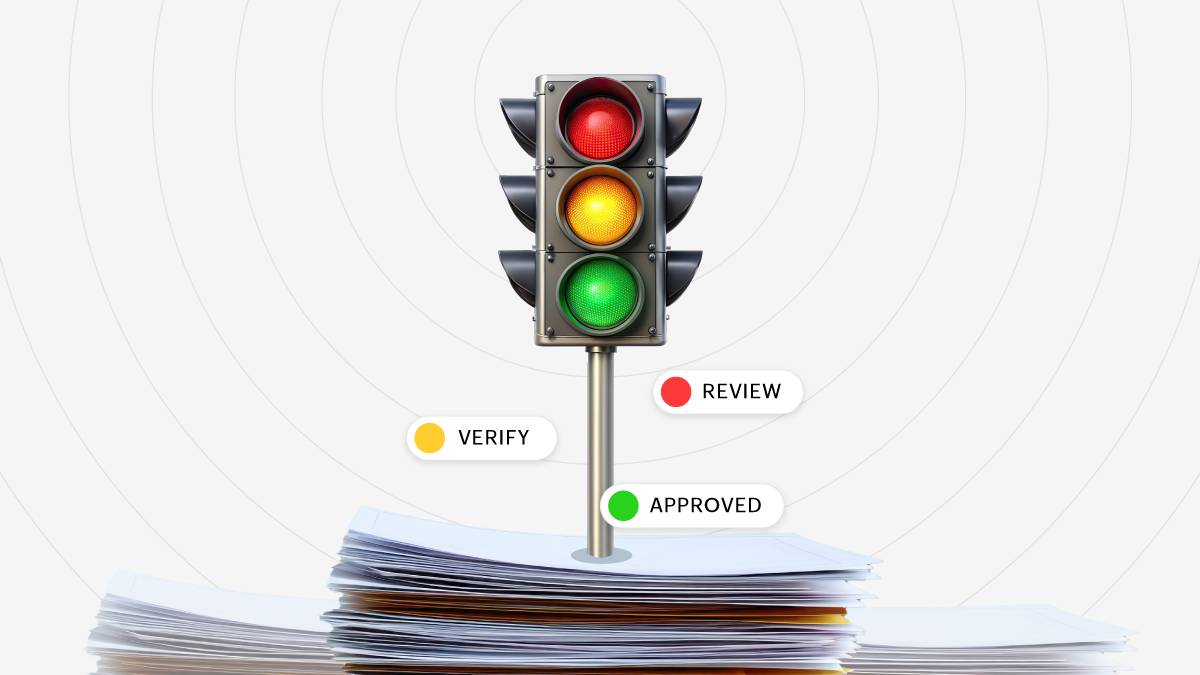
Sound accounting sets the foundation for strong businesses. Many businesses start their accounting process with the right intention of getting it all right for their business. They track all their invoices properly on a spreadsheet or accounting software, record all their expenses, manage a separate professional bank account and do periodic reconciliations, and hope everything balances during the tax season. But as businesses grow, so do the complications that come along with accounting. As businesses start working more customers, more vendors, this informal way of accounting rarely works. The process calls for certain ground rules to be set and that's where internal controls come in.
Internal controls in accounting refers to the rules and processes that are put in place to ensure business money is used correctly, transaction records are maintained accurately, and business is protected from fraud and costly mistakes. While it may sound like internal controls are necessary for larger companies, setting them up at the initial stage of a business steers the business in the right direction. A single error, missed transaction, or incorrect tax filing can have consequences that could devoid a company' of its future.
What are internal controls for a small business?
Simply put, internal controls are the guardrails of a business' accounting system. They define how transactions are recorded, who approves what, who has access to what, and how errors are detected and controlled.
For a small business, this might include:
Setting an approval mechanism to pay vendors.
Deciding who in the company gets access to financial information.
Reconciling bank statements with accounting records frequently.
Locking past transactions to prevent record tampering
No small business owner would leave their store open in the night with cash register unlocked. Yet many unknowingly do that with their accounting system. Internal controls are like the locks and security alarms of your financial system. They exist to ensure that nothing goes wrong, and even if it goes wrong, it is recorded and corrected in the future.
Did you know?
A US construction firm lost close to $200,000 when an employee created fake vendors and approved their payments because no one reviewed new vendor creation and transaction approvals weren't in place.
Many small business owners might feel that having rigid rules in place might be seen as they don't trust their employees. Internal controls are not about distrust, they are all about protection. Controls in accounting protect everyone in the ecosystem. Well-defined processes eliminate confusion and disputes.
What internal controls should a small business have?
Here is a list of key internal controls that any small business should have in place.
Approval mechanisms
Payments, refunds, vendor onboarding, and credit notes should require approval from the senior management. This is mainly needed if the transaction exceeds a certain threshold. This prevents unauthorized or accidental transactions.
Demarcation of duties
A single person shouldn't handle a transaction from end-to-end. Ideally, your sales member should create the invoice, the finance manager should approve it and accounts receivable professional should ensure the payment is received. This prevents fraud and also improves accountability.
Regular bank reconciliation
Bank reconciliation is one of the best practices to catch an error before it blows up into a big issue. The transactions in the bank statement should match with the accounting records. If they don't, it calls for an immediate fix.
Did you know?
A UK retail store found out £40,000 was missing when reconciling their bank account because refunds were given to customers but were never recorded in the books.
Transaction locking
Once an accounting period is closed, transactions should not be edited without authorization. Many companies follow this on a monthly level. This ensures records aren't tampered and helps greatly during the tax season.
Clear audit trails
Every single change that is made to financial transactions must be recorded. There should be a system in place to find out who edited what and when. This makes it easy to investigate during issues and it also prevents anyone from attempting any malpractice.
How accounting software helps enforce internal controls
With traditional accounting, enforcing internal controls can get tricky. They are mere rules that exist on paper and rarely there are alerts whenever there is a lapse. That's where modern accounting solutions like Zoho Books get into the picture.
Zoho Books helps enforce internal controls for businesses by:
Allowing role based access and user permissions.
Setting up approval mechanisms for processing payments and other transactions.
Facilitating easier and quicker bank reconciliation.
Locking transactions after a given period.
Maintaining audit trails to trace issues to their origin.
Internal controls checklist for small businesses
Small businesses looking to implement internal controls can use the below checklist as a reference point to get started.
Sales & invoices
◻ Are all invoices created and documented properly?
◻ Is invoice creation and accounts receivable managed by separate teams?
◻ Are deleted or edited invoices tracked with an audit trail?
◻ Are bank deposits matched against invoices regularly?
Purchases & expenses
◻ Are new vendors and vendor payments approved before processing?
◻ Are necessary proofs collected before onboarding new vendors?
◻ Are refunds and credit notes handled only by authorized users?
◻ Do payments beyond an upper limit need management approval?
Bank & cash controls
◻ Is cash and company card access limited to specific employees?
◻ Are bank account login credentials stored in a secure virtual vault?
◻ Are bank accounts reconciled every week?
◻ Are mismatched bank transactions investigated immediately?
System controls
◻ Is multi-factor authentication enabled when logging in to the accounting system?
◻ Do users have role-based access set up? (For example, Sales, Accounts Payable, Accounts Receivable, etc.)
◻ Does the system maintain a clear audit trail?
◻ Are transactions locked once the reporting period ends?
◻ Is management reviewing financial reports periodically?
Without controls, even the most promising businesses can be derailed due to a small error. Investors, banks, and auditors trust businesses that maintain clean books and strong processes. Internal controls set the basis for that trust.
By complementing sound internal controls with accounting software like Zoho Books, even the smallest business can operate with the reliability and discipline of a large corporation.