PDPA Compliance for Singapore SMEs: How SaaS Tools Help

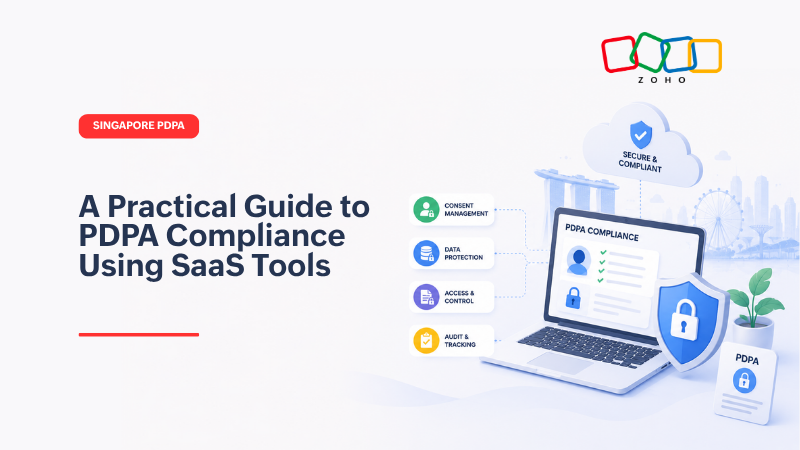
PDPA compliance is an important responsibility for all businesses in Singapore. As more work moves online, the risk of data leaks and human mistakes grows. Many SMEs feel that PDPA is complicated, but modern SaaS tools make compliance easier and more manageable. With the right systems, businesses can protect customer data without heavy manual work or complex processes.
Why PDPA Compliance Matters
The Personal Data Protection Act (PDPA) sets out how organisations should collect, use, disclose, store, and protect personal data. It ensures that individuals' personal information is handled responsibly and securely. When businesses ignore these rules, they face investigations, penalties, and a loss of trust. Good PDPA practices not only keep a company compliant but also show customers that their data is treated with care.
Understanding PDPA in Simple Terms
PDPA is easier to understand when broken into a few core ideas. Businesses must collect personal data only for clear reasons and use it only for the purpose they state. They must protect the data from unauthorised access and delete it when it is no longer needed. Customers should be able to view or correct their data if they ask. If a data breach occurs and may cause harm, the business must report it. Every organisation must also appoint a Data Protection Officer.
How SaaS Tools Help With Compliance
SaaS tools offer many features that support PDPA requirements. These tools centralise customer information so that it does not get scattered across devices or personal accounts. They include built-in security features such as encryption, access controls, audit logs, and regular backups. For SMEs, this reduces the amount of manual effort needed to stay compliant.
Controlling Who Can Access Personal Data
A common weakness among SMEs is unclear access control. When too many people can view or edit customer data, the risk of accidental exposure increases. SaaS tools let you assign specific roles and permissions so that only the right staff can see certain information. Multi-factor authentication adds another layer of protection. Audit logs also make it easy to track who accessed what. These features help businesses reduce unauthorised access and protect customer privacy.
Using Secure Channels for Customer Communication
Many SMEs communicate with customers through personal WhatsApp accounts, emails, or shared spreadsheets. While convenient, these methods are not secure and make it difficult to track data. When information is stored across many devices, it is easier for it to be lost or shared by mistake. A cloud-based helpdesk or CRM keeps all customer communication in one safe place. Staff can respond from a central system instead of personal platforms, which reduces the chance of data leaks.
Protecting Data Through Encryption and Backups
SaaS platforms protect data through encryption, both while it is being sent and while it is stored. This ensures that even if someone intercepts the data, they cannot read it. These platforms also perform automatic backups, so businesses do not risk losing data if a device fails or a cyberattack occurs. SMEs do not need to manage servers or storage themselves, as the platform handles these tasks.
Standardising How Data Is Collected and Stored
Data becomes risky when every team member stores it differently. Some may use spreadsheets, others may save it in emails, and some may keep it on their phones. SaaS tools help standardise data collection. Online forms capture information in a structured way. Customer profiles store all details in a single location. This makes it easier for teams to find accurate information and reduces the chance of mistakes.
Managing Data Retention and Deletion
PDPA requires businesses to delete personal data when it is no longer needed. This is difficult to do manually, especially when data is stored across multiple systems. SaaS tools make this simpler by allowing automated retention policies. Old data can be archived or removed based on preset rules. This helps businesses stay compliant without having to remember to clean up their files.
Preparing for Data Breaches
Even with strong defences, breaches can happen. PDPA requires businesses to report certain breaches quickly, especially if harm may occur. SaaS tools support this process. They offer alerts for unusual activity and logs that show exactly what happened. This helps a Data Protection Officer respond quickly, understand the impact, and take the right steps to reduce harm.
Training Staff With the Help of SaaS Tools
Human error is still the biggest cause of data problems. Staff may send files to the wrong person or store information in the wrong place. Many SaaS platforms include training modules, built-in guides, or templates that help teams follow proper procedures. Simple checklists and recurring reminders can reinforce good habits and reduce mistakes.
Conclusion
PDPA compliance does not need to be overwhelming. With the right SaaS tools, SMEs can manage personal data more safely and efficiently. Cloud platforms offer strong security, clearer workflows, and better visibility, all of which help businesses meet PDPA requirements with confidence. By using these tools wisely, SMEs can protect their customers and build stronger trust in the digital age.
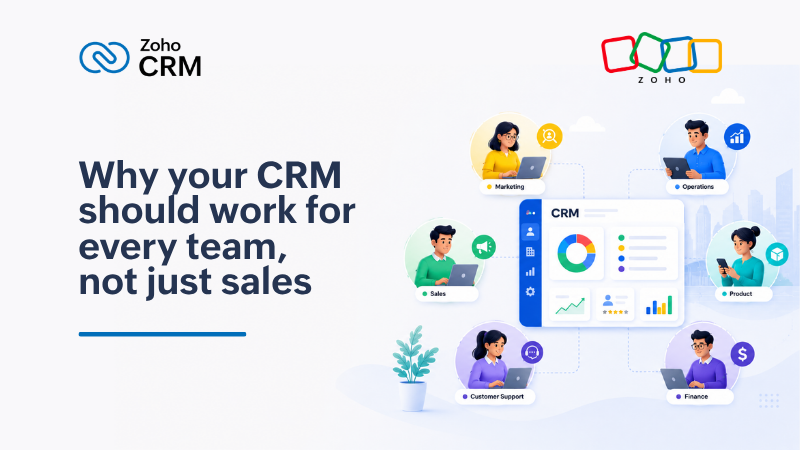
For Singapore businesses looking for a practical starting point, Zoho CRM offers many of the features this guide describes in a single platform. Customer data is stored centrally with role-based access controls, so only the right people can view or edit personal information. Audit logs track every interaction, communication is handled through a secure, centralised interface rather than personal devices, and automated workflows can support data retention and deletion policies without manual intervention. For SMEs taking their first steps toward PDPA-aligned operations, it is a manageable and cost-effective place to begin.
Comments