Why employee communication needs more conversations and less broadcasting

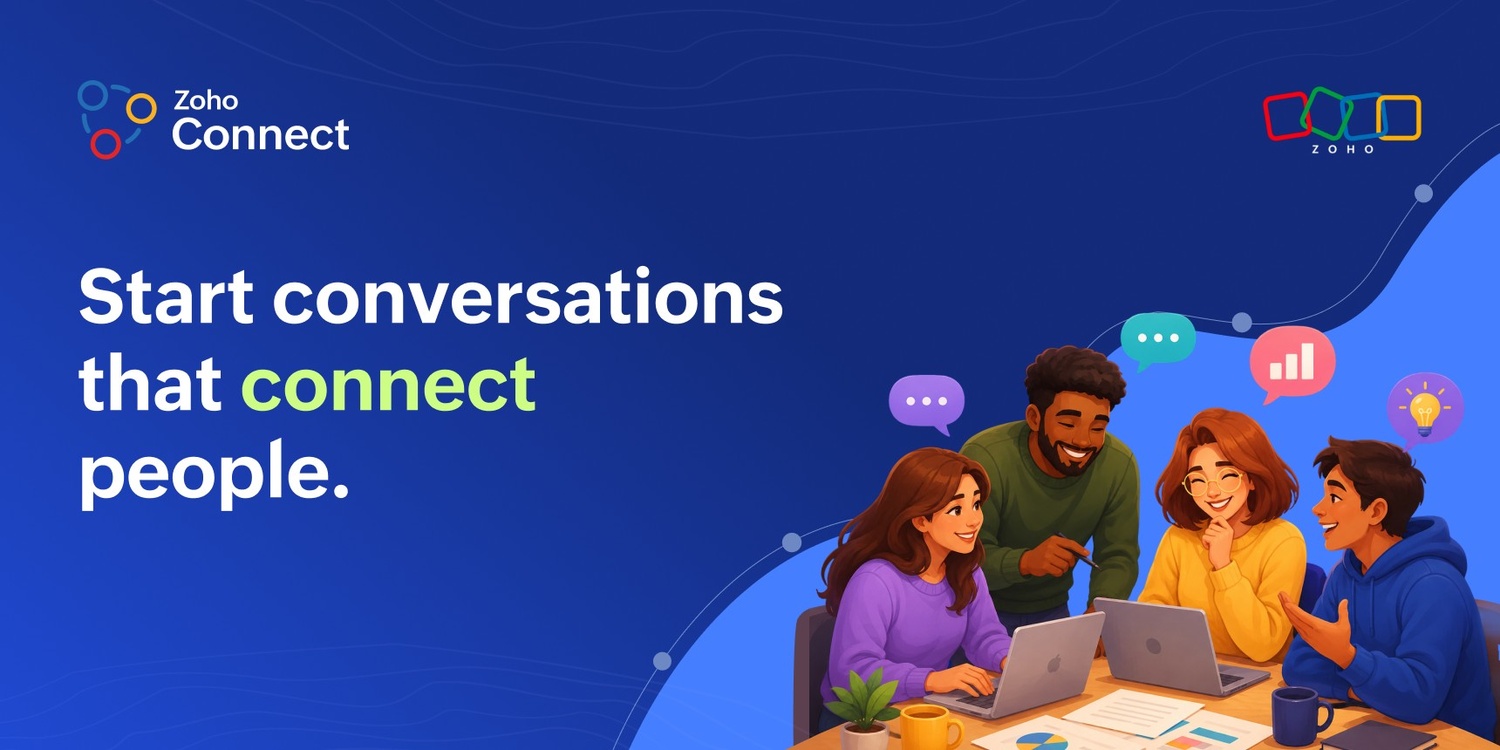
Employee communication is no longer just about sharing updates; it's about creating meaningful conversations that keep employees engaged, connected, and involved. As workplace expectations evolve, organizations are moving away from traditional top-down communication and embracing a more interactive approach.
Some of the key shifts driving this change include:
Employees want opportunities to ask questions, share feedback, and contribute ideas rather than simply receive information.
Two-way communication helps build trust, improve transparency, and create stronger connections across the organization.
Hybrid and distributed work environments have increased the need for intentional conversations that keep employees connected.
Modern workplace platforms make it easier to encourage discussions, gather real-time feedback, and foster collaboration.
Leadership communication is becoming more interactive through formats such as town halls, AMAs, polls, and Q&A sessions.
Organizations that encourage participation often experience higher engagement, stronger workplace culture, better collaboration, and improved employee experiences.
Ultimately, effective employee communication is no longer measured by how many messages are sent, but by how successfully organizations create opportunities for dialogue and connection. When employees feel heard and valued, they become more engaged contributors to the organization's success.
To explore this shift in greater detail and discover practical ways to build a more connected workplace, read the full blog.
Comments