
How transparency and fast response reduce customer churn in the Gulf
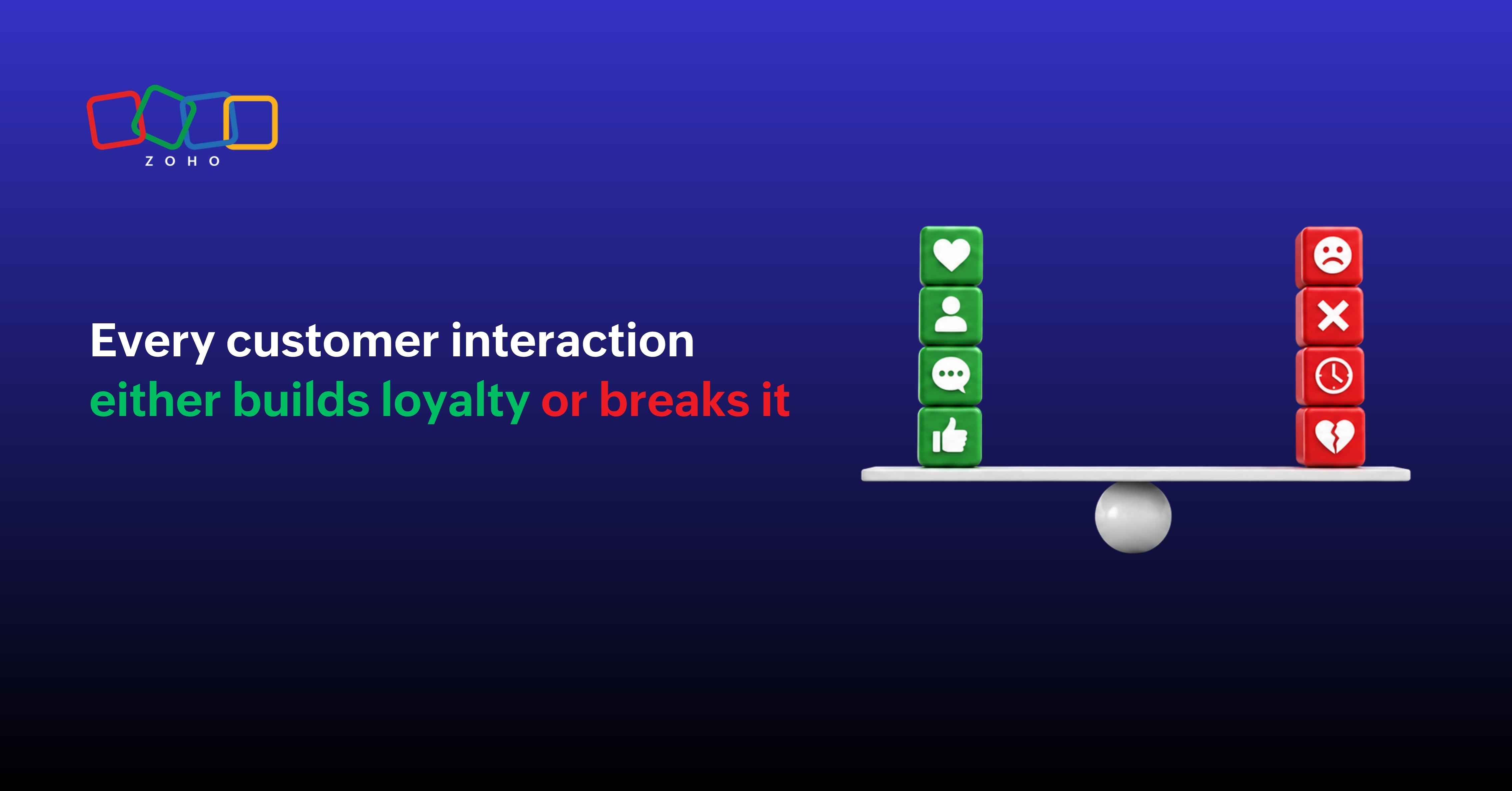
In the UAE, poor service frustrates customers and costs them time. Every year, UAE customers waste more than 83 million hours, or about 10.8 hours each, repeating information to businesses that should already have it. For a services business, lost time is an early sign of churn risk. Customers often leave because of broken trust. To build trust, you need to focus on transparency and responsiveness, both of which are operational choices you can design.
Why trust decides retention in the Gulf
In the Gulf, trust is built on strong customer relationships. While 72% of Middle East customers appreciate digital convenience, many still see human interaction as essential. In fact, a UAE survey reported by ServiceNow found that 68% of consumers prefer dealing with people over bots. This highlights the importance of building strong customer relationships. Retaining existing customers costs far less than acquiring new ones. Research by Bain & Company shows that investing in relationship-building and customer lifecycle management leads to substantial long-term financial returns.
"In the Gulf, customer loyalty is earned through every interaction, not just the final outcome. When businesses communicate proactively, respond with context, and make every customer feel known rather than processed, trust becomes a competitive advantage that drives long-term retention."
— Premanand Velumani, Associate Director, Strategic Growth, MEA
Transparency builds trust
Hidden fees are among the fastest ways to lose a customer, so transparent pricing is pivotal. Proactively communicating during issues, whether a project slip, a delayed shipment, or a slow ticket, builds trust before customers have to chase you for an update. This expectation for openness now extends to how data is handled. The UAE's evolving data protection regulations and rising customer expectations have made data residency a visible trust signal, especially for clients in banking, healthcare, and government-adjacent sectors. Clearly stating where customer data is stored, and being able to prove it, is a retention asset.
A connected CRM makes this much easier. With Zoho CRM, customer conversations, commitments, and updates live in one timeline, making proactive communication part of the workflow instead of something teams have to remember.
The responsiveness plays
Speed is the baseline expectation, not a differentiator. Customers notice how promptly you acknowledge and resolve their issues. Those 10.8 hours a year that UAE customers waste come from slow systems and long waits, so reducing response times directly improves retention.
The channel you choose to connect with your customers on also matters. WhatsApp has become a primary service channel across the Gulf, and Arabic-language support is expected by a large share of customers. But when WhatsApp isn't integrated with your CRM and support tools, it quickly becomes another silo, leading to fragmented conversations and inconsistent service.
Imagine a customer messages your business on WhatsApp to ask about a delayed delivery. The agent who answers already knows they called yesterday, emailed last week, and have an open support ticket, all without asking the customer to repeat themselves. That's what happens when WhatsApp is connected to Zoho CRM and Zoho Desk. Every interaction becomes part of a single customer record, giving agents the full context they need to resolve issues faster and deliver the seamless service customers expect.
Turn the plays into a playbook
Consistency is what makes trust compound, so treat these plays as a repeatable operating model rather than one-off initiatives. The businesses that retain customers build processes that make good experiences happen every time. The most successful service teams measure retention, review it regularly, and make someone accountable for improving it.
Measure what matters: Track first response time, resolution time, CSAT (customer satisfaction score), NPS (net promoter score), and CES (customer effort score) together to understand whether operational improvements are translating into better customer experiences.
Look beyond averages: Monitor churn and net revenue retention by customer segment instead of relying on company-wide figures. This helps you identify which customer groups are becoming disengaged before they leave.
Assign clear ownership: Every stage of the customer journey, from onboarding to support and renewals, should have a defined owner. If customer health scores or CSAT fall below a set threshold, trigger a follow-up within 24 hours.
Making trust the default, not the exception
When teams measure the right outcomes, share responsibility across the customer journey, and act on warning signs early, trust stops being a brand promise and becomes part of how the business operates. The result is stronger retention, deeper relationships, and customers who stay for the long term.
FAQs
Why do services customers in the Gulf churn?
The common drivers are broken promises, going silent during problems, slow responses, unclear pricing, and losing the personal relationship a client thought they had. In relationship-led Gulf markets, a single mishandled issue can undo years of goodwill.
Which metrics should a CX team track for retention?
Start with first response and resolution time, CSAT, NPS, and CES for experience quality. Then, track churn rate and net revenue retention for the business outcome. Break them down by segment so at-risk accounts surface before they leave.
How does Zoho Desk help meet Gulf response expectations?
Zoho Desk unifies email, chat, phone, WhatsApp, and social in a single queue, with Arabic-language support and automation rules that route and prioritise tickets. Agents see full customer history in one place, which cuts response time and stops customers from having to repeat themselves.
Does Zoho support UAE data residency and privacy?
Yes. Zoho operates data centres in the region, follows a long-standing privacy-first policy, and does not sell customer data. For service firms handling regulated client information, that gives you a clear answer to where data lives, which is increasingly a condition of doing business.
Which Zoho tools help build a retention playbook?
Zoho CRM tracks commitments and customer health, Zoho Desk handles omnichannel support and SLAs, and Zoho Survey captures CSAT and NPS. Zoho Analytics helps teams monitor retention, response times, and customer satisfaction trends from a single dashboard. Together, they let you set the triggers, assign ownership, and measure whether transparency and speed are actually holding customers.