- HOME
- Digital Health
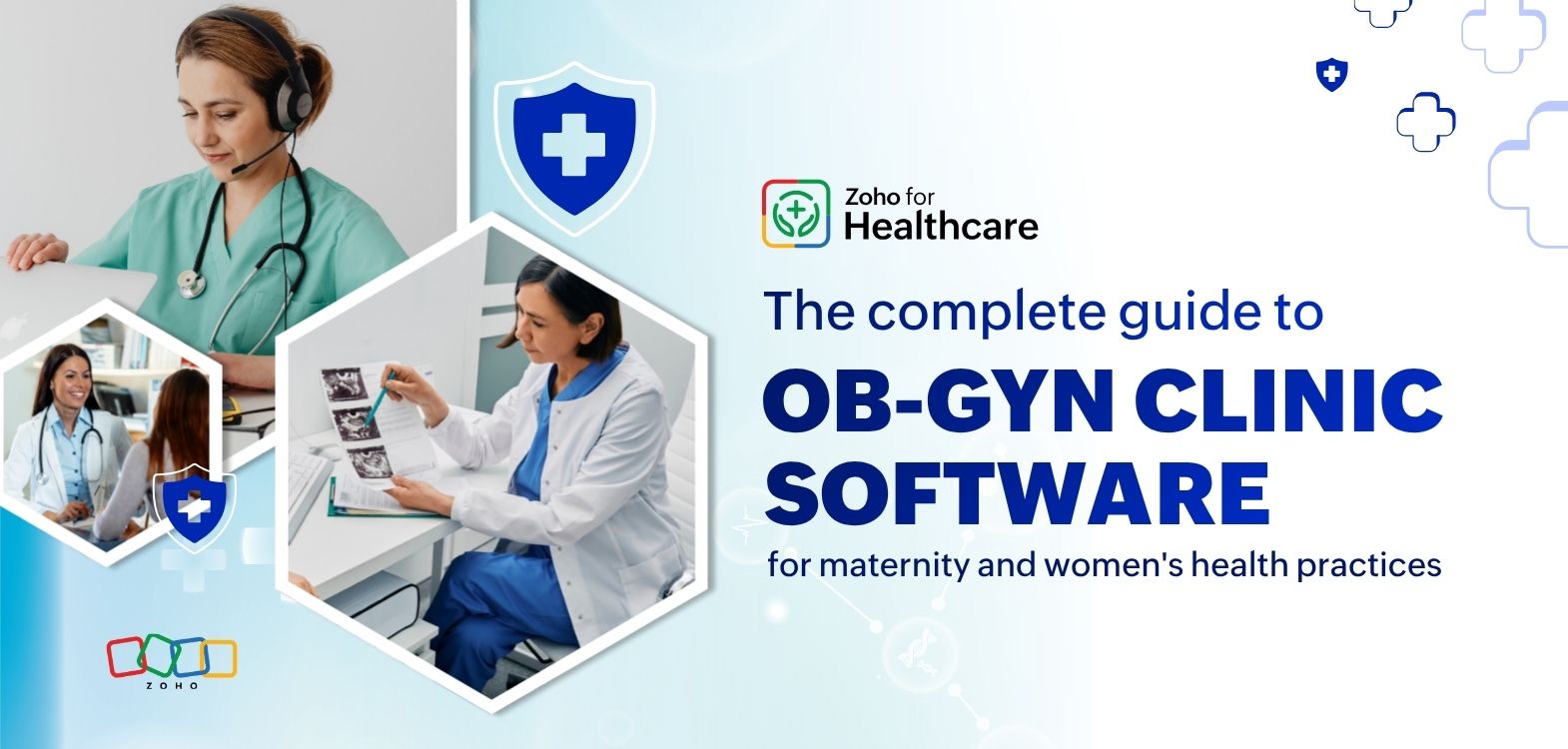
- The complete guide to OB-GYN clinic software for maternity and women's health practices
The complete guide to OB-GYN clinic software for maternity and women's health practices
- Last Updated : June 18, 2026
- 153 Views
- 6 Min Read

Every specialty clinic has its own workflow requirements, and OB-GYN practices are no exception. From prenatal care and recurring pregnancy visits to lab coordination and postpartum follow-ups, providers manage complex patient journeys that require continuity, accuracy, and timely communication.
Most generic practice management systems aren't designed to accommodate these interconnected workflows. As a result, clinics often rely on multiple systems and manual processes to track appointments, maintain records, coordinate care, and engage patients throughout their healthcare journey.
The right OB-GYN clinic software helps streamline these processes by centralizing patient records, automating recurring appointments, tracking pregnancy milestones, and improving coordination between clinical and administrative teams. Rather than adapting workflows to fit the software, clinics can benefit from a platform that can be configured to support their unique operational needs.
In this guide, we'll explore the challenges OB-GYN clinics face, the essential capabilities to look for in a clinic management system, and how technology can help improve efficiency, patient experiences, and care delivery.
What is OB-GYN clinic software?
OB-GYN clinic software is a clinic management system designed to support the operational and clinical workflows of obstetrics and gynecology practices. It helps providers manage prenatal care, recurring pregnancy visits, patient records, imaging, billing, patient communication, and maternity workflows from a single platform.
Unlike general-purpose scheduling systems, gynecology-focused workflows require long-term care coordination. A single pregnancy can involve multiple consultations, diagnostic tests, imaging appointments, follow-ups, and postpartum visits spread across several months. Effective gynecology practice software helps clinics manage these touchpoints while maintaining complete visibility into a patient's care journey.
Why do OB-GYN clinics need workflow-focused clinic management software?
These clinics operate differently from many other outpatient specialties. Care is often longitudinal, particularly for maternity patients who require regular monitoring over several months.
Providers must manage recurring prenatal appointments, trimester-specific documentation, fertility treatments, imaging reports, lab results, delivery planning, and postpartum care. When these processes are handled through disconnected systems, clinics often face administrative inefficiencies, communication gaps, and increased risks of missed follow-ups.
A configurable clinic management software for multi-speciality clinics helps bring these workflows together, enabling providers to focus more on patient care and less on operational complexity.

Key challenges faced by OB-GYN clinics
Before understanding how software helps, it’s important to identify the operational challenges many gynecology practices encounter.
1. Managing high volumes of recurring visits
A typical pregnancy involves numerous scheduled touchpoints from the initial consultation through postpartum recovery. Tracking these appointments manually can create scheduling conflicts, missed follow-ups, and additional workload for administrative teams.
2. Maintaining detailed patient records
Women's healthcare requires access to extensive historical information, including menstrual history, fertility treatments, pregnancy outcomes, ultrasound reports, hormonal therapies, surgical history, and prenatal test results.
Without centralized digital records, clinicians may spend valuable time searching for information that should be available during consultations.
3. Coordinating maternity workflows
Prenatal care often involves collaboration between physicians, nurses, diagnostic laboratories, imaging centers, and billing teams. When information is spread across multiple systems, communication delays can impact both operational efficiency and patient experiences.
4. Responding to time-sensitive situations
High-risk pregnancies, labor monitoring, and emergency consultations require immediate access to patient information. Quick visibility into clinical history, medications, allergies, and test results can support faster decision-making when every minute matters.
Essential features of OB-GYN clinic software
The ideal solution should support both clinical and administrative workflows while offering specialty-specific functionality.
1. Pregnancy workflow management
One of the most important capabilities of maternity workflow software is its ability to support the complete pregnancy journey—from the first prenatal visit to postpartum care.
A well-configured system can help clinics manage trimester-specific care plans, automate prenatal schedules, track risk assessments, monitor due dates, coordinate diagnostic tests, and ensure that important milestones aren't missed.
By standardizing workflows while allowing room for individualized care, providers can deliver a more consistent patient experience throughout pregnancy.
2. Recurring visit scheduling
Recurring appointments are central to maternity care. Once a pregnancy is confirmed, software can help automatically generate a schedule of prenatal visits based on gestational age and clinic protocols.
Automated reminders, wait lists, rescheduling tools, and provider availability management can help reduce no-shows while improving patient adherence to care plans.
3. Comprehensive patient records
Modern gynecology practice software brings together clinical and administrative information into a single patient profile.
Providers can quickly access medical histories, pregnancy records, imaging reports, lab results, medications, consent forms, progress notes, and billing information without navigating multiple systems. This improves the continuity of care and supports faster clinical decision-making.
4. Integrated ultrasound and lab management
OB-GYN clinics depend heavily on diagnostic testing. Integrated workflows allow providers to order tests, receive results, attach imaging to patient records, and monitor abnormal findings without relying on manual data transfers.
This reduces delays, improves care coordination, and minimizes the risk of missed information.
5. Customizable documentation templates
Documentation requirements vary across women's healthcare services. Clinics often benefit from customizable templates that can be configured for prenatal assessments, fertility consultations, pelvic examinations, menopause management, PAP smears, and labor records.
Standardized documentation helps improve consistency while reducing the time clinicians spend on administrative tasks.
How maternity workflow software improves prenatal care
Pregnancy care is one of the most workflow-intensive areas in healthcare. Dedicated maternity workflow software simplifies this process by creating structured care pathways.
Automated care milestones
The software can automatically track milestones such as:
Initial prenatal screening.
Anatomy scans.
Glucose testing.
Vaccinations.
Group B strep testing.
Delivery planning.
Postpartum visits.
Automated reminders ensure that patients and providers stay aligned throughout the pregnancy journey.
Risk-based monitoring
High-risk pregnancies require closer observation and more frequent visits. Advanced systems help clinicians flag patients based on:
Hypertension.
Gestational diabetes.
Previous complications.
Maternal age.
Multiple pregnancies.
This enables proactive intervention and improves patient safety.
Improved patient communication
Patient engagement tools further strengthen prenatal care with:
Appointment reminders.
Educational resources.
Secure messaging.
Timely care instructions.
Improved communication enhances patient engagement and satisfaction.
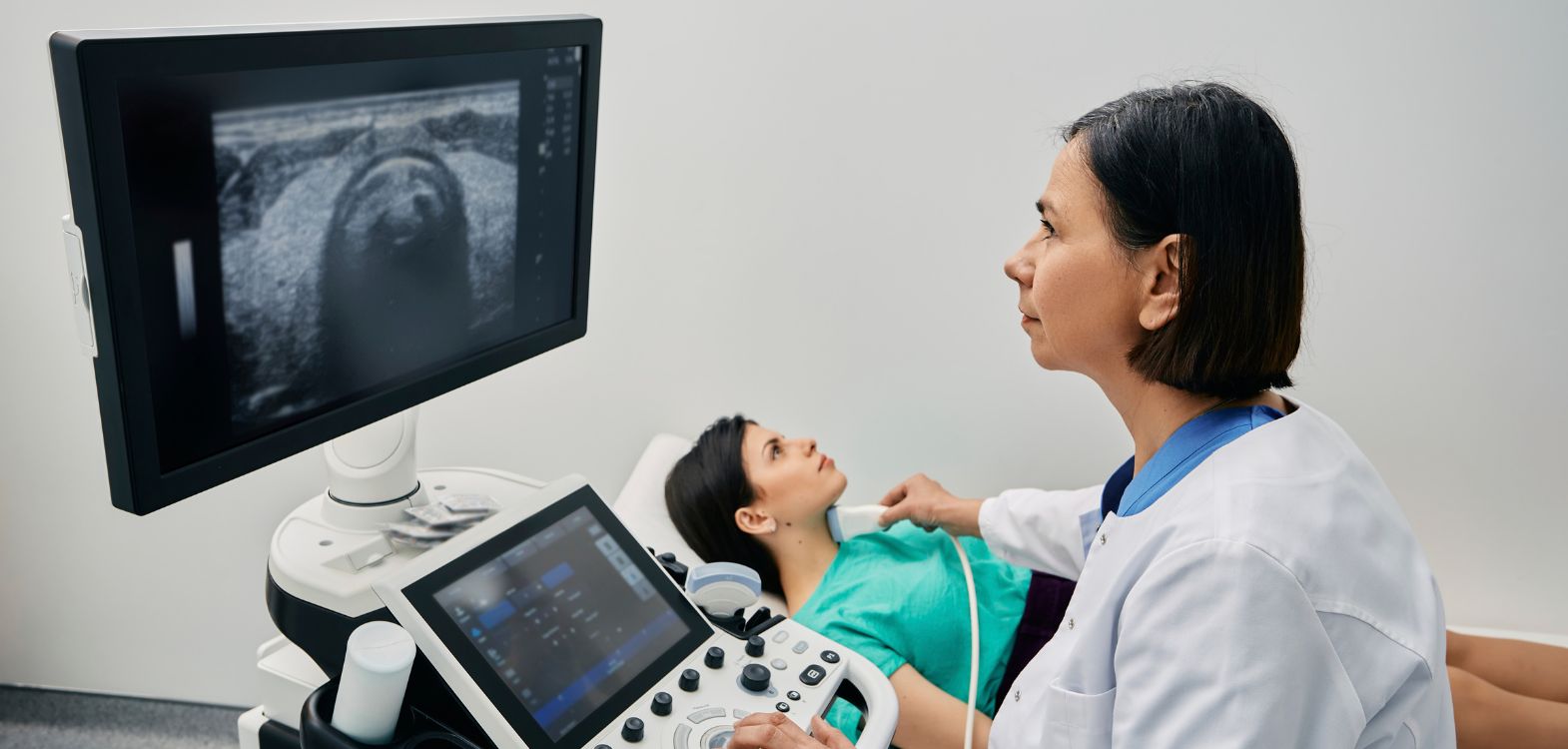
The benefits of gynecology practice software for clinic operations
Beyond clinical workflows, specialized software also improves operational efficiency.
Reduced administrative workload: Administrative teams spend less time on repetitive tasks such as appointment confirmations, documentation, billing, insurance verification, and follow-up reminders. Staff can focus more on patient coordination and less on manual data entry.
Faster billing and claims processing: Integrated billing workflows help reduce coding errors, improve reimbursement timelines, and provide greater visibility into revenue performance. This improves revenue cycle management for OB-GYN clinics.
Better reporting and analytics: Access to analytics and reporting also helps clinics monitor appointment trends, provider productivity, patient retention, financial performance, and care outcomes, supporting better operational planning and resource allocation.
The role of digital records in women’s healthcare
Digital records play a critical role in delivering coordinated and continuous care. When patient histories, diagnostic reports, medications, allergies, and treatment plans are accessible from a single system, providers can make faster and more informed decisions. This becomes especially important during high-risk pregnancies or emergency situations where immediate access to information can directly impact patient outcomes.
What to look for when choosing OBGYN clinic software
Rather than focusing solely on scheduling and billing capabilities, clinics should evaluate how well a platform supports their end-to-end workflows.
Look for software that can accommodate specialty-specific documentation requirements, maintain secure digital records, integrate with labs and imaging centers, support patient communication, provide meaningful analytics, and meet healthcare compliance requirements.
Scalability is equally important. As clinics expand, the platform should be able to support additional providers, locations, and patient volumes without requiring major workflow changes.
Future trends in OB-GYN clinic management software
As women's healthcare continues to evolve, OB-GYN clinics are increasingly adopting technologies that improve care coordination, enhance patient engagement, and reduce administrative burden.
1. AI-assisted medical scribing
AI-powered documentation tools are helping providers reduce administrative workload by automatically generating clinical notes from patient conversations.
2. AI-powered predictive analytics
Predictive models can help identify high-risk pregnancies, monitor chronic conditions, and support earlier clinical intervention.
3. Remote patient monitoring and IoT integration
Connected devices enable clinics to collect real-time health data such as blood pressure, glucose levels, fetal monitoring information, and other maternal health indicators outside traditional visits.
4. Telehealth integration
Virtual consultations are increasingly being used for prenatal check-ins, fertility consultations, follow-ups, and postpartum care, making access to healthcare more convenient for patients.
5. Mobile patient engagement
Patients increasingly expect digital-first healthcare experiences. Mobile access to appointment scheduling, reminders, records, educational content, and secure messaging is becoming an important part of modern women's healthcare delivery.
FAQ
1. What is OB-GYN clinic software?
OB-GYN clinic software is a practice management system that helps obstetrics and gynecology clinics manage appointments, patient records, maternity workflows, billing, and patient communication.
2. How does maternity workflow software help clinics?
Maternity workflow software helps coordinate prenatal care, automate recurring visits, track pregnancy milestones, and improve communication throughout the patient journey.
3. Can OB-GYN clinic software manage recurring pregnancy visits?
Yes. Many systems allow clinics to schedule and automate recurring prenatal appointments based on gestational milestones and care protocols.
4. What features should gynecology practice software include?
Key capabilities include patient records, appointment management, maternity workflows, documentation templates, billing, patient engagement tools, integrations, and analytics.
5. How is OB-GYN clinic software different from general practice management software?
General practice management software focuses on core functions such as appointment scheduling, billing, and patient records. OB-GYN clinic software is designed to support the unique workflows of women's healthcare and includes managing tracking pregnancy milestones, coordinating imaging and lab tests, and supporting maternity care workflows.
Looking ahead
As women's healthcare continues to evolve, clinics need technology that supports both clinical excellence and operational efficiency. The right OB-GYN clinic software can help streamline maternity workflows, improve patient engagement, centralize records, and simplify day-to-day operations.
Whether you're managing a growing gynecology practice or a maternity-focused clinic, investing in a configurable clinic management platform can help you deliver more connected, efficient, and patient-centered care.
Looking for a clinic management software to support your OB-GYN clinics? Get in touch with us to learn more.