

- HOME
- Taxes & compliance
- MTD for Income Tax: End-of-Year Submissions and Final Declaration explained
MTD for Income Tax: End-of-Year Submissions and Final Declaration explained
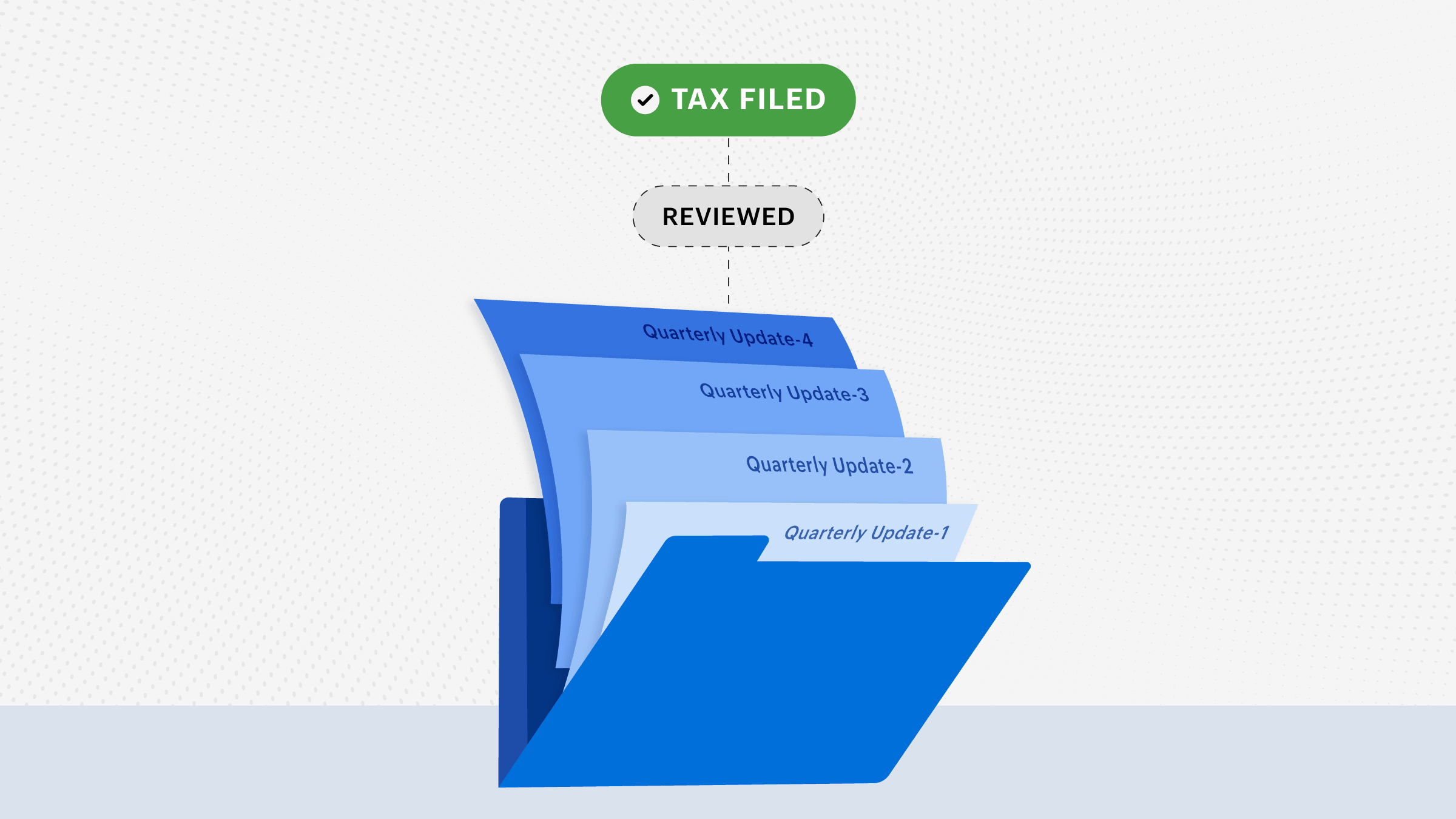
Introduction: What happens after quarterly updates?
It's been a few weeks since MTD for Income Tax went live. If you are a sole trader or landlord with income over £50,000 (from April 2026) and over £30,000 (from April 2027), you may have already taken the first step toward the mandate by maintaining digital records and getting ready for the first quarterly update.
The question now is, are you prepared for what comes after? Once you have completed the cumulative submission of quarterly updates, the next step is carrying out the End-of-Year Submissions and Final Declaration. This is where you report your business allowances, reliefs, and adjustments, provide details of any other income, and complete your final declaration to HMRC using MTD-compliant software.
This article explores what each are, how they work, and how you can prepare for compliance.
What are End-of-Year Submissions?
After the final quarterly update has been sent, and before submitting the Final Declaration, you may need to file the End-of-Year Submissions. The End-of-Year Submissions are when you report your allowances, make adjustments, claim reliefs, and confirm any other taxable income before finalising your tax position under Making Tax Digital for Income Tax.
Your End-of-Year Submissions will include the following:
Annual submission: Once the numbers are finalised, the annual submission confirms allowances, adjustments, and the final business position with HMRC.
This includes capital allowances for equipment or vehicles, and adjustments for disallowable expenses, among others.
Business Source Adjustable Summary (BSAS): This allows sole traders and landlords to review and adjust their income and expenses submitted during the year.
Individual losses: Taxpayers with eligible losses from business or property income can report and carry them forward to future years or, where allowed, offset them against other income.
Other income sources: If you have income from other sources, you must also report it to HMRC as part of MTD for Income Tax before completing your final declaration. Some of the other income sources supported by Zoho Books include:
Brought Forward Loss
Loss Claims
UK Interest
UK Dividend
Employment
Student Loan
Marriage Allowance
Class 2 National Insurance
High Income Child
Charge Benefit
What is a tax return?
A tax return is the final declaration submitted to HMRC at the end of the tax year under Making Tax Digital for Income Tax. It replaces the traditional Self Assessment tax return and provides HMRC with a consolidated view of your business, property, and other income sources. HMRC calculates your final tax liability based on the information submitted throughout the year, including quarterly updates and year-end adjustments. Once your tax return is available, you can review your information, check your final tax liability, and complete your final declaration by submitting it to HMRC. This completes your tax obligations for the relevant tax year.
There is no change to the existing payment process under MTD for Income Tax, and tax payments will continue to be made through the Payments on Account system.
MTD for Income Tax: A complete overview
Step 1: Quarterly updates
Sole traders and landlords above the eligible income threshold must submit a summary of their income and expenses to HMRC using compatible accounting software.
This must be done every three months, with submissions due by the 7th day after the end of each quarterly period for each business or property income source.
Step 2: End-of-Year Submissions
Here you report your allowances, reliefs, adjustments, losses, and any other sources of income to HMRC as part of your end of year submissions. These submissions must be completed by 31 January following the end of the relevant tax year.
Step 3: Final Declaration
Despite having multiple income streams and multiple quarterly update sets, there is only one Final Declaration per person, per tax year. It covers everything, and HMRC uses it to calculate the total tax bill.
Deadline: 31 January following the end of the tax year, the same as the current Self Assessment deadline.
Final thoughts
One of the most important steps in staying compliant with the Making Tax Digital mandate is choosing the right accounting platform—one that does not break the bank but also doesn’t compromise on features. That’s why our free accounting software is here with a free plan for both sole traders and landlords to help them stay MTD for Income Tax compliant. With our MTD-compliant accounting solution, you do not have to worry about cost or compliance.
Our free plan offers premium features that help you stay on top of your business finances as well as compliance.
Frequently asked questions
Can I make changes to the quarterly updates?
Yes. Quarterly updates are cumulative. If you identify an error in a previous submission, or a last-minute sale or expense that was not included in a particular quarterly update, you can correct it or add it in the following quarter along with the underlying digital records. Errors made in the fourth quarter can be corrected before the tax return filing deadline.
How do I file End-of-Year Submissions and submit the Final Declaration?
You can use HMRC-recognised Making Tax Digital accounting software like Zoho Books or bridging software to file End-of-Year Submissions and submit your Final Declaration.
When should I submit the Final Declaration?
You need to submit your Final Declaration by 31 January following the end of the tax year to which it relates. For instance, the MTD end-of-year return for the 2025–26 tax year must be filed by 31 January 2027.
How is the Final Declaration different from Self Assessment?
The Final Declaration replaces the annual Self Assessment if you are eligible for the Making Tax Digital mandate. You will send four quarterly updates instead of one annual return. The Final Declaration is the last step to confirm the income and tax information you have already provided.
The key difference is that everything is filed through compatible software. Since you would have already sent quarterly updates and End-of-Year Submissions, much of your information is prepopulated, reducing the margin for error. This also gives you a more accurate estimate of the tax you owe throughout the year, helping prevent overpaying or underpaying. Avoiding underpayments is especially important, as they can lead to penalty points; this approach helps minimise that.
Can I make changes to the Final Declaration?
Yes. You can make changes to the Final Declaration within 12 months of the submission deadline, subject to HMRC’s amendment rules and deadlines. To learn more, Visit HMRC's official website.