Mastering event volunteer management: Tips & best practices

Discover how to manage volunteers efficiently, enhance attendee experiences, and streamline event operations with tools like Zoho Backstage.

Getting volunteer management wrong can derail an event. Missed assignments, unclear roles, or slow problem-solving don't just create stress—they shape the attendee experience and, ultimately, the reputation of your organization.

In 2025, these challenges are sharper. Hybrid events, new tech, and shifting volunteer expectations—like prioritizing purpose over perks—mean event managers must rethink how they recruit, train, and support their volunteers.

This guide focuses on the essentials: how to recruit the right volunteers, balance them with paid staff, coordinate their roles effectively, and address legal and compliance requirements.

Event volunteer management guide

A complete guide to managing event volunteers in 2026

Why building the right event team matters

A key decision for any event is knowing which roles need paid staff and which can be filled by volunteers. Certain positions—like AV technicians, security, financial transactions, or tasks involving legal compliance—require specialized skills, reliability, and liability coverage. Mistakes in these roles can have serious financial or legal consequences, so professional paid staff with clear demarcated accountability is essential.

Volunteers, on the other hand, excel in roles where enthusiasm, approachability, and personal connection make the difference. Registration, way-finding, hospitality, participant service, and community-building activities are perfect examples that volunteers can handle effectively.

Also, most event roles work best when staff and volunteers play different but complementary roles. Here are a few examples:

RoleWhat paid staff can doWhere volunteers will shineWhy the mix would work
Social mediaPublish on-brand posts and handle any tricky issuesGoing live from different spots, sharing real-time updates, and reporting attendee perspectives and feedbackStaff ensures professionalism; volunteers bring energy and authenticity
RegistrationOversee payment processing, check-in systems, and VIP issuesGreet attendees at entry points, print and hand out name badges, and answer common questions about schedules and locationsStaff ensure accuracy and security; volunteers keep lines moving, and attendees feel welcomed
Event techMaintain software platforms, AV equipment, and network reliabilityAssist attendees with app logins, device connections, and troubleshoot basic tech issues on the spotStaff ensure systems work smoothly; volunteers provide immediate help to prevent frustration and delays
Accessibility supportManage ADA compliance documentation and operate specialized equipmentOffer hands-on guidance with wheelchairs, arrange seating, and escort attendees to accessible routesStaff covers legal requirements; volunteers provide personal attention that improves comfort and dignity
SustainabilityTrack waste diversion metrics and ensure venue complianceHelp attendees sort items into recycling and compost bins, adjust signage, and explain the venue's green initiativesStaff monitors environmental goals; volunteers make eco-friendly choices easy and visible for guests

To figure out which roles need paid staff and which can be handled by volunteers, ask yourself:

  • Risk and liability: Could a mistake have serious consequences, like legal or financial issues?
  • Skill and training needs: Does the role require specialized knowledge or technical expertise?
  • Attendee impact: Is the role mainly about personal interaction, or does it involve critical systems and processes?
  • Reliability and availability: Can a volunteer realistically meet the demands, especially under pressure?

These questions help you pair staff and volunteers strategically, cover critical tasks, and let volunteers shine in roles that benefit from energy and engagement.

Pro tip: Build a hybrid team structure

Pair one paid supervisor with every 5–7 volunteers. This keeps quality high without stretching your budget and overloading your core event team.
How to recruit and register event volunteers

Recruiting the right volunteers starts well before your event. A structured plan, clear role descriptions, and a defined timeline help attract reliable team members who know what's expected and are excited to contribute.

Define roles and build your timeline

Start by identifying the roles you need and how many volunteers each requires, including backups in case someone drops out. Most events need 4–6 weeks to recruit, train, and confirm volunteers. Then, assign a point person for each role to oversee recruitment, training, and day-of coordination.

Write clear, specific role descriptions

Volunteers respond to clarity and context. Each role description should include the event name, dates, shift times, responsibilities, required skills, dress code, and manager contact information. Specific, detailed descriptions not only attract qualified volunteers but also help them self-select for roles they can confidently perform, reducing confusion and last-minute issues on event day.

Post opportunities where they'll be seen

Where you advertise matters as much as what you post. Reach a broad, motivated audience by listing opportunities on:

Create a custom volunteer registration page

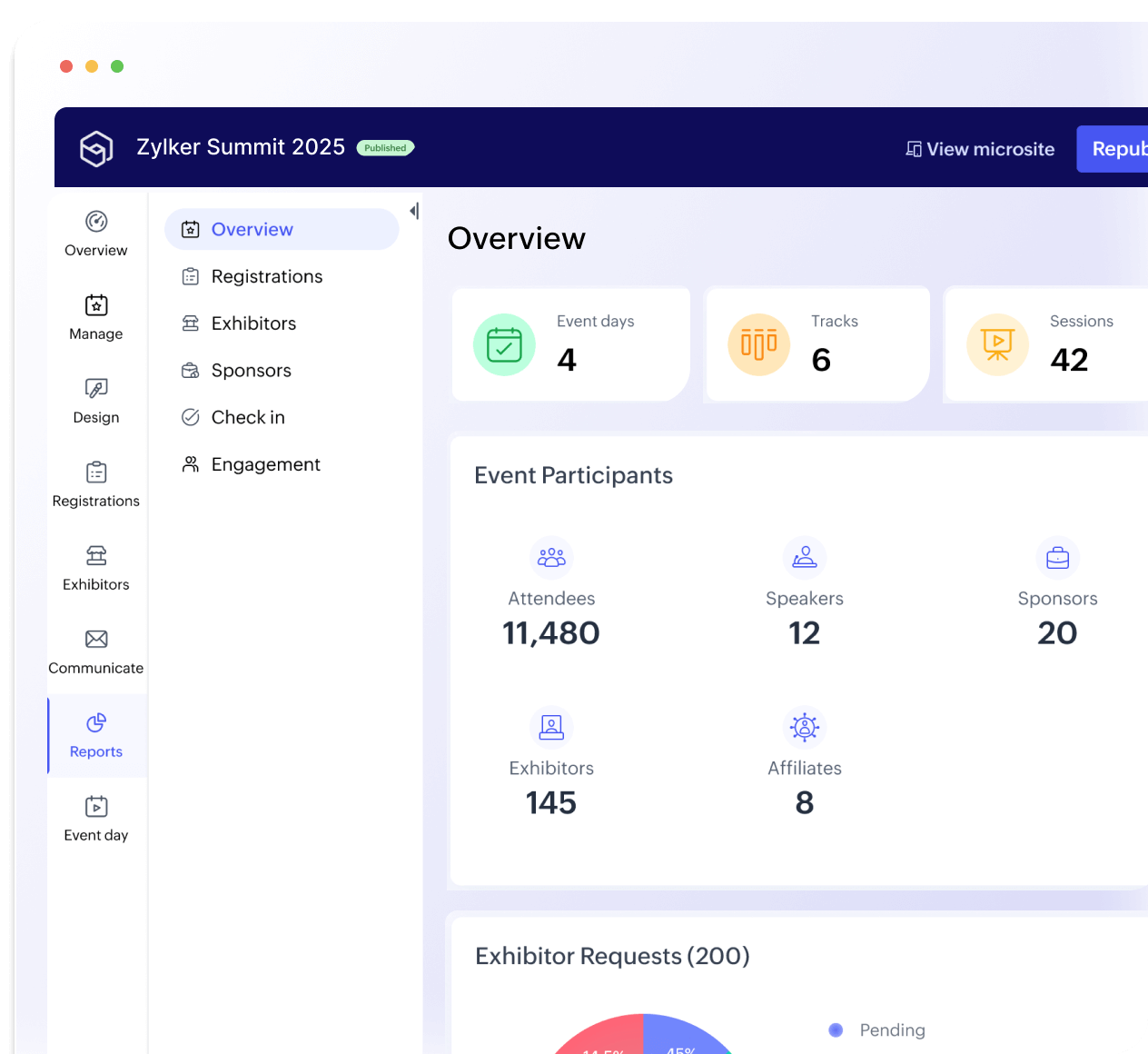
Treat it like a ticketing page, but for volunteers to sign up. Platforms like Zoho Backstage let you build custom web pages where you can clearly describe each role and use custom forms to collect volunteer information and manage volunteer applications.

If you're planning to recruit a lot of volunteers, you can even embed the recruitment form from your applicant tracking platform into the custom page to keep everything in one place.

Manage applications and confirmations

Once your volunteer roles are live and applications start coming in, it's time to keep the momentum going. Don't wait more than a couple of days to respond because volunteers can lose interest fast.

When volunteers sign up, find out what they want to learn or accomplish. Assign roles that align with their goals. And always, keep a waitlist instead of outright rejecting extra applicants. Last-minute cancellations happen, and having a list of ready volunteers makes filling gaps much easier.

Pro tip: Send waivers with your acceptance email

The best time to collect liability waivers is right after volunteers are accepted. Give a firm deadline, ideally a week before the event, and be clear: no signed waiver, no shift. Waivers usually cover injury liability, photo/video consent, and acknowledgment of responsibilities.

Here's a sample waiver that Arizona State University gets all event volunteers to sign.

Who does what: Common event volunteer roles

From checking people in and guiding them through the venue to keeping sessions on schedule and capturing key moments, here are some key roles for which event managers hire volunteers.

  • Registration and check-in: These volunteers are the first face attendees see. They welcome guests, manage digital check-in, and hand out badges and event materials, setting the tone for the entire experience.
  • Information desk: After check-in, attendees often need guidance navigating the venue. These volunteers answer questions, provide directions, and help resolve minor issues like lost badges or schedule confusion.
  • Session monitors or hosts: Inside breakout rooms and main sessions, volunteers introduce speakers, manage Q&A, keep track of time, and handle basic AV tasks such as mic checks.
  • AV and tech support: When technical hiccups arise, these volunteers provide tier-1 support under professional supervision. Tasks include mic checks, slide advancement, and adjusting lighting to keep sessions flowing.
  • VIP and speaker liaison: Behind the scenes, volunteers escort speakers, manage green rooms, and handle special requests for high-priority attendees.
  • Social media and content capture: Throughout the event, these volunteers document key moments with photos, videos, and live social media updates, helping extend your event's reach beyond the venue.

Finally, there's the floater. They are volunteers who can jump in wherever they're needed most. One morning, they might assist with registration, then move to lunch duty in the afternoon, and later help with session support or crowd management.

They're great for filling gaps, covering last-minute needs, and keeping the event running smoothly whenever unexpected situations arise.

5 best practices for managing volunteers at events

Getting the right people is only half the job. How you manage them determines whether your event runs smoothly or feels chaotic. From clear communication to hospitality options, the following event management best practices help you keep volunteers motivated and ready to deliver a great attendee experience.

Check-in and check-out

Volunteer check-in might seem like a formality, but it's one of the most important systems you'll set up. It's your foundation for safety, accountability, and smooth operations. In an emergency, you need to know exactly who's on-site and where they are.

You can set up a visible, clearly marked area just for volunteers. A simple "Volunteer Check-In" sign saves a lot of confusion.

Or better yet, use an event management platform like Zoho Backstage that supports self-check-in. Volunteers can check in directly through your event app. To keep things running even faster, pre-print badges and share them a day or two before the event, so everyone's ready to go on event day.

Similarly, check-out matters just as much. It verifies their shift hours, confirms everyone left safely, and helps you collect gear, feedback, and quick testimonials while the experience is fresh. It's also your legal record of duty of care if anything goes wrong.

Volunteer briefing

Even the most enthusiastic volunteers can't succeed without clear direction. A solid briefing process keeps everyone informed, confident, and ready to represent your event well.

We suggest a two-part system: a written briefing sent 24–48 hours before the event, and a short, in-person standup on the day itself. The written brief should cover everything—individual assignments, shift times, venue maps, emergency procedures, contact numbers, and FAQs.

You can even schedule these updates to go out automatically using your event management platform. For example, in Backstage, you can segment volunteers into a separate email list and send out timed emails about waivers, insurance info, policies, and other must-reads—so no one misses key details.

For technical or higher-responsibility roles, consider adding a short hands-on training session before the event day. Walk them through registration software, check-in systems, or basic AV troubleshooting. Include a venue tour highlighting key areas and restricted zones.

The morning standup should be no more than 15 minutes. Keep it upbeat and focused: outline the day's flow, confirm team assignments, review safety protocols, and end with a quick Q&A. This is also the perfect time for a quick event risk and safety refresher—what to do in case of a medical issue, evacuation, or lost attendee. Everyone should know where to go, who to call, and how to respond under pressure.

Volunteer policies and guidelines

Once your volunteers are onboarded and trained, you need one more foundation in place—a clear set of policies and guidelines. This isn't about red tape; it's about consistency, safety, and professionalism. Your volunteer policy should cover:

  • Code of conduct: How volunteers are expected to represent your organization—attitude, punctuality, and professionalism.
  • Attendance and substitution: What to do if someone can't make a shift, and how replacements are handled.
  • Communication protocols: Who to contact for different issues and how updates will be shared (e.g., WhatsApp, event app, text chain).
  • Confidentiality and media use: Whether volunteers can post on social media, take photos, or share internal information.

Clear guidelines protect both your event and your volunteers. They reduce liability, ensure fair treatment, and help everyone feel secure in what's expected. Here's a sample volunteer policy doc from DigiMarCon that you might find useful.

Volunteer experience

Volunteers give your event their time and energy, and how you treat them determines whether they come back next year. A thoughtful hospitality setup shows respect, keeps morale high, and helps your team perform at its best.

Start with a dedicated volunteer space. It doubles as a mini command center, supply station, and safe place if someone feels unwell. Post key info like event schedules, coordinator contacts, and emergency procedures here so everyone knows where to look.

Also, anyone working more than three hours should get a full meal, not just snacks. Include these volunteers in your catering numbers. You can mark meal eligibility on badges or wristbands so catering teams know who's covered. It keeps lines moving and avoids awkward "who gets what" moments.

Finally, don't overlook parking and transport. Make sure volunteers know exactly where to go, whether that's a reserved lot, a rideshare drop-off point, or a public transit stop. Send parking passes or codes in advance and reimburse transit fares. Volunteers should never pay out of pocket to help with your event.

Communication

Clear communication is what keeps your event team running smoothly. Volunteers shouldn't have to guess where to check for updates—or juggle five different apps to get answers.

We suggest you start with a dedicated #volunteer-support channel where team members can ask quick questions or flag issues in real time. Other options are #registration, #tech-support, #catering, and #emergency-only.

This prevents information overload and ensures messages go where they're needed.

Streamline volunteer management with Zoho Backstage

Managing volunteers well is about more than filling roles. It's about clear expectations, proper training, thoughtful support, and seamless communication. When volunteers feel prepared, appreciated, and connected, they perform better and elevate the entire attendee experience.

Zoho Backstage centralizes everything in one platform, giving you the tools to handle each stage efficiently. You can pre-assign roles, schedule shift reminders, and manage check-in and check-out digitally—reducing bottlenecks on event day.

Beyond volunteers, Zoho Backstage supports all aspects of event management: check-in and badging, a no-code website builder, zero-commission ticketing, and full support for virtual and hybrid events.

FAQs

Plan roughly one volunteer per 20–25 attendees for standard events, or one per 15 attendees for multi-session conferences. Add extra for specialized roles like registration, tech support, or catering, and include area leads for events with 200+ attendees. Always recruit 10–15% more volunteers than needed to cover no-shows.

Start recruiting 6–8 weeks before your event. This gives 2–4 weeks to attract volunteers, 2 weeks for commitment and scheduling, and 1–2 weeks for training. For large or recurring events, consider a year-round volunteer database and send reminders one week and two days before the event to reduce no-shows.

Yes. Most organizations require liability waivers covering injury, photo consent, and role acknowledgment. Check your institution's policies and insurance requirements. Collect waivers at check-in, keep both digital and physical backups, and maintain accurate check-in/out records for emergency accountability.

Recruit extra volunteers, implement automated reminders, and require check-in 30 minutes before shifts to identify gaps early. You can also maintain an on-call list or flex-role staff to cover essential positions. Simplify last-minute duties so remaining volunteers can absorb tasks without specialized training.