Here are 10 of the best UiPath alternatives to consider in 2026

Zoho RPA
If you're looking for a straightforward, low-code RPA tool that doesn't require heavy IT involvement, Zoho RPA is a practical option. It's designed to automate repetitive tasks and UI interactions across web and desktop applications without needing advanced technical skills.
With a drag-and-drop workflow builder, an RPA recorder for capturing screen actions, and native integration with the wider Zoho ecosystem, it's built for quick adoption. You also get access to 1000+ third-party connectors, which can be helpful if your workflows span multiple platforms. Transparent pricing and cross-platform support make it accessible for teams just getting started with automation or looking to scale gradually. You can also explore Zoho RPA in action by booking a free demo.
Highlights
Pricing
Starts at /month
Includes a free version and trial Free plan
Features
- RPA recorder
- Visual drag-and-drop
- OCR and PDF automation
- 1000+ app integrations
- Support for Windows, macOS, and Linux
Best suited for
Businesses of all sizes exploring automation in IT, finance, retail, and other operational areas
Why teams choose Zoho RPA
Businesses using Zoho RPA are improving turnaround time, accuracy, and operational efficiency
60K+
patient records recovered without rehiring staff

6 hrs/day
saved on manual UI work across 17 automated processes

80–90%
accuracy on automating PDF and image-based workflows
40 → 5 days
claim settlement backlog cleared from weeks to days

Automation Anywhere
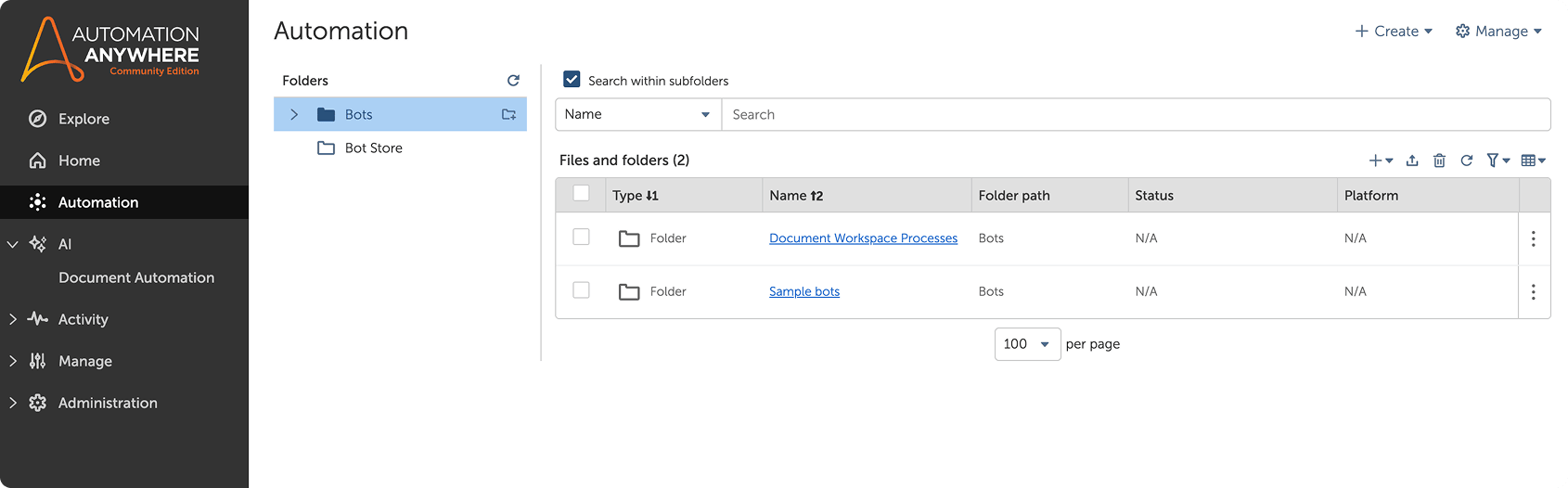
Automation Anywhere is one of the prominent UiPath competitors, if you're exploring enterprise-grade alternatives. It's a fully cloud-native solution built for enterprise-scale automation, combining traditional RPA with generative AI, AI agents, and tools for process discovery and orchestration.
You'll find support for both attended and unattended bots, along with strong governance features and scalability, which makes it a good fit for larger organizations with complex automation needs. The pricing is usage-based and aligns with enterprise budgets, but there's also a basic version and a free trial if you're looking to explore it before a full rollout.
Highlights
Pricing
Starts around $9,000 per year; usage-based, with a free trial and basic plan
Features
Drag-and-drop builder, OCR, image recognition, compliance tools, and workflow automation
Best suited for
Enterprise teams in operations, finance, and IT working with high-volume or complex processes

Microsoft Power Automate
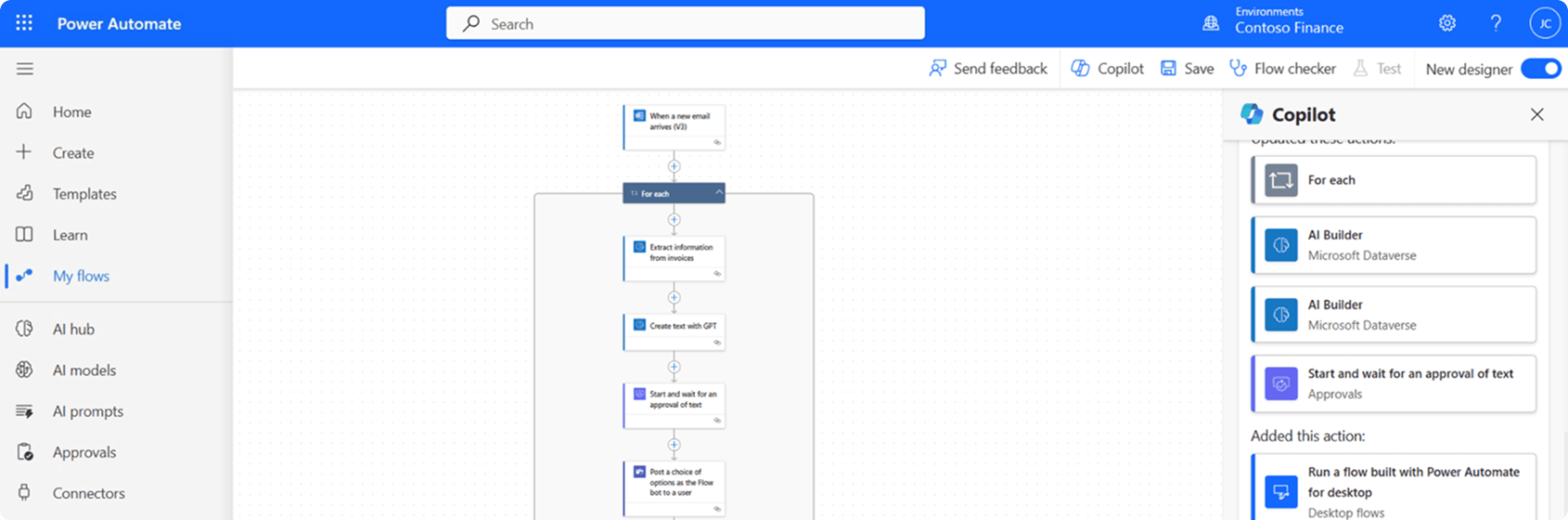
Power Automate is a great fit for teams already using Microsoft tools, offering an easy way to extend automation without the need to switch platforms. It blends workflow automation with desktop RPA and supports attended, unattended, and even hosted automation, giving you the flexibility to tackle a wide range of use cases.
While it's tightly integrated with Microsoft 365, Dynamics, and Azure, it's not limited to just Microsoft tools—its large connector library makes it easy to bring in third-party apps, too. Power Automate runs on Windows 10 and 11, and, often, it's already included in existing Microsoft subscriptions, making it a convenient option for teams that want to get started without added overhead.
Highlights
Pricing
Starts around $15/user/month; some plans bundled with Microsoft 365
Features
Desktop flows, attended and unattended automation, AI capabilities, triggers, and integration with third-party apps
Best suited for
Organizations using Microsoft tools across departments like IT, finance, and operations

Blue Prism
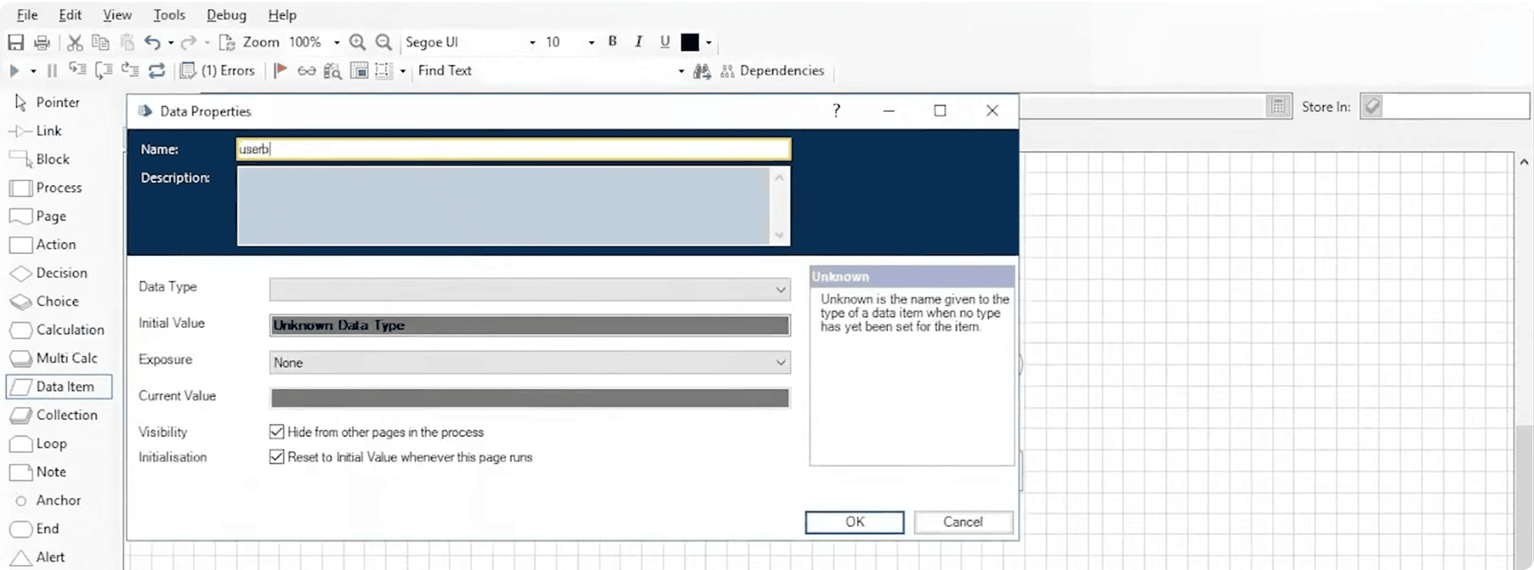
For organizations with complex workflows and strict compliance needs, Blue Prism offers a powerful mix of RPA, AI, and business process management. It's built to support large-scale deployments—helping enterprises automate repetitive tasks, connect systems, and drive more intelligent decision-making.
You'll find features like real-time decision automation, prebuilt assets, and enterprise-grade security baked in. That makes it especially well-suited to industries like banking, insurance, and healthcare, where control and governance are essential. Pricing is custom and aimed at large-scale deployments.
Highlights
Pricing
Follows a custom model based on the number of licenses and deployment requirements.
Features
Combines RPA, AI, and BPM to handle complex workflows, real-time decision-making, and automation at scale
Best suited for
Large enterprises in regulated industries like finance, healthcare, and insurance

TruBot by Datamatics
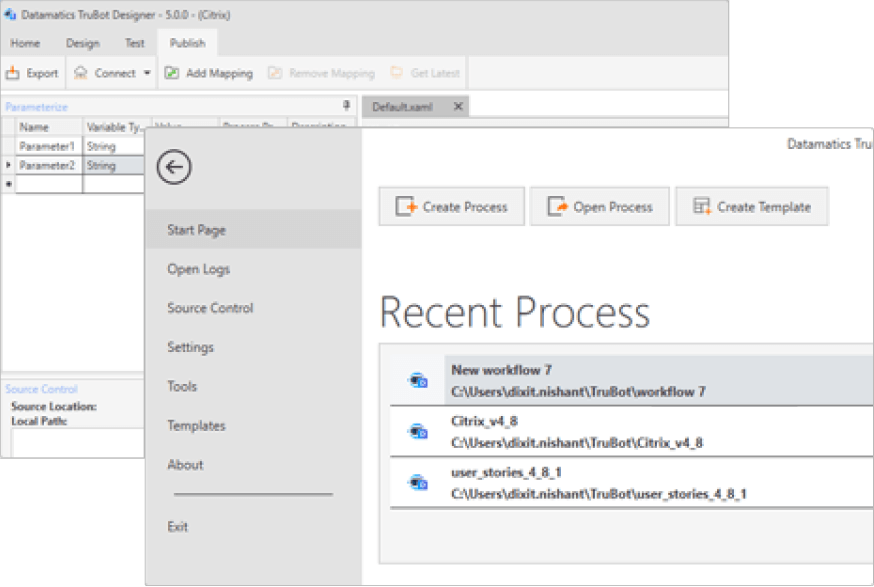
If you're looking for an RPA platform that can handle both simple and complex tasks with ease, TruBot is worth exploring. It combines traditional RPA with GenAI capabilities, letting you build bots using natural language prompts and offering a visual designer that makes it easier to automate without deep technical skills.
TruBot comes with over 600 prebuilt components and supports both attended and unattended automation. It also includes strong security controls, real-time analytics, and a zero-footprint bot setup, so you can deploy and manage automations efficiently, even across distributed teams.
Highlights
Pricing
Starts at around $99/user/month, depending on licenses and deployment scale
Features
Visual bot builder, GenAI copilot, intelligent OCR, real-time performance monitoring, and zero bot footprint
Best suited for
Enterprises in sectors like banking, healthcare, and logistics automating complex, repetitive tasks at scale
Ready to explore the best UiPath alternatives?
Try Zoho RPA
IBM Robotic Process Automation
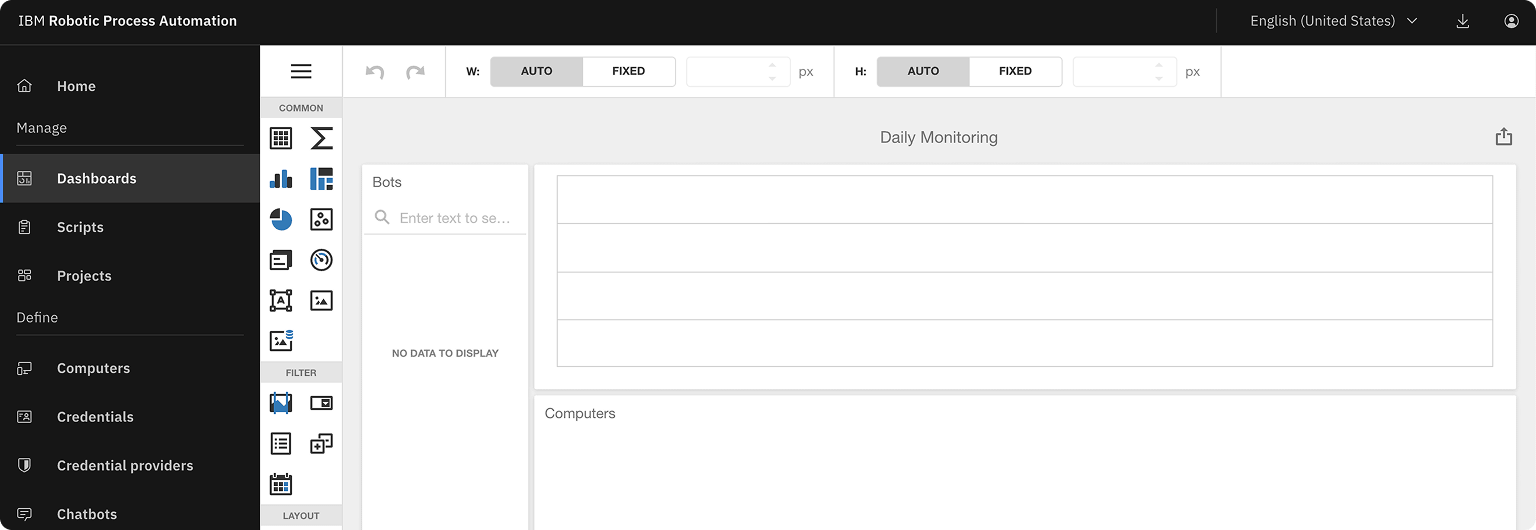
IBM RPA is an AI-powered automation platform that uses software bots to replicate human actions and streamline repetitive back-office tasks. Whether you're running attended or unattended bots, IBM offers the flexibility to automate tasks across departments without adding complexity.
The platform supports chatbot integration, document processing, and Windows-based systems, making it a versatile option for businesses focused on boosting productivity. With straightforward licensing and flexible deployment options, it’s especially useful for teams aiming to move quickly on digital transformation.
Highlights
Pricing
Custom pricing based on deployment size; simple licensing model
Features
AI-powered bots, document handling, chatbot integration, Windows compatibility, and unattended/attended automation
Best suited for
Companies ready to scale intelligent automation across operations, customer support, finance, and more
AutomationEdge
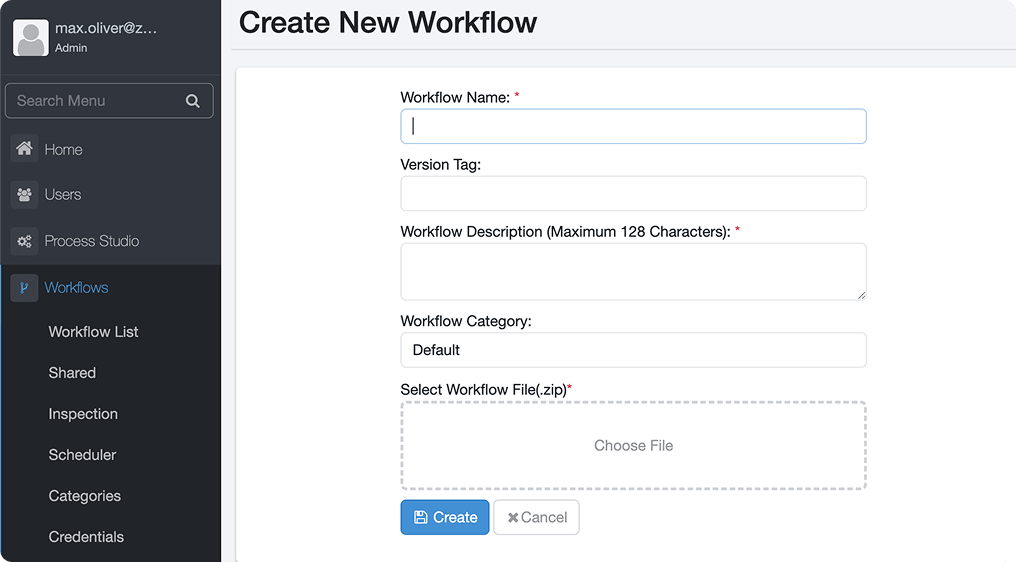
AutomationEdge is one of the leading UiPath competitors, offering a unified automation platform that blends RPA with AI, machine learning, ETL, and IT process automation, making it a solid fit for organizations aiming to automate more than just routine tasks.
What makes it stand out is its extensive bot library filled with ready-to-use connectors and automation assets. These speed up deployment across IT, HR, finance, and customer service teams, especially when time to value matters. From automating password resets to orchestrating complex, multi-step processes, AutomationEdge is built to scale with your organization’s needs, without requiring everything to be built from scratch.
Highlights
Pricing
Based on process volume, complexity, and multi-threaded bot usage
Features
Combines AI, RPA, and IT automation with prebuilt bots for IT, HR, finance, and CRM; integrates with platforms like Salesforce and ServiceNow
Best suited for
Organizations automating both rule-based tasks and full-scale business workflows across departments

Appian RPA
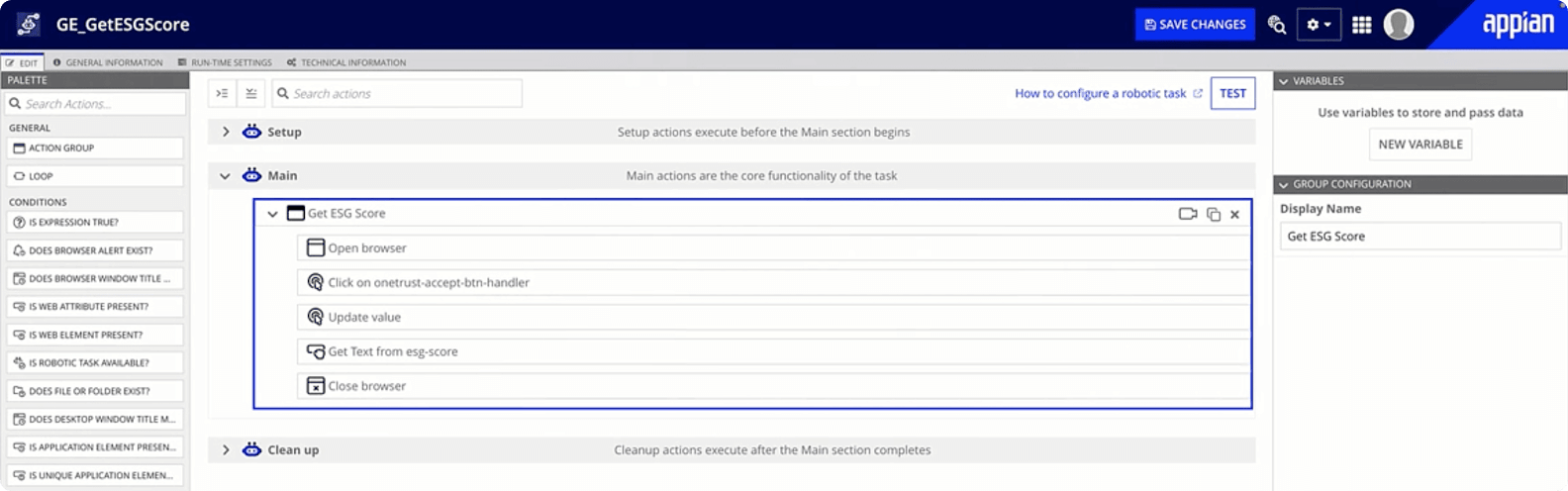
If you're exploring a broader automation platform that combines RPA with low-code tools, AI, and workflow orchestration, Appian RPA gives you a cohesive space to design, automate, and manage your business processes. It's built to help teams coordinate operations more efficiently without jumping between disconnected systems.
Rather than switching between tools or building automations in silos, Appian helps connect your people, systems, and data. That unified setup can be especially helpful when you're trying to scale automation across departments or keep things aligned as processes grow more complex.
Highlights
Pricing
Available upon request, based on platform usage and automation needs
Features
Low-code automation, process design, AI orchestration, real-time monitoring, data integration
Best suited for
Teams looking to coordinate complex workflows and drive efficiency through one centralized automation platform

Rocketbot
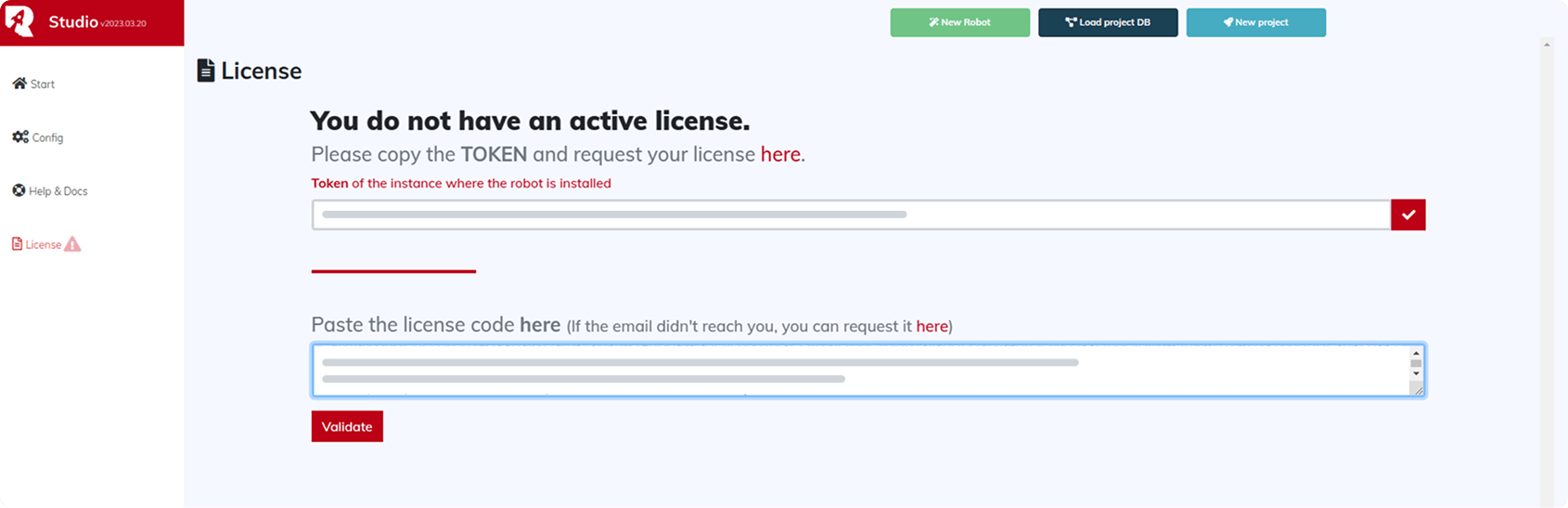
Rocketbot brings a flexible approach to RPA, built to support a wide range of automation needs, from small-scale tasks to larger, more complex workflows. With options for both cloud and on-premises deployments, it fits comfortably into different IT environments. The platform runs on Python, supports parallel bot execution, and offers a visual interface that makes it accessible to both technical and nontechnical users.
Its open, modular design makes it easy to expand automation across teams, and features like OCR and NLP bring added capability when needed. With multiple pricing tiers, including a free trial, Rocketbot gives you room to explore and scale at your own pace.
Highlights
Pricing
Free trial available; paid plans range from $2,400 to $6,900/year based on usage and deployment
Features
Visual designer, support for attended/unattended bots, OCR, NLP, cross-platform compatibility
Best suited for
Teams looking for a customizable, scalable automation platform that fits varied operational environments

Robocorp
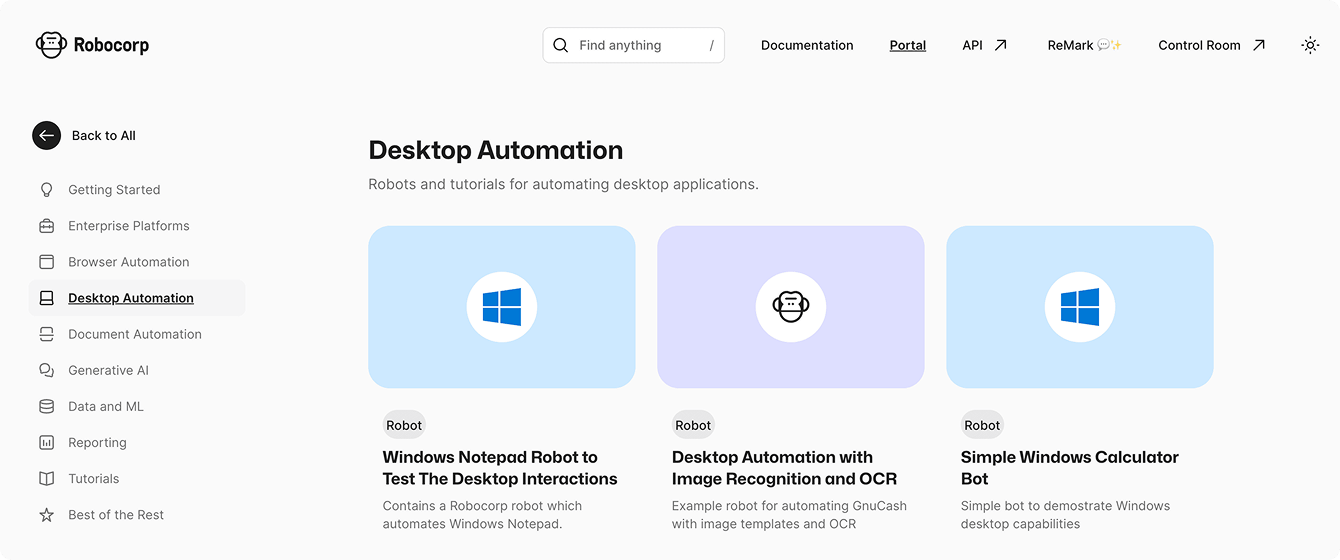
Robocorp takes a developer-friendly path to automation, offering a Python-based, open-source platform that gives teams full control over how bots are built and managed. It's especially well-suited to organizations that prefer coding over low-code tools and want the freedom to integrate automation into their existing development workflows.
With support for CI/CD pipelines, cloud-native execution, and a pay-as-you-go pricing model, Robocorp removes the need for upfront licensing. It’s a strong fit for teams that want to scale automation on their own terms, using familiar tools without vendor lock-in.
Highlights
Pricing
Free tier available; Starter plan at $49/month with 240 run minutes, $0.10 per extra minute.
Features
Python-based framework, open-source tools, cloud execution, CI/CD integration
Best suited for
Developer teams looking for flexible, code-driven automation with full stack visibility