Project management software for manufacturing industries
It takes innumerable convoluted processes to modify raw materials into a finished product—and that's just the start. Leave the hard work to Zoho Projects, our powerful manufacturing project management software that can automate your workflows, conquer disruptions, and help release high-quality products.
Get Started





Common challenges facing the manufacturing industry
Quality has left the chat
Consistency in quality is fundamental to any manufacturing firm. But this is easier said than done. Poorly managed workflows, a lack of automation, inaccurate demand forecasts, and the absence of risk management can set off a domino effect, leading to dissatisfied customers and, ultimately, tainted brand reputation.
Cybersecurity in jeopardy
While you use digital tools to create products your customers love, you also run the risk of being exposed to cybersecurity threats that can cost your highly sensitive data and manufacturing processes dearly, placing product quality and data integrity in peril.
Today's weather: Unknown demand forecast
Sometimes, erroneous demand forecast calculations can leave your project hanging by a thread, significantly impacting inventory, throughput, and financial planning. Consequentially, revenue suffers, and customers are left discontented.
Supply chains fail to deliver
The steady functioning of a supply chain warrants efficient inventory management, a robust risk management plan, minimal wastage, and end-to-end visibility. While a lean lean Six-Sigma approach can certainly help, unprecedented environmental and geopolitical friction can often be devastating, giving rise to unforeseen losses, decreased efficiency, and low-grade deliverables.
Industry-specific solutions
Process manufacturing industries
Distinct raw materials are combined here and undergo repetitive processes to manufacture identical finished products. Food, chemical, and pharmaceutical industries can all benefit from project management, which helps with constant supervision and automation of workflows.
Discrete manufacturing industries
Distinct, identifiable end products are created here—automobiles, construction materials, toys, furniture, clothes and more. Project management can help with setting cost-cutting measures and quality standards, as well as establishing proper inventory control.
What manufacturing industries need
Lean manufacturing
Reduced wastage and enhanced efficiency help roll out end products of unparalleled quality.
Efficient management
Periodic inventory checks, close monitoring of workflows, budget control, and continual improvement processes minimize product defects and inconsistencies.
Data analytics
To stay ahead of the game and keep customers satisfied, investing in software that analyzes current data, predicts future trends, and spots bottlenecks along the way is essential.
Automated workflows
Introducing automation to manufacturing operations reduces human error, latency, and lead time, ensuring only high-grade products make it to the conveyor belt.
Rigid security measures
Potential security lapses can be prevented and sensitive data can be safeguarded by conducting regular training sessions and implementing security policies.
Build your projects, your way

Custom Modules
Bring your manufacturing operations into custom modules and run your projects with the same precision, real-time visibility, and control like you would on your shop floor.
Custom Reports
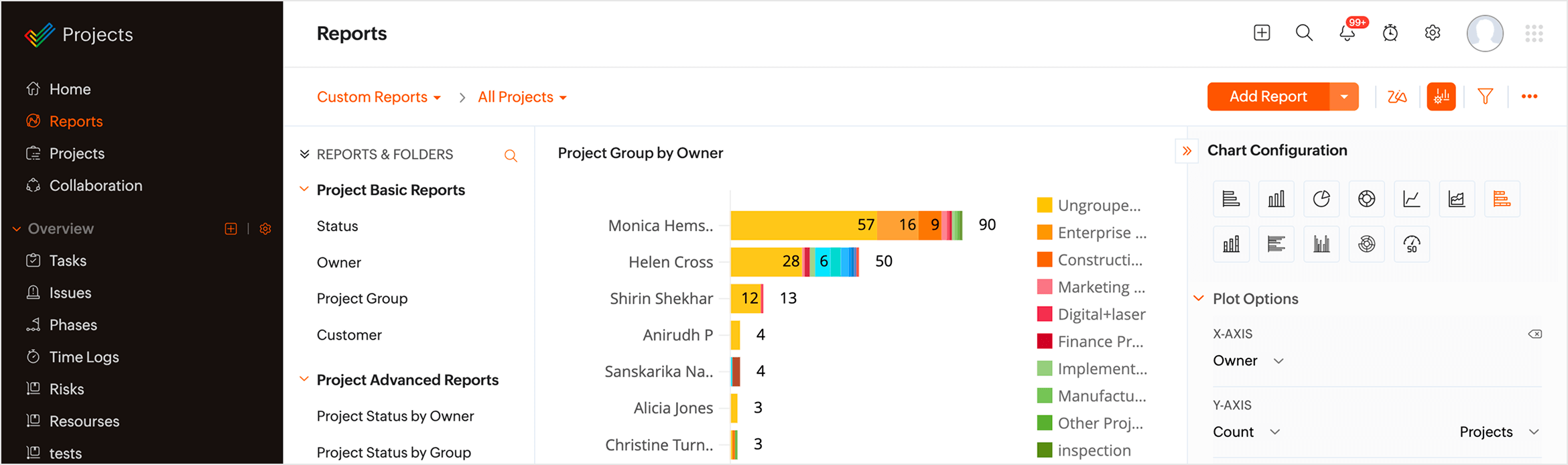
Capture critical insights into different phases of your manufacturing projects—right from design to delivery, all while adhering to your objectives.
Custom Dashboards
Model your dashboards to reflect defect patterns, stock levels, or workforce performance through charts, graphs or bars.
Drill down into data
- Gather real-time end-to-end updates on custom modules that can be personalized to accommodate your unique quality metrics.
- Gain actionable Zia insights into your performance with our intuitive Custom Reports and Dashboards.
- Increase visibility into progress, reduce downtime, and carry out risk mitigation in real-time.
Customize your manufacturing projects
Turning raw materials into unique, real products of value warrants more than just your rudimentary project management software. That's why we introduced custom modules, so you can customize your journey to plan, track, and manufacture quality deliverables.
Inventory and Material Tracking
- Establish complete control over the movement of materials, right from purchase to consumption and reduce misinformation.
- Cut back on errors, evade risks of theft, and keep your supply chains optimized. Skip last-minute purchases.
- Better material oversight translates to lower operational costs, better forecast, and smarter inventory management.

Defect Tracking
- Reliable monitoring of defects helps flag them early on. Reduce wastage, avert overruns, and create solid contingency plans.
- Automate your workflows to log defects and evaluate their severity. Conduct root cause analysis and prevent risky missteps.
- Capture defects in real-time before they slip through the cracks. Bring efficiency to your defect management process.

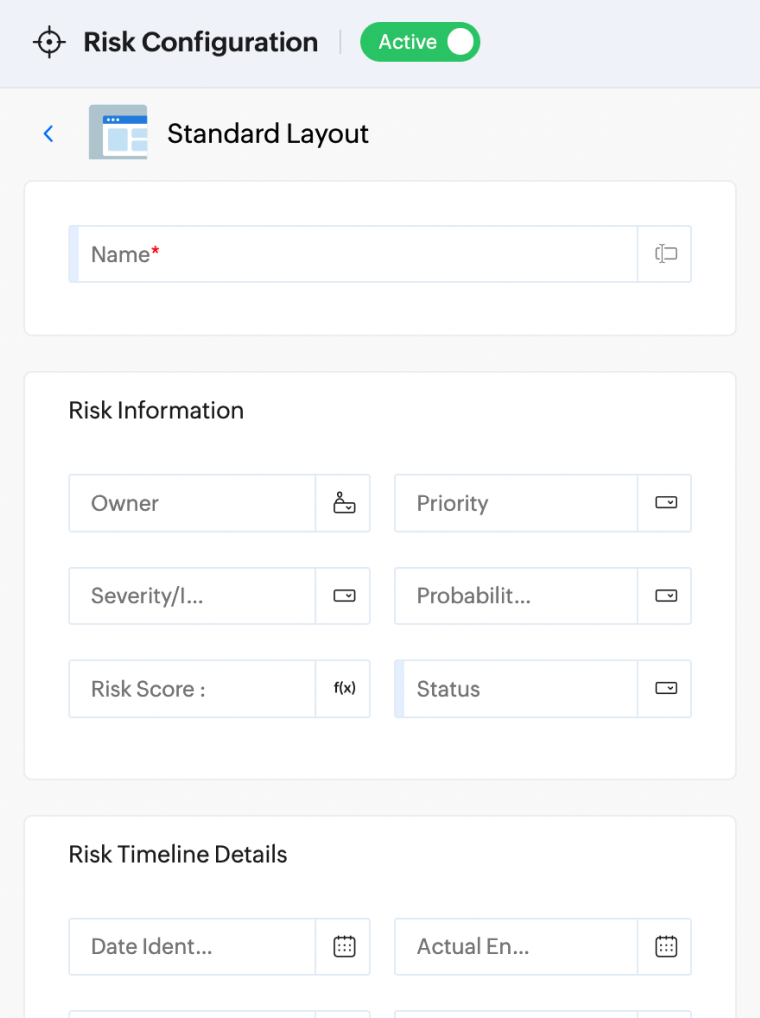
Risk Management
- Navigate an ever-changing risk landscape by assessing risks, evaluating their significance, and developing proactive strategies.
- Mitigate risks such as equipment failure or supply chain disruptions with timely identification, measurement, and monitoring.
- Log meticulous risk information as and when you identify one, and empower ownership of risk management among teams.
Bill of Material Tracking
- A well-structured BOM acts as a centralized hub for product-related information, bringing quality to production runs.
- An organized list of components delivers precise cost estimates—minimize defects, optimize budget runs, and ensure uniformity.
- The standardized format of a BOM helps trace issues to specific components, aiding in risk resolution and warranty claims.

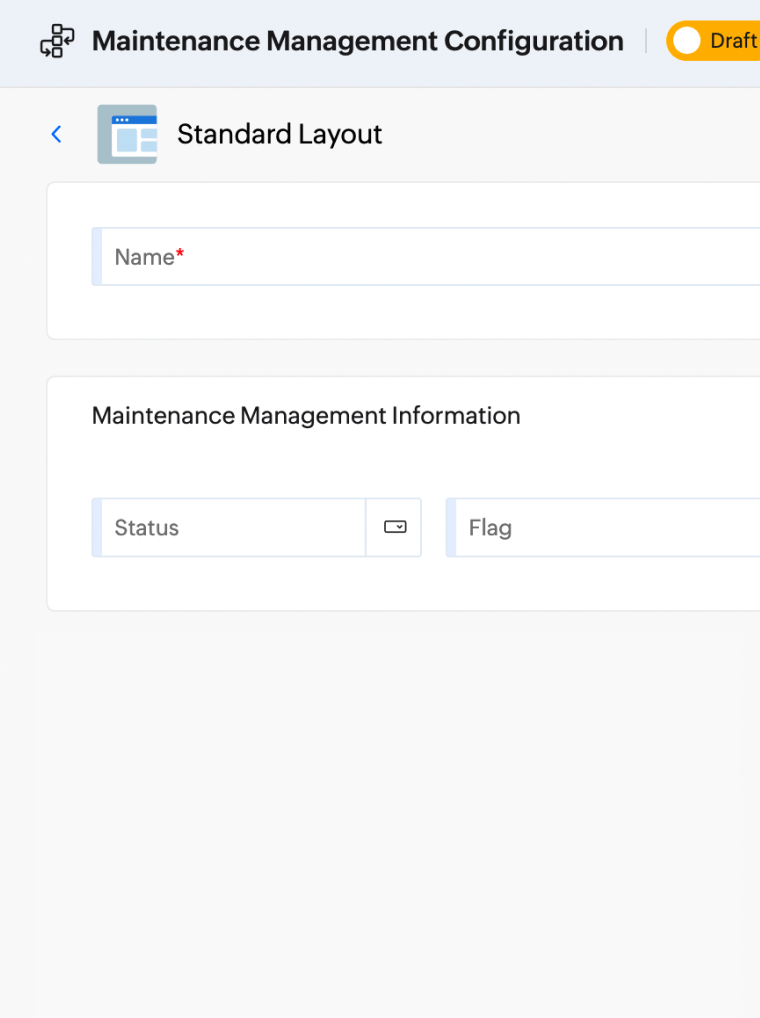
Maintenance Management
- Centralize data on custom modules to avoid unpleasant surprises and ensure the optimal functioning of machinery.
- Surface Zia insights and leverage them to schedule repairs, predict malfunctions, and extend the lifespan of equipment.
- Dig deeper into machine failures. Excavate underlying reasons through extensive Root Cause Analysis and prevent repeat issues.
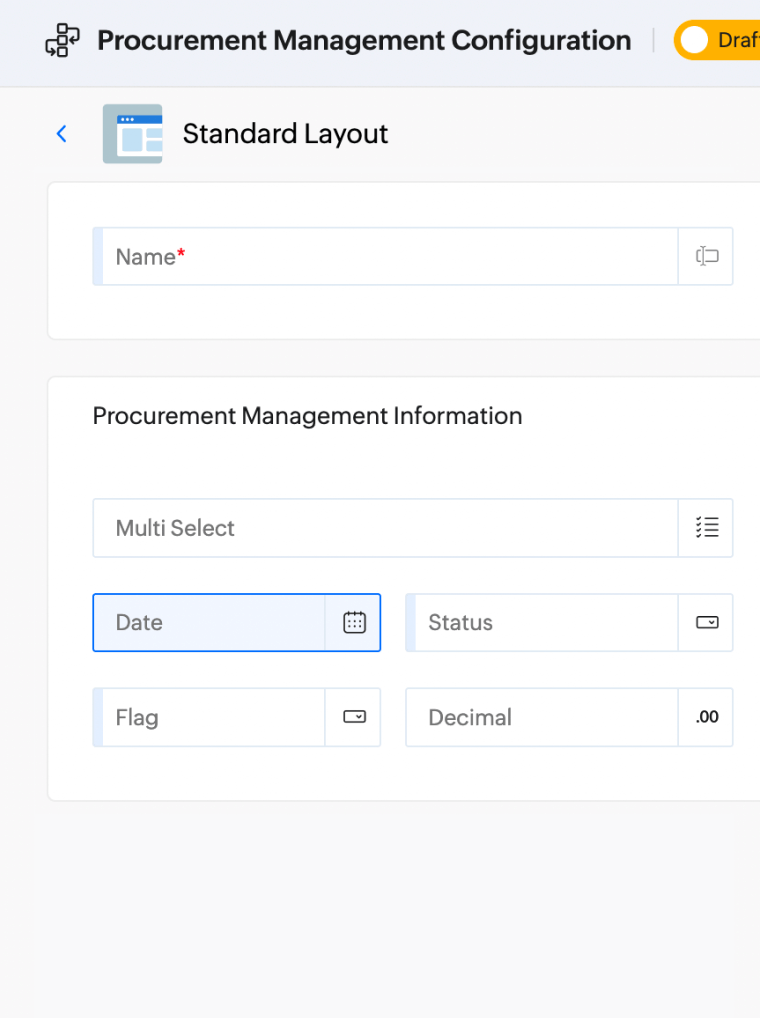
Procurement Management
- Receive real-time visibility into inventory levels, forecast requirements, and make actionable decisions through Zia's insights.
- Source materials strategically to align with your core objectives. Stay ahead of financial, legal, and production troubles.
- Stabilize expenses, increase profit margins, and standardize every process that comes after by choosing the right materials.
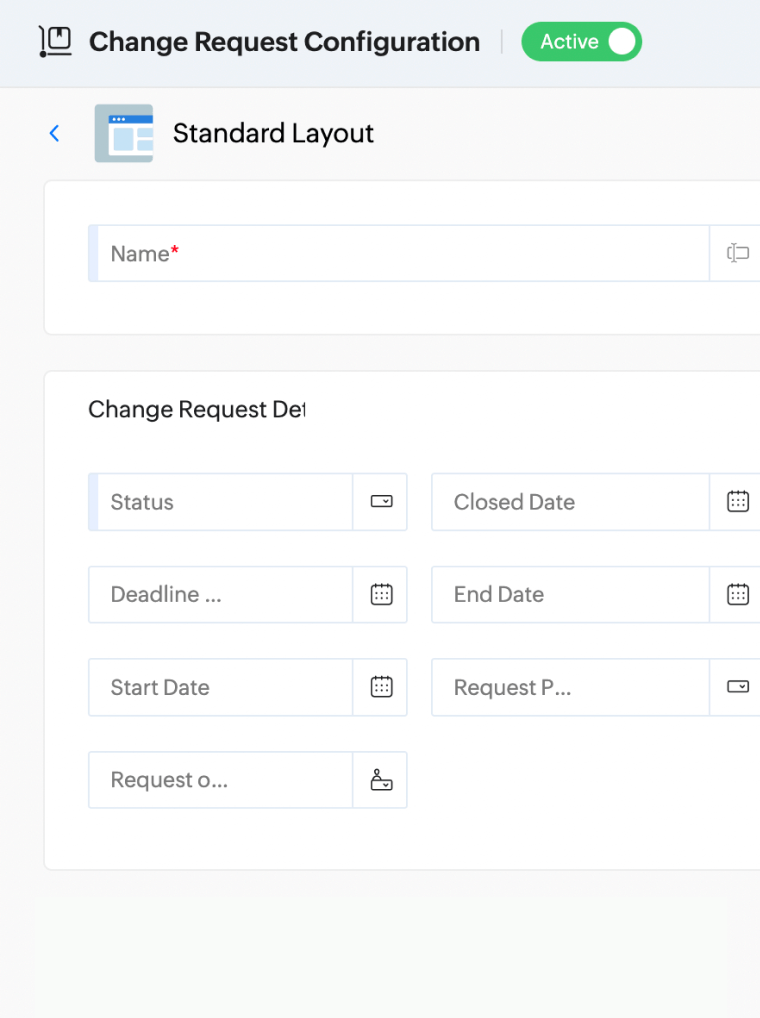
Change Request
- Attach formalized change request forms, outline key information and improve manufacturing processes.
- Keep data centralized for stakeholders to effectively implement the proposed change request and bring about radical change.
- Link your change request module with all relevant modules and consolidate interdependent information in one place.
How Zoho Projects gets you there
Whatever your need, our blueprints and workflow rules streamline your supply chains and assembly lines and automate repetitive tasks, so you can consistently deliver quality to customers, as promised.

The Feed, Forum, and Discuss modules relay information through chats and team audio and video calls, keeping everyone on the same page, so you never miss a beat, and nothing slips through the cracks. Speedily communicate wastage, latency, or downtime and receive instant feedback.

A central warehouse for compliance and quality control documents, bills of materials, SOPs, and work orders, our Documents module securely houses your critical folders. Waste no time slumped over a pile of paperwork, rummaging for that one important document, when you can find everything you need in one place, any time. Manage preferences and grant access permissions only to personnel you trust.

The Workload Report module zooms into the tasks allocated to every person in your workforce, allowing you to swap tasks according to individual ability, making way for a fair work distribution system and a kaizen-friendly workforce.

Create unlimited versions of Zoho Projects with Custom Modules. Gain actionable insights into your performance and stay aligned with your predetermined quality metrics with our Custom Reports and Dashboards that gather end-to-end updates. Increase visibility into progress and facilitate risk mitigation uniquely.

Leverage the Gantt chart, for an illustrative representation of your processes, and the kanban board, to meticulously track and seamlessly progress from one process to another with a simple drag-and-drop. Minimize risk, wastage, and defects while simultaneously increasing efficiency, consistency, and quality.

Intelligence for the Modern Team
With Model Context Protocol (MCP), you can analyze all your project data and surface insights in seconds, right from one, unified window.
Model Context Protocol
Model Context Protocol (MCP) now lets you integrate Zoho Projects, along with several other Zoho products, directly with your preferred Generative AI model. Query project data, pull task histories, and generate insights without switching windows.
- Predict machine slow down at specific loads
- Detect non-compliance patterns
- Compare predicted versus actual capacity usage
- Analyze historical project data
- Seamlessly integrate with third-party tools
Agentic AI COMING SOON
Agentic AI takes this further by enabling Zia to act autonomously on your behalf. You define the rules and let the agent handle the mindless, repetitive work.
- Predict material shortage
- Auto-generate weekly progress reports
- Recommend optimized workforce planning
Handy integrations
Here are a few integrations that further increase Zoho Projects capabilities and functionality. That’s not all. Connect with other applications or easily build your own extensions with our Marketplace.
Explore Now










“Zoho Projects has disrupted our project management process, unifying work and creating visibility at very step.”
Frequently Asked Questions
Manufacturing project management software is designed to help manufacturers plan, organize, and execute production projects, from design to delivery. It prioritizes tasks, distributes resources, plans production schedules, and centralizes manufacturing documentation to improve project visibility, enable cross-team coordination, and ensure on-time delivery.
Zoho Projects helps automate manufacturing processes through features like workflow automation that manages recurring tasks and production milestones and blueprints that automate approvals. The Gantt chart, Kanban, Project Timeline, and the Collaboration module improve shop floor and office collaboration and streamline production planning processes.
Yes, absolutely! Zoho Projects improves on-time delivery through real-time project tracking, dependency management, and automated alerts. With the Gantt chart, Status Timeline, and Kanban, teams can spot production bottlenecks, reduce manufacturing delays, and set practical delivery timelines.
You can readily integrate Zoho Projects with ERP systems, manufacturing accounting software, CRM software, and document management tools. With these manufacturing software integrations, you can manage project execution, procurement, finance, and inventory workflows from one place.
Zoho Projects facilitates manufacturing quality control by tracking inspections, automating approvals, implementing quality checks, and taking corrective actions right within your projects. With Zoho Projects' in-built audit trails, centralized documentation, and granular access control, you always keep your manufacturing projects compliant.
Zoho Projects' reporting and analytics features provide data-driven project reports, custom dashboards, and workload charts that can track progress, milestone adherence, resource utilization, and production delays, helping improve manufacturing efficiency and project performance.
Zoho Projects can be implemented by using pre-defined manufacturing project templates that you can use to create projects in just a few seconds. With its fast onboarding, minimal setup, and intuitive project management interface, Zoho Projects helps you streamline production operations, setup workflows, and deliver manufacturing projects on time.
Using task management software for managing manufacturing projects can help increase productivity, meet pre-defined standards, and keep errors to a minimum. Listed below are some top task management tools that you can use for manufacturing sectors.
- Task Management System for Construction Material Manufacturing Industry: Specialized software that helps manage supply chains, track construction material orders, and ensure on-time delivery of materials.
- Project Management Software for Food Industry: Software that provides real-time tracking of production schedules, ingredient sourcing, packaging, and distribution.
- Task Management Software for Furniture Manufacturing Industry: Streamlines production processes by tracking assembly line tasks, material sourcing, and shipment schedules.
- Task Management Software for Pharmaceutical Manufacturing Industry: Tracks manufacturing schedules, regulatory compliance tasks, and quality assurance checks.
- Task Management Software for Engineering Goods Manufacturing Industry: Coordinates design, prototyping, production, and testing phases while tracking material usage, labor resources, and product quality.
- Task Management Tool for Chemical Manufacturing Industry: Helps track chemical production batches, manage safety protocols, and monitor environmental impact.
- Task Management App for Electronics Manufacturing Industry: Supports tracking of component assembly, quality testing, and shipping.
- Task Management Software for Rubber Manufacturing Industry: Helps streamline the rubber production process by optimizing raw material management.
- Task Management Tool for Garment Manufacturing Industry: Tracks production stages from design to assembly, manages supply chain logistics.
- Task Management Software for Automobile Manufacturing Industry: Manages vehicle production lines, part manufacturing schedules, and assembly tasks.
- Task Management Software for Machinery Manufacturing Industry: Tracks the production of machinery parts, equipment assembly, and final testing specifications.
- Task Management Software for Footwear Manufacturing Industry: Coordinates design, production, and shipment of footwear.
- Task Management App for Equipment Manufacturing Industry: Tracks equipment production, assembly line tasks, testing, and shipment.
- Task Management Software for Paper Manufacturing Industry: Manages production schedules, inventory, and raw material sourcing.