A complete guide on attracting and managing event sponsors the right way

From sponsor outreach to post-event ROI reports, this guide covers everything event planners need to secure and manage event sponsorships with confidence.

You may have an amazing event plan, an awesome venue locked in, the speakers are signed up, and the social media is already buzzing with excitement. But has it all been within your budget? That's where it starts to sting.

And that's when it hits you: "I need sponsors."

But getting event sponsorships isn't as easy as sending a pitch deck and waiting for a yes. It's a game of relationships, timing, value exchange, and (let's be real) a little bit of selling your concept to someone and making your event, partly theirs. You've got to anticipate what sponsors want, what you can offer, and how to keep them invested enough to come back for your next gig.

We'll discuss how event sponsorship really works, explore some of the smartest event sponsorship strategies, and see how Zoho Backstage can make sponsor management way smoother, faster, and less chaotic.

Event sponsorship management

Event sponsorship management in 2026

What exactly are event sponsorships?

Event sponsorships are mutually beneficial partnerships between event organizers and brands. Sponsors contribute money, products, or services to support your event. In exchange, they gain visibility, brand exposure, and access to your audience—creating value on both sides.

But that's just the surface. A good sponsorship goes beyond a logo on a banner. It's about shared goals. Sponsors want brand exposure, new audiences, and meaningful engagement, not just their logo splashed everywhere.

Global spending on corporate sponsorships has gone up by 20-40% and global brands are expected to reach $189.5 billion by 2030. Why? Because live and hybrid events create real, human connections. And that's the kind of marketing brands crave.

For event planners, securing sponsors means offsetting costs, increasing event credibility, and adding value for attendees. But to make it work, you need to nail both sides of the equation: attraction and management.
The art of attracting the right event sponsors and retaining them

Here's the thing: not every sponsor fits your event. And that's okay.

The trick is to match your event's vibe, audience, and goals with a brand that aligns. Here's a simple roadmap that most successful planners swear by:

1. Know your event inside-out

Before reaching out to sponsors, be crystal clear about your event's purpose, target audience, and measurable outcomes.

What kind of people will attend? What's their buying behavior? What value can a sponsor get out of being there?

When you can answer these, your pitch automatically feels sharper and more relevant.

2. Build a sponsor persona

Yes, just like a buyer persona, but for sponsors.

Ask yourself:

  • What industries benefit most from your event audience?
  • Are they looking for lead generation, brand awareness, or thought leadership?
  • What budget range do they typically allocate for event sponsorships?

This approach makes your outreach 10x more personalized and compelling.

3. Craft sponsor packages that actually make sense

Sponsors are tired of "Gold, Silver, Bronze." It's predictable and bland. Instead, think of creative categories that align with your event's theme or experience.

For example:

  • "Networking Lounge Partner"
  • "Tech Innovation Sponsor"
  • "Wellness Experience Partner"

4. Lead with value, not desperation

When you pitch, flip the perspective. It's not about "we need funds"; it's about "here's how your brand will shine."

Include real data, like expected footfall, past engagement rates, social reach, attendee demographics. Sponsors love measurable numbers. So, show them that data. If you've hosted past events, highlight success stories or ROI examples from previous sponsors.

If you want more insights on building successful partnerships, here are some expert tips to get sponsorship for your event.

The right way to build an irresistible sponsorship proposal

A strong sponsorship proposal does three things: tells a story, shows value, and makes it easy to say yes.

Here's a quick structure:

  • Intro: Briefly describe your event, theme, and audience.
  • Why you? Share what makes your event unique and valuable for the sponsor.
  • Sponsorship opportunities: Break down categories, deliverables, and pricing.
  • ROI promise: Explain how they'll measure success (leads, impressions, engagement, etc.).
  • Call to action: Be clear on next steps (schedule a call, request more info, etc.).

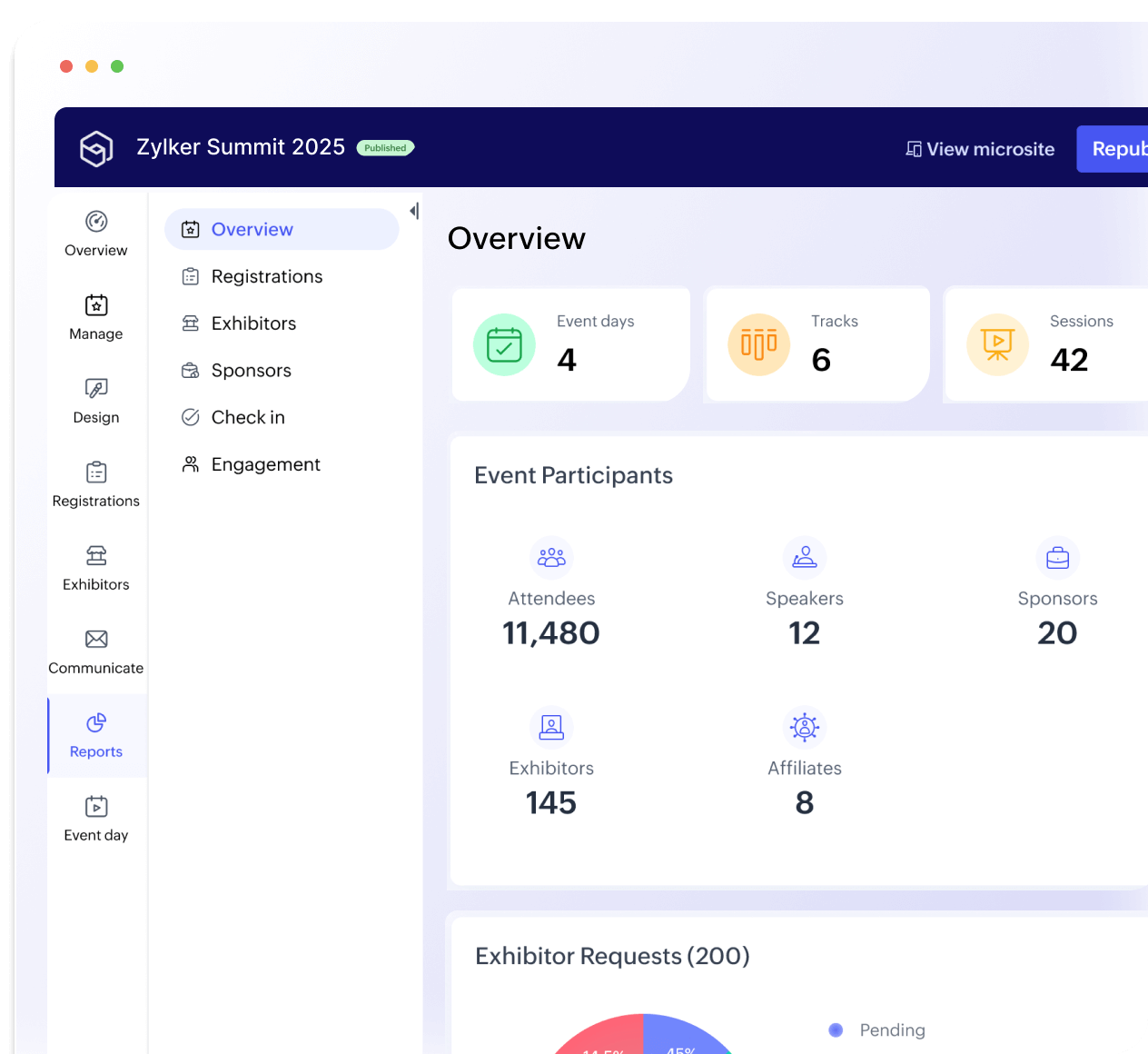
With Zoho Backstage's sponsorship management features, you can make tier-based custom sponsorship packages to attract sponsors of all sizes. Plus, it's all centralized, reducing those "Wait, did we promise them a session shoutout?" moments.

4 smart event sponsorship strategies that actually work

Let's talk about tactics. The stuff that makes sponsors want to work with you again.

1. Start early

The best sponsorships come from long-term relationships, not last-minute scrambles. Start outreach at least six months before your event.

Early sponsors get better placement, and you get more time to tailor experiences for them.

2. Focus on co-creation

Sponsors don't just want exposure; they want involvement.

Invite them to co-host sessions, moderate panels, or create unique activations tied to their brand story. It gives them deeper engagement with your audience and makes the experience more memorable.

3. Keep communication transparent

One of the biggest pain points event sponsors mention? Lack of updates. Sponsors want to feel involved and informed throughout the event cycle, not just during the pitch and the final report. They expect regular touchpoints, clarity on what's happening behind the scenes, and reassurance that their investment is being executed exactly as promised.

That's where Zoho Backstage helps big time. You can manage sponsor contacts, deliverables, and visibility reports all in one place. From tracking logo placements to session credits, you can show sponsors exactly what value they're getting without messy spreadsheets or endless email threads.

4. Track deliverables and visibility

Sponsors expect accountability; they want to know that every banner, booth, shoutout, and mention they paid for was actually delivered. Clear documentation and real-time visibility help avoid confusion, prevent missed commitments, and show sponsors that you take their investment seriously.

Backstage lets you assign and monitor every sponsorship perk: booth location, banners, speaking slots, or digital placements.

And after the event? You can generate a sponsorship performance report that details impressions, engagement, and ROI. It's the ultimate trust-builder for long-term sponsor retention.

How to manage sponsor relationships like a pro?

So, you've now secured your sponsors. But now comes the harder part: keeping them happy and satisfied with event outcomes. Here's how to manage sponsor relationships so they keep coming back:

1. Deliver what you promised without any exceptions

Sponsors notice when things slip. If their logo doesn't appear where it was supposed to, or if their booth isn't getting enough traffic, trust erodes.

The best way to avoid this is to stay proactive. Double-check deliverables, communicate any changes immediately, and make sure your internal team knows exactly what each sponsor is expecting. A clear workflow and constant monitoring help ensure nothing falls through the cracks.

Use your sponsor management dashboard in Zoho Backstage to stay on top of every deliverable. It keeps you (and your team) accountable.

2. Offer post-event reports

Sponsors crave data and transparency in reporting the results. Share engagement stats, attendance numbers, and performance metrics soon after the event.

You can easily pull this from Zoho Backstage's real-time analytics, showing how their investment translated into brand visibility and audience reach.

3. Collect feedback

Ask sponsors what worked and what didn't. It's the easiest way to improve next time and show them you value their input.

4. Keep the conversation going

Don't ghost your sponsors once the event's done. Stay in touch.

Share updates, upcoming event teasers, or audience insights. Long-term sponsor loyalty comes from consistent communication, not just once-a-year pitches.

Common mistakes to avoid in sponsor management

Even the most experienced planners mess up sometimes. Here are some classic event sponsorship mistakes you'll want to dodge:

  1. Treating sponsors as funders, not partners: They're collaborators. Involve them in brainstorming and engagement activities.
  2. Overpromising and underdelivering: Don't sell benefits you can't guarantee. Transparency wins every time.
  3. Ignoring smaller sponsors: Big brands are great, but smaller sponsors often turn into your most loyal supporters.
  4. No clear ROI measurement: Sponsors want proof. Tools like Backstage make ROI tracking simple, with clear dashboards and analytics.
  5. Not customizing packages: Cookie-cutter sponsorships don't impress anyone anymore. Use flexible tiers and add-ons that align with each sponsor's objectives.

How to tailor sponsorships for different types of events?

Each event type demands a different sponsorship playbook. Here's a quick look:

In-person events

Sponsors love tangible experiences, like booths, banners, product displays, stage time. You can use a floor plan builder to map out exhibitor zones and booths to give sponsors prime visibility.

Virtual events

Here, visibility means screen time, for logo overlays, sponsored breakout sessions, digital ads, or polls. You can use webcasting tools and branding controls to integrate sponsors seamlessly without disrupting the event flow.

Hybrid events

A blend of both worlds. You can design packages that include both on-site presence and digital exposure, like live-stream shoutouts, sponsor-backed virtual lounges, or hybrid meetups.

The more flexible and data-driven your approach, the better your chances of impressing sponsors across all formats.

How to measure sponsorship success after an event?

If you can't measure it, you can't improve it. Measuring event sponsorship ROI isn't just about counting logos; it's about tracking engagement and proving impact.

Metrics to focus on:

  • Brand impressions: This includes everything from social media mentions and website clicks to how often attendees interacted with your event app. The goal is to show sponsors how widely their brand traveled across all touchpoints, digital and on-site.
  • Lead generation: Sponsors want to know how many qualified leads they gathered. Whether it's scanned badges, sign-up forms, or session interactions, these numbers help sponsors evaluate the true business value of their involvement.
  • Audience engagement: This represents how actively attendees interacted with the sponsor by visiting booths, answering polls, joining Q&As, or engaging in sponsored activities. High engagement signals strong alignment between the sponsor's offering and audience interests.
  • Conversion metrics: This is where sponsorship ROI becomes crystal clear. Track how many people took the next step and requested demos, signed up for trials, made purchases, or booked a follow-up call. These insights help sponsors connect event visibility to real business outcomes..

Zoho Backstage lets you capture all this data to make sure that you can link sponsor performance with attendee engagement analytics. So you're not guessing who got value; you're showing it with numbers.

Manage sponsors the right way with Zoho Backstage

You've seen how complex sponsor management can get. Negotiations, contracts, deliverables, ROI tracking; it's a lot.

Zoho Backstage simplifies it all. From creating sponsor categories and tracking deliverables to analyzing visibility metrics, it's the all-in-one platform that helps event planners manage every sponsorship touchpoint with ease. Whether you're organizing a small community event or a massive conference, Backstage gives you the tools to secure, manage, and grow sponsor relationships effortlessly.

FAQs

Ideally, begin outreach at least six months before your event. This gives sponsors time to review proposals, allocate budgets, and plan activations.

Base your pricing on audience size, visibility opportunities, and the tangible benefits each sponsor tier offers. Avoid random flat rates.

Focus on ROI and audience relevance. Use real data like past attendance, engagement metrics, and audience profiles instead of generic promises.

Overpromising benefits, neglecting post-event reports, and treating sponsors as funders instead of partners are major red flags to avoid.

Maintain clear communication, share post-event performance insights, and keep them involved year-round, not just during the event cycle.