Digital ticketing platforms change how you manage entry, communicate with attendees, and understand who shows up. The benefits stack—better security also means faster check-in, and better data leads to smarter pricing.
1. Easy access and instant ticket delivery
Friction often begins immediately after someone buys a ticket. They get a confirmation email with a PDF and are expected to print it. Many people don't have a printer handy, so they save it for later, forward it to work, or forget about it altogether. It's a small hurdle, but it makes attending feel more of a chore than it needs to be.
Digital tickets remove that step. Once someone completes a purchase, the ticket is sent immediately—by email, SMS, or WhatsApp. There's nothing to print and nothing to remember to do later.
This becomes especially important when timing is tight. If someone is invited an hour before the event and buys a ticket on their phone while commuting, a digital ticket works. A printed one doesn't.
Saving tickets to Apple Wallet or Google Wallet makes entry even easier. The ticket automatically appears on the phone near the venue, instead of requiring people to scroll through emails looking for a barcode.
For organizers, that means smoother check-in and fewer last-minute questions. For attendees, it's one less thing to think about on event day.
2. Better security and fraud prevention
Paper tickets break down at large-scale events. They are not safe either. They're easy to copy, and a decent printer can produce fakes that look legitimate. By the time a duplicate is caught at the door, the fraud has already happened, and the person holding the fake ticket is understandably upset.
Digital tickets are safer. Each ticket is given a unique, encrypted QR code tied to a single purchase. When it's scanned, the system checks it against a live database. If the code has already been used or doesn't match, the entry is blocked immediately.
What makes this effective is real-time sync. Scanning devices stay in sync, so the same ticket can't be used at multiple entry points. If someone tries, the second scan fails on the spot instead of slipping through unnoticed. Some platforms also surface scan history—showing when and where a ticket was last used—so staff can respond in real time.
In fact, a Ticketmaster report found that 83% of attendees value digital event tickets because it's easier to prevent fraud.
3. Streamlined check-in with reduced wait times
Long entry lines shape how people feel about your event before it even starts. Standing around in bad weather or crowded entryways puts attendees in a bad mood, and that frustration doesn't disappear once they're inside.
Digital tickets make entry much smoother. Instead of stopping to check names or paper tickets, an attendee just shows their phone, the code is scanned, and they walk right in. There's nothing to sort through and nothing to double-check—it either works or it doesn't.
The time savings add up fast at scale. A manual check can take 15–20 seconds per person. A QR scan usually takes 2–3 seconds. Multiply that across hundreds or thousands of attendees, and the difference is the gap between a short, steady flow and a backed-up entrance.
Check out this video to see how Zoho Backstage helped India Mobile Congress check in 100,000+ attendees across a multi-day event with zero hassle.
And for outdoor events, the benefits are even clearer. Paper tickets don't survive rain, wind, or heat very well. Digital tickets remain accessible on phones and wallets, ensuring entry is more reliable regardless of the weather.
4. Lets attendees update ticket details without support tickets
Digital ticketing platforms also make it easier for attendees to update their own information after they've registered. If someone needs to change a dining preference, update accessibility requirements, or modify a swag selection, they can do it directly from their ticket link or event portal instead of contacting support.
Those changes don't just sit in a form. Updates are automatically synced across connected systems—your check-in setup, catering lists, merchandise counts, and internal reports—so teams are always working with current information.
This matters most in the lead-up to the event, when details change frequently. An attendee updates their meal choice the night before the event, and the catering list reflects the change immediately. There's no manual reconciliation, no last-minute spreadsheets, and no risk of working from outdated data.
💡 Pro tip: Connect your event ticketing with your CRM and vendor tools so any updates attendees make—like preferences or requirements—sync automatically without manual follow-ups.
5. Cuts paper waste and printing overhead
Paper makes up roughly 26% of landfill waste, and event tickets contribute to that over time. Each printed ticket requires paper, ink, and often packaging. Across hundreds or thousands of attendees, the impact adds up. Digital tickets eliminate that waste by a significant margin, and the environmental benefit is both direct and measurable.
Paper tickets also create downstream waste at the venue. They're dropped, left behind, or discarded at exits, adding to cleanup efforts. Digital tickets don't generate litter and don't require disposal.
Attendees also recognize the difference. A Ticketmaster report found that 88% of attendees appreciate the eco-friendly nature of digital tickets. That matters not just for adoption, but for perception—sustainability choices signal intent, and people notice them.
The footprint extends beyond paper. Printing consumes energy, and mailing or on-site distribution adds transportation emissions. Digital delivery avoids both, making it a lower-impact option overall.
6. Better visibility into who attends, and how they engage
Paper tickets show how many were sold. Digital tickets show who bought them, when they arrived, how long they stayed, and whether they've attended before. Sales data goes beyond totals. You can see page visits, conversion rates, and which channels drive purchases. That makes it easier to adjust marketing spend based on actual performance.
This data becomes useful very quickly. You can show a sponsor exactly who's showing up—where attendees are coming from, how often they return, and which sessions they spend time in. On the marketing side, it allows you to treat people differently: regulars might get early access or upgrades, while first-time attendees get reminders instead of generic blasts.
Real-time check-in data improves operations. You know how many people are inside, when arrivals peak, and which entrances are congested. For catering and staffing, this reduces waste and the risk of last-minute shortages.
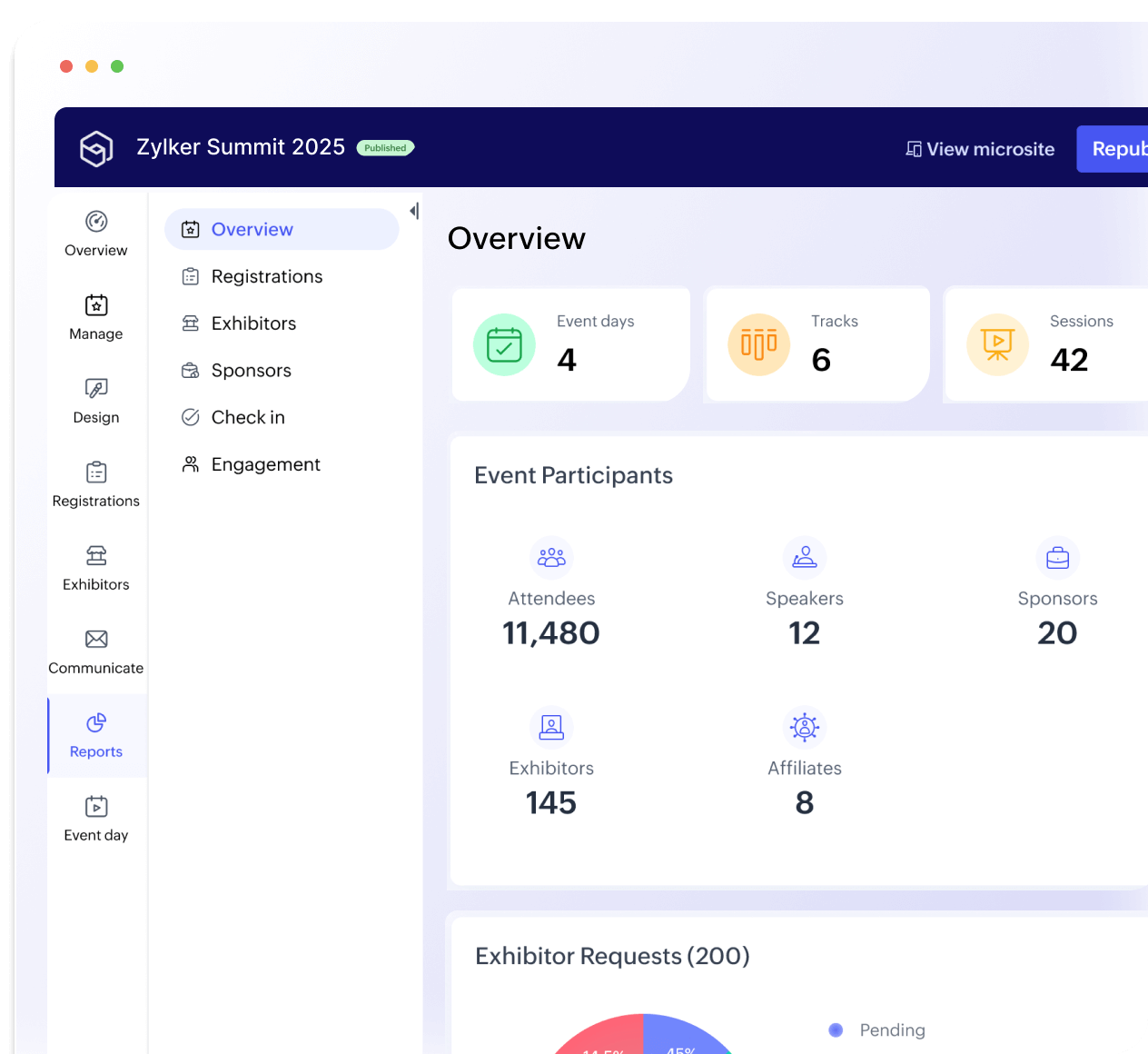
For example, in Zoho Backstage's ticketing system, when you sell tickets, you get granular data on ticket sales by type, promo code, region, and more. And you can see all of this in real-time, using the event organizer mobile app. You even have an option to see which prospects left the registration process mid-way, so you can retarget them.
"Our favorite thing about Zoho Backstage is the ability to track ticket sales and watch the money come in!"
-- Matt, Event Coordinator, BusinessNZ
7. Easier ticket changes, transfers, and pricing
Plans change. Someone buys tickets for a group, and then one person can't make it. With paper tickets, that usually means coordinating a handoff or hoping the ticket reaches the right person in time. With digital tickets, transfers happen electronically and take minutes.
This becomes especially useful when people arrive separately. A group may come from different locations or arrive at different times. Digital tickets let each person carry their own pass on their phone, instead of relying on one person to hold everything.
Digital ticketing also makes transfers transparent and streamlined. When a ticket gets passed to someone else, you're no longer stuck with just the original buyer's details—you can see who's really showing up. Over time, that fills in gaps you'd otherwise never see. The same goes for waitlists. When someone cancels or capacity opens up, the next person moves in automatically, so you don't have to manage it manually.
Finally, there's the benefit of implementing a dynamic pricing model. You can offer early-bird rates, increase prices as availability drops, or run targeted discounts if demand slows. In short, your ticket prices can be updated in real time based on sales rather than being fixed when tickets are printed.
Zoho Backstage, for instance, lets you set up tiered discounts that apply automatically based on ticket quantity or total order value. This works great for group registrations, especially if you have a fixed attendee limit.