
Nothing's free on the internet: How barter built the AI economy
Perhaps no previous technology wave in history has mobilized capital at the speed or absolute dollar scale of the AI boom.
Worldwide spending on AI infrastructure, services, and software is forecast to reach a staggering $2.52 trillion in 2026 alone. To put that in perspective, the entire dot-com era drew only $100 billion in global venture capital in the year 2000—at the absolute peak of the bubble. Even when adjusted for inflation, the peak annual spending during the internet revolution is dwarfed by AI's capital allocation.
While there are several factors driving this meteoric rise, it's important to see the foundational asset that enabled this unprecedented flourishing of technology. In the AI economy, the primary input is data—trillions of tokens of human-generated text, images, and digital footprints accumulated over two decades of internet use.
This vast digital ocean, built largely on the very internet infrastructure the dot-com era pioneered, serves as the raw material for large language models (LLMs). Without this unprecedented repository of data ready for immediate exploitation, the multi-trillion-dollar AI explosion would have lacked its fuel entirely.
The price hidden in plain sight
How did this digital stockpiling become possible? It was the consequence of the way the tech platforms offered their services. Search engines, social media platforms, email providers—all were offered free of cost, requiring only a name, an email address, and a click on terms of service that people hardly read. An average user got access to these services without paying a cent.
But there's no such thing as a free lunch in this world. Those users sending emails, posting their thoughts on social media, and searching for their everyday needs paid an invisible price; the tech companies consolidated the data from every search, every post, every little online activity into digital profiles that revealed how people behave online with extraordinary granularity.
Why did they do this? Because users were never really the "real" customers of these companies—advertisers were.
The multi-billion-dollar business model of the modern internet goes something like this: Users generate a continuous trail of digital activity by using these services for free, which the tech platforms harvest and compile into detailed behavioral profiles. For advertisers, who are always on the lookout for better ways to target consumers, these profiles became invaluable assets. Instead of selling this data, tech companies built sophisticated prediction and targeting mechanisms on top of it, selling advertisers highly calibrated access to these precise audience segments. This enabled brands to craft hyper-targeted campaigns and influence user behavior with precision for their profit.
While platforms pitched this arrangement as a way to keep internet services free and accessible, what wasn't made obvious is that users are giving up something of value in exchange for these services, even if it wasn't monetary.
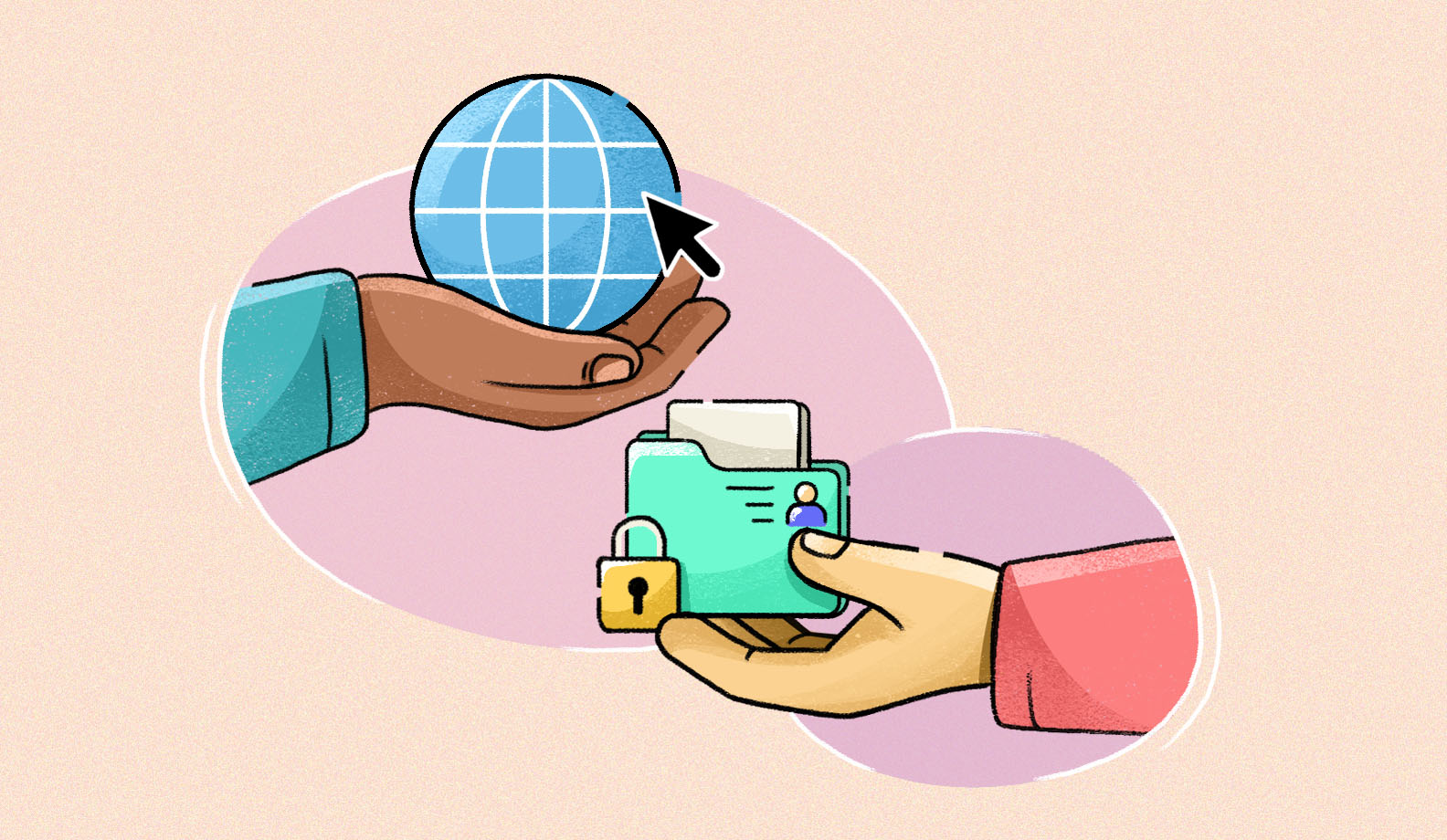
There's a name for such exchanges: barter. The ancient practice of swapping one commodity for another has metamorphosed in the digital age.
Recognizing the exchange
Writing in the Harvard Business Review, Gillian Tett, a financial journalist and anthropologist by training, argues that the business strategy of large tech platforms depends partly on non-monetary exchange (consumer data being collected in exchange for the provision of internet-based services), which makes the case for the barter interpretation.
"The idea that the modern tech economy depends on two-way—not one-way—flows is often lost in the public debate about data usage. Consumers are not just giving up data (which they sometimes hate), they’re also getting services in return (which they almost always like)," she writes. "This barter trade needs to be acknowledged to get an accurate picture of how the economy really works, and what companies are worth."
Tett argues that including the word "barter" into the vocabulary of corporate executives and government policymakers would force into view what "free" had been suppressing: the acknowledgment that both sides of this transaction have value, and both sides have terms.
Transparency as competitive edge
For two decades, this barter remained invisible—the convenience and utility of free digital tools apparently outbalanced the unseen cost of data tracking. But public skepticism, particularly after the AI boom exposed how data scraped from the internet for free were used to train LLMs, caught up with the data practices of the tech industry.
A survey by Malwarebytes captures the pessimism prevailing among users:
89% of users are concerned about their data being used by AI tools without their consent.
70% feel that there's nothing they can do to get back their personal data that's already out there.
77% regard most online activities—purchases, downloads, account creations—as ploys to take their data.
This wave of consumer distrust is an opportunity that most companies are completely missing. The businesses that act before regulation forces their hand will build something their competitors can't easily replicate: a customer relationship founded on terms both parties actually understand.
Businesses must acknowledge that something of value is being exchanged with customers and then set terms that they can actually understand and act on. What do transparent terms look like in practice? As Tett points out, customers should know what data is collected and why in plain language that reflects what is actually happening. They should have meaningful control over how long their data is retained. And they should be able to move their data between providers without friction.
This requires intent at the foundational level and not something that can be retrofitted. Which is why at Zoho, we made a pledge right at our inception never to sell customer data to third parties, never to misuse it, and never to show ads, even in the free version of our products. Three decades in business and over 150 million users later, we're still upholding that pledge while remaining profitable.
Since we realized early on that online advertising and user privacy don't mix, we haven't partnered with any advertisement providers in our network. This makes our paying customers the real customers, and not advertisers. We're vehemently opposed to extracting short-term revenue at the cost of long-term trust.
The word "data" derives from the Latin dare, which means "to give". When customers give their data to a service provider, they're extending not just information, but trust—a belief that what they give will be used in their interest, or at least not against it. The ad-funded model broke that belief. Acknowledging that the exchange has two sides and requires terms that both parties fully understand is a necessary condition for the data economy to be sustainable—one that allows trust, once broken, to be rebuilt.


