
A performance marketer launches three ad variations, lets the algorithm run for a week, and picks whichever one gets the lowest cost per click. That's how most teams "test" a message today. It works, sort of, but it only tells you which line performed better inside a live campaign, after money has already gone out the door. It never tells you why one message landed and the other didn't, or what a slightly different version might have done instead.
Message testing takes place before a campaign goes live, giving people the chance to react to different versions of the same message. They can explain what they think the ad is saying, which version they prefer, and what influenced their choice. A/B testing comes later, once the campaign is running, and measures which version performs better. When marketing budgets are tight, that early feedback can help improve the creative before media spend is invested in it.
What is message testing?
Message testing is a way of checking how people respond to different versions of a headline, ad, or value proposition before a campaign launches. Instead of relying on assumptions, brands ask a sample of their target audience which version is clearer, more convincing, or more likely to make them take action. The research is carried out through structured surveys rather than internal opinions. So, the feedback reflects how the intended audience is likely to respond.
Message testing is often confused with creative testing, although the two look at different things. Creative testing usually considers the ad as a whole, including visuals, video length, and format. Message testing focuses on the wording itself. It helps answer questions such as:
- Does the headline explain the value clearly?
- Does the call to action feel persuasive?
- Does the offer sound credible?
For teams working with limited advertising budgets, narrowing the research to one element at a time makes it much easier to understand what needs to change before the campaign goes live.
Why performance marketing needs this more than brand campaigns do
Brand campaigns often have more time to build awareness and shape perception over several months. Performance campaigns work differently. Results are reviewed much more frequently, with budgets and creative adjusted as new data comes in. If the message isn't working, it's not only engagement that suffers. Budget continues to go towards an ad that isn't delivering the results it could.
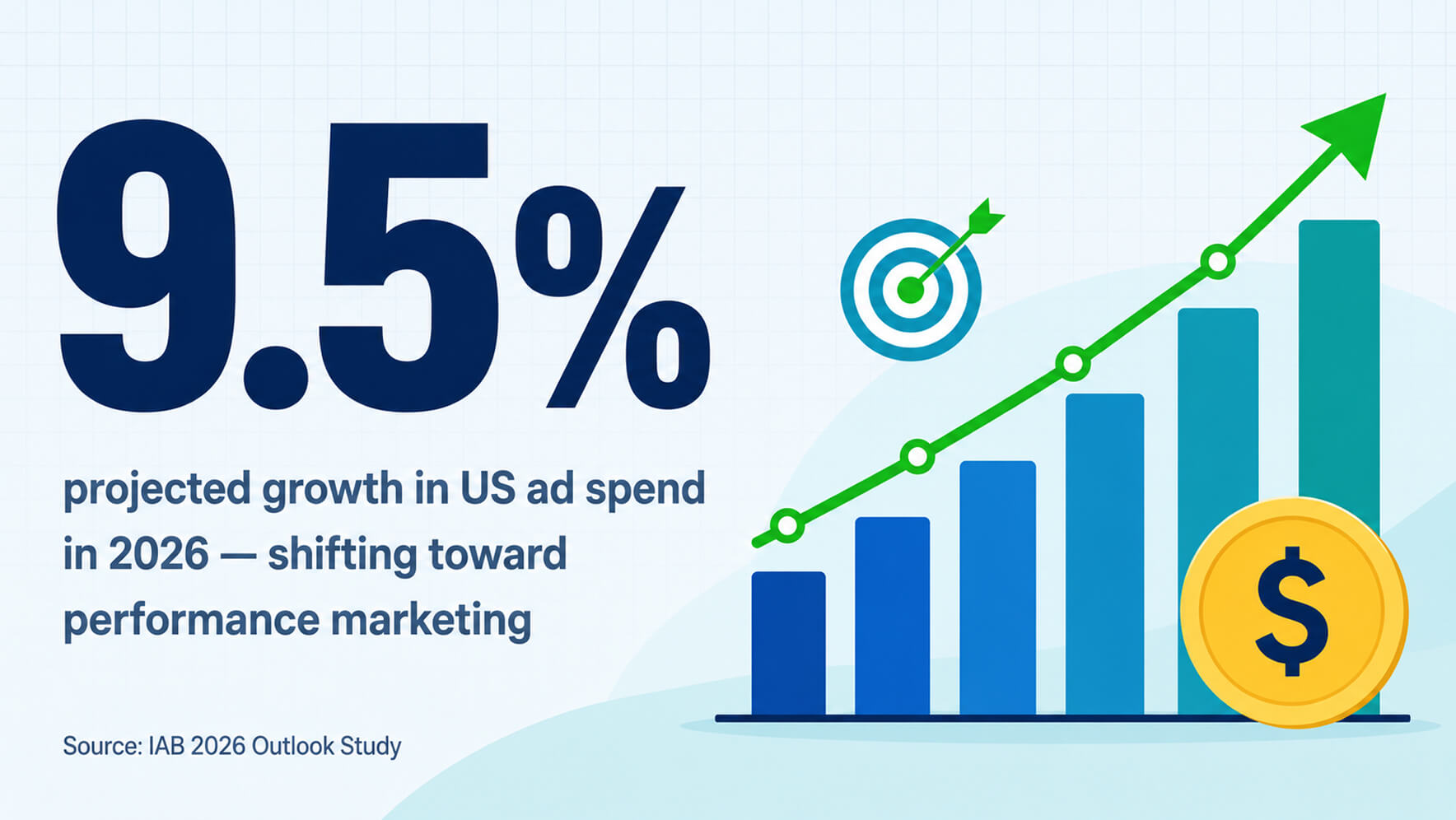
The scale of that budget is only growing. The Interactive Advertising Bureau's 2026 Outlook Study, based on input from more than 200 brand and agency buyers, forecasts US ad spend will grow 9.5% year over year in 2026, with buyers shifting more of that spend toward performance-led strategies rather than pure reach campaigns. More money moving into performance channels means more pressure on every individual message to justify its cost, and that pressure is exactly where a message testing survey earns its place in the workflow.
Many performance marketing teams spend a lot of time refining audience targeting, bidding, and placements before giving the same attention to the message itself. In practice, the wording often has just as much influence on the outcome. Even a well-targeted campaign can struggle if the headline is unclear or the value proposition doesn't feel convincing. Media optimization can improve delivery, but it can't fix a message that isn't connecting with the audience.
Message testing survey questions that actually produce usable data
The questions matter as much as the method. A message testing survey built around vague questions like "Do you like this ad?" produces vague answers that don't help anyone make a decision. Better questions get specific about what the message is supposed to do.
Different question types help answer different parts of the problem.
- Clarity questions ask people to explain, in their own words, what they think the ad is saying. If their answers don't match the intended message, it's usually a sign that something needs to be rewritten.
- Believability questions explore whether people trust the claims being made, particularly where discounts, guarantees, or performance promises are involved.
- Action-intent questions look at how likely someone is to click, sign up, or make a purchase after seeing the ad.
- Preference questions compare two or more versions and ask respondents which they would choose. The follow-up explanation is often just as valuable as the choice itself, because it reveals what influenced their decision.
Zoho Survey's rating scale and semantic differential question types work well for this kind of testing, since they let respondents score a message across multiple dimensions (like clarity, appeal, and urgency) in a single pass instead of answering the same question three separate times. Randomized question and answer ordering helps avoid the bias that comes from always showing one version first, which quietly inflates its scores in a lot of homegrown testing setups.
How to do message testing without slowing the campaign down
Performance campaigns don't usually leave much spare time. Creative is signed off, audiences are selected, and launch dates are already fixed. So, it's understandable why message testing is sometimes skipped. That said, it doesn't have to become a lengthy piece of research. Comparing three or four message options with a short survey is often enough to get useful feedback within a couple of days, particularly if you're asking an existing customer base or an online research panel.
Zoho Survey's quota and audience targeting settings help here, since a test can be capped once enough responses come in from the right demographic slice instead of running until an arbitrary deadline. Embedding a short test directly into a landing page or email footer (rather than sending a separate campaign just to recruit testers) also cuts down the lag between writing a message and knowing whether it works.
Message testing best practices worth building into the process
The way a message test is set up has a big impact on how useful the results are. It's usually better to change one element at a time, whether that's the headline, the offer, or the call to action. If several things change at once, it's difficult to tell which one influenced the result. It's also worth making sure the people completing the survey closely match the audience the campaign is trying to reach. Feedback from a different group can easily lead to the wrong conclusions. Finally, don't overlook the written responses. A message might receive strong ratings overall, but comments often reveal smaller issues, such as wording that feels confusing, overly sales-driven, or difficult to believe.
Turning message testing into a habit
Teams that use message testing regularly tend to treat it as part of their campaign planning rather than as a one-off exercise before launch. New headlines, offers, and value propositions are tested before major campaign pushes, and the findings are carried forward into future campaigns. After a while, those results begin to build a useful reference point. They show which claims repeatedly fall flat, which tone of voice resonates with different audiences, and which offers need more explanation before people are willing to act.
Using message testing this way helps improve campaigns over time because decisions are based on what previous audiences have responded to. Survey findings don't replace live campaign data, but they do provide a stronger starting point. Instead of launching with an untested message, marketers already have evidence that it is likely to be understood and well received.