LegalTech leader in conversation

João Rei on digital identity, building trust across borders, and the messy middle of it all

Co-founder and Chief Business Development Officer at eID Easy | Expert in Qualified Electronic Signatures and Digital Identity with over a decade of industry experience | Host and Mentor at Garage48

João Rei on LinkedIn
Illustrated portrait of João Rei surrounded by digital trust and identity artwork

Driven by curiosity and ambition, João Rei had a burning desire to explore what the world had to offer beyond Lisbon. Unironically, that instinct to look outward grew into a deeper fascination with identity, trust, and the systems that allow people, institutions, and countries to connect across borders.

As the conversation unfolds, João revisits his early life, the hackathon project that laid the foundation for what is today eID Easy, why alignment between people, institutions, and trust is far more complex than what meets the eye, what it really takes to make digital identity work globally, and how some of the most meaningful ideas only reveal their significance long after they begin.

Decorative pillar artwork

Quick glance

A collage of João's favourites - Sporting Clube de Portugal, Getz/Gilberto vinyl, a Gratitude journal, Lennart Meri, and Mario Soares

Q1. Hello João, it's a pleasure to connect with you.

Before we get into everything you've built, it would be nice to go back to the outskirts of Lisbon, to a younger version of you. If you could sit down with him today and ask him what he thought life would look like, what do you think he would have said?

And at some point, your path led you to Estonia, which isn't the most obvious trajectory. What inspired that move, and what did it end up meaning to you?

I think that from quite a young age, I always had the desire to travel and live abroad. It was never really about feeling that Portugal had too little to offer. On the contrary, it gave me a lot. But I was driven by curiosity and ambition, by this need to see the world for myself and understand how life worked beyond the borders of the country I grew up in.

If I could sit down with that younger version of myself today, I think I would tell him that, in an important way, we made it. Maybe Tallinn, Estonia is not the first city that comes to mind when you are young and imagining the wider world. It is not New York or London. But that was never really the point. The point was to leave, to explore, to build a life beyond what was familiar, and to learn from it. And in that sense, Estonia became much more than a destination. It became home, and the starting point for so many of the things that would come later.

Looking back, moving there in 2004 was one of those decisions that seems bigger with time. At first, it was simply a step into the unknown. But over the years, it became clear that it was also a step into the right environment, a place that was open, forward-looking, and willing to rethink how society and technology could work together. So if I had to answer that younger version of myself honestly, I would say: yes, we saw the world. And in the process, we found our place in it.
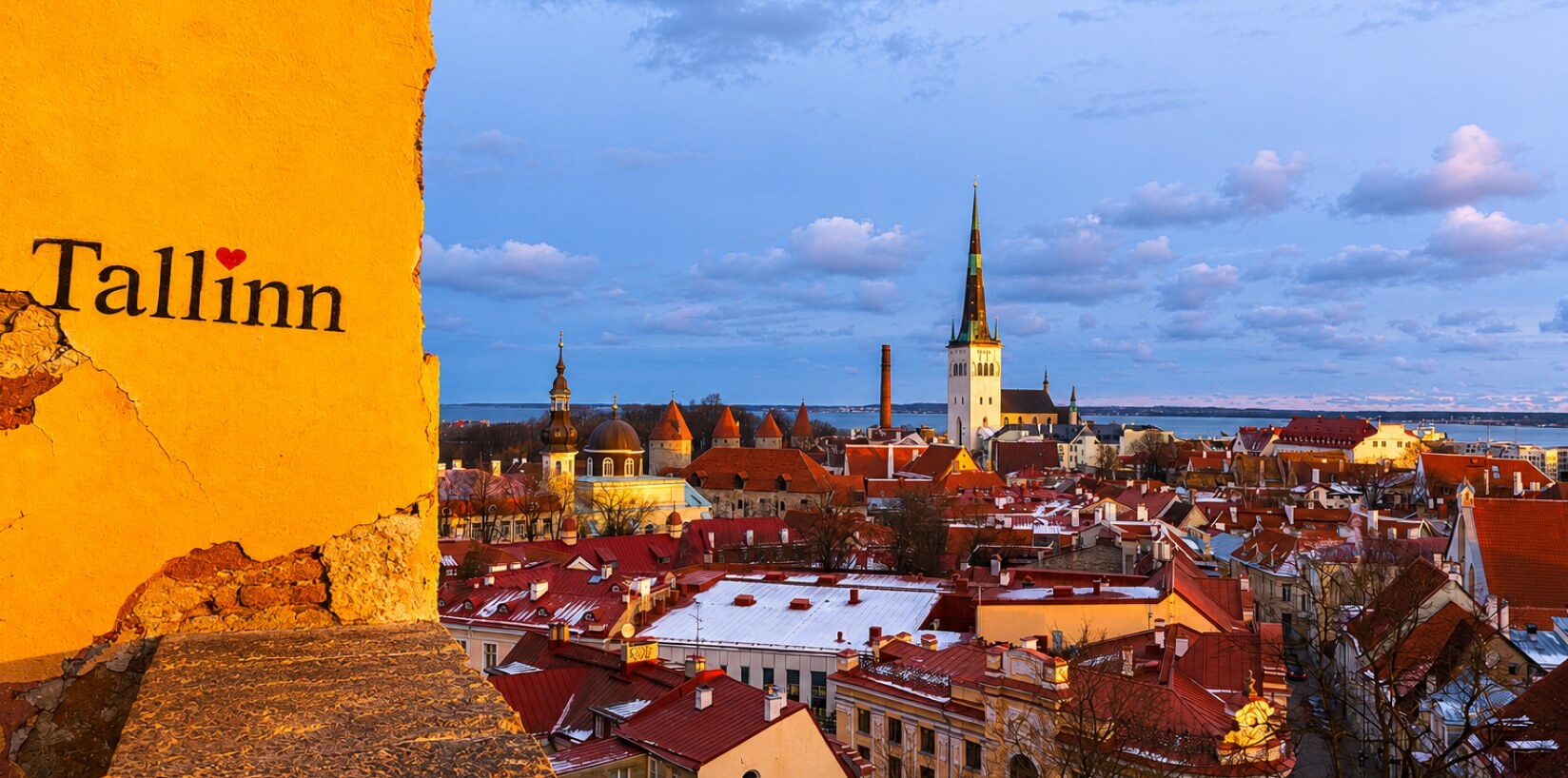
Tallinn, Estonia skyline at dusk

Q2. We have to talk about Vormsi, that hackathon on an island off the Estonian coast in 2015, where an idea took shape and, in time, grew into eID Easy. Looking back, did it feel like an epiphany in the moment, or is it something that only really revealed its significance over time? And when did it start to feel like something you wanted to keep building on? We'd love for you to take us through how it all came together.

2015 feels like a lifetime ago. Back then, we were building things mostly for the joy of it, and I was a big believer in hackathons as places where ideas could move very quickly from thought to reality.

At that particular hackathon, organized by the Estonian e-Residency team with Garage48, we were a small group working on a simple idea: make it incredibly easy for websites to let users identify themselves with an Estonian ID card or e-Residency card. The ambition was almost deceptively simple, just one line of code, in the same spirit as a social login.

By the end of the first night, we had the basics working. On the second day, we started showing it to the other teams, and to my surprise, some of them actually began using it during the hackathon itself. At the time, it felt exciting, but not yet historic. I certainly did not think, "this is the beginning of a company."

What gave it significance over time was the shift in the world around us. Back then, state-backed digital identity was still a niche concept, strongest in Estonia and a few Nordic countries. It was really around the pandemic that the need became undeniable. Suddenly, governments, businesses, and institutions everywhere were under pressure to digitize physical processes, from proving identity to signing documents remotely. That was the moment when we realized this was not just a clever hackathon project. It was part of a much larger transformation.

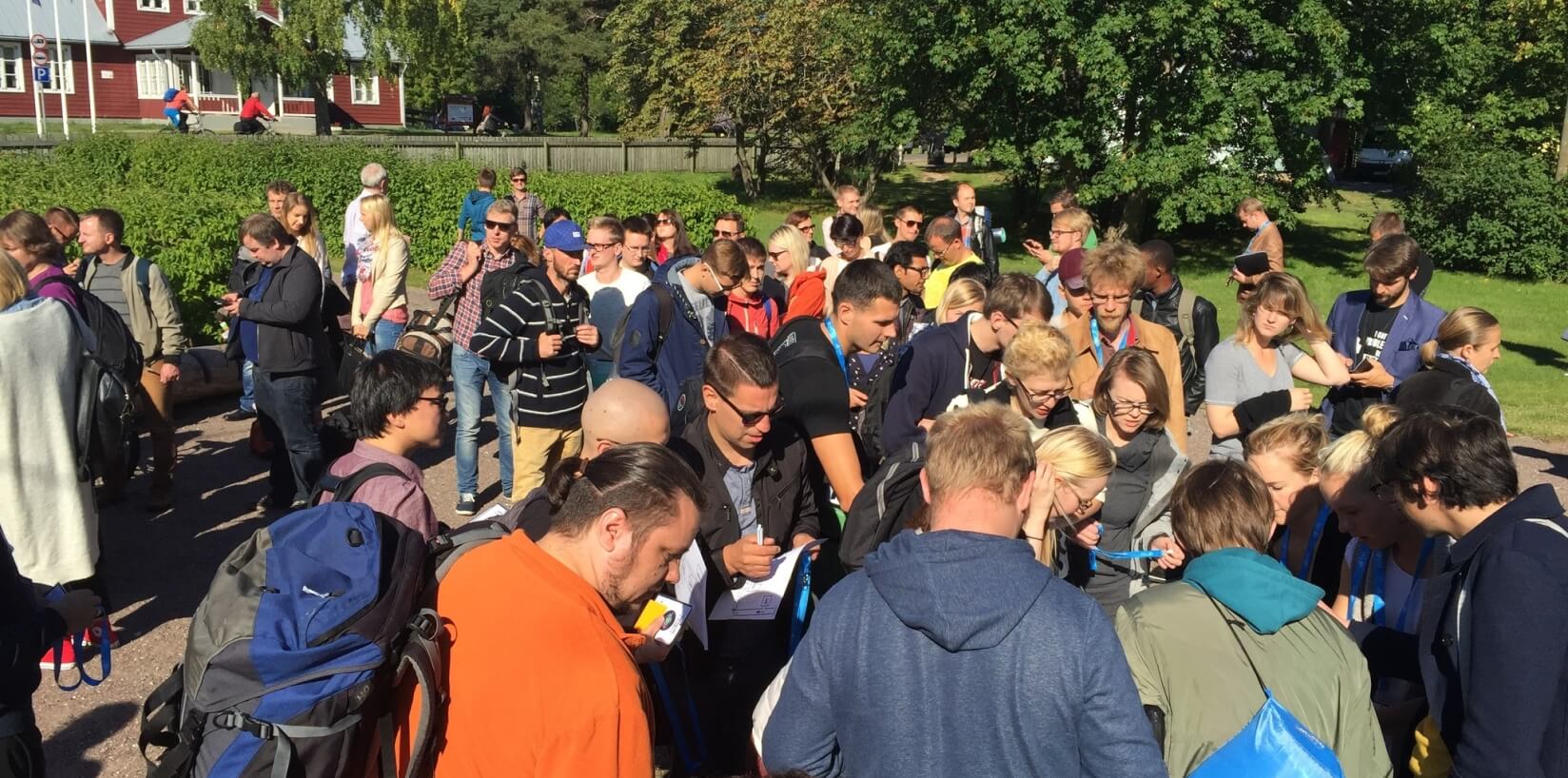
Participants gathered at the 2015 Vormsi hackathon

Photo: Tarmo Virki

Q3. For a lot of people, digital signatures still mean uploading a PDF, scribbling something that looks like a signature, and moving on.

But what's possible today goes much further: signatures linked to identity, backed by audit trails, and recognized across borders. In your view, what does a well-built e-signature solution genuinely need in order to earn trust—not just legally, but from the people using it?

For a long time, people associated e-signatures with little more than convenience: upload a PDF, draw something that looks like a signature, and move on. But real trust requires much more than that.

We have had a saying at eID Easy for years: Businesses may be global, but trust is local. I still believe that is the core principle. A well-built e-signature solution earns trust not only through good technology, but by connecting to trust frameworks that people, businesses, and institutions already recognize.

That means identity must be verifiable, the audit trail must be reliable, and the legal basis must be clear. But beyond compliance, there is also a human layer: people need to feel confident that the signature is tied to a real identity and backed by institutions they already trust. In practice, that means plugging into existing networks of trust service providers that have real relationships on the ground. Technology enables trust, but it is that local trust layer that makes adoption possible.

An e-signature being captured on a tablet at a professional event

Q4. As soon as a business expands beyond its home market, identity and signing tend to become more layered. What counts as a valid signature changes, trust is defined differently, and what holds legal weight in one country doesn't always translate to another.

In that context, is cross-border compliance primarily a question of technology, or is it about aligning legal frameworks, trust models, and institutional acceptance across regions?

That is exactly the heart of the problem we are solving. At this stage, cross-border compliance is no longer primarily a technology problem. The technology is, in many ways, the easier part. We have standards, interoperability models, and mature ways to connect systems.

The harder challenge is alignment between legal frameworks, trust models, and institutional acceptance. A signature may be technically sound, but if it is not recognized within the legal and trust framework of another country, that is where friction begins.

Europe has been an especially important proving ground because eIDAS 1.0 created a shared legal foundation for the recognition of qualified signatures across EU member states. That gave the market something very powerful: predictability. And now we are seeing similar momentum elsewhere, with more countries entering cross-border arrangements and recognition discussions. That is where the real future lies, not just in interoperability of systems, but in interoperability of trust.

Q5.eIDAS 2.0 and the European Digital Identity Wallet carry a lot of promise, with people having more control over their identity and things working more smoothly across borders.

When this starts to show up in everyday use, what do you think will feel different? And for organizations trying to make sense of it early, what are the first few things they should be doing now? How can eID Easy help them get there without having to rebuild everything from scratch?

eIDas
European Digital Identity Wallet

The promise of eIDAS 2.0 is that it addresses some of the limitations of the first version, especially around uneven adoption across Europe. This is not a small regulatory update. It is a transformational moment for the European identity landscape.

When this begins to show up in everyday life, I think the difference people will feel is simplicity. Identity and signing should become more natural, more portable, and more consistent across borders. Users should have more control, but they should also experience less friction.

For organizations, the priority now is to prepare for that shift without overcomplicating it. They should start by understanding where identity sits inside their current customer journeys, onboarding flows, and signing processes. Then they should look at how to make those workflows wallet-ready in a way that is modular, not disruptive.

That is exactly where eID Easy can help. Our role is to make sure clients can connect to new trust mechanisms, including the European Digital Identity Wallets, without having to rebuild everything from scratch. As these wallets come to market, our goal is to make them accessible through the infrastructure our clients are already using.

Q6. Legal tech is moving beyond just e-signatures, into a broader ecosystem of digital identity, e-seals, timestamps, and qualified trust service providers working together. Frameworks like eIDAS have tried to bring some cross-border consistency, but there are still layers of interpretation and local expectations.

So, looking 10 years ahead, are we heading toward a fully unified layer of digital trust, or will regional nuance continue to define how this space works?

I am an optimist, and I believe in global collaboration. So if I look 10 years ahead, I hope we will be living in a world with fewer regional nuances and much broader global acceptance of trusted local providers.

That said, I do not think local trust disappears. In fact, I think it remains essential. Trust is always rooted somewhere, in institutions, in legal frameworks, in cultural expectations, in systems people already know. What I hope changes is not the local foundation, but the level of global recognition built on top of it.

So the future, in my view, is not one single universal trust provider. It is a global framework of acceptance, where local trust anchors remain strong, but can be understood and relied upon across borders much more easily than they are today.

Q7. You've been quite active with the eID Easy Meetup Series, bringing people together across cities like Tallinn, Dublin, Zurich, and Stockholm. You've also been participating in identity and trust events across Europe, taking part in the larger conversations happening across the industry. And it doesn't feel like these are just networking nights, there's something more behind them.

What are you hoping comes out of these gatherings? What do those conversations give you that building the product alone doesn't? And, on a slightly hopeful note, should we be keeping an eye out for India on that list anytime soon?

eID Easy's role in the ecosystem has always been the same: to be a connector. The Meetup Series is really a natural extension of that role, just moved into a physical space.

What we want from these gatherings is not just networking. We want to create room for honest conversations between people who are shaping this space from different angles, clients, partners, regulators, builders, and thought leaders. The digital trust ecosystem is still evolving, and many of the challenges we face are shared. Product alone cannot solve that. Conversation matters too.

For us, these events are valuable because they create a different kind of signal. You hear what people are worried about, what they are hopeful about, and where the market is heading before that becomes visible in product requirements or policy papers. And just as importantly, they allow for more relaxed and human conversations with the people we work with.

And yes, absolutely, we would love to bring the series to India. That would be a very exciting one to put on the calendar.

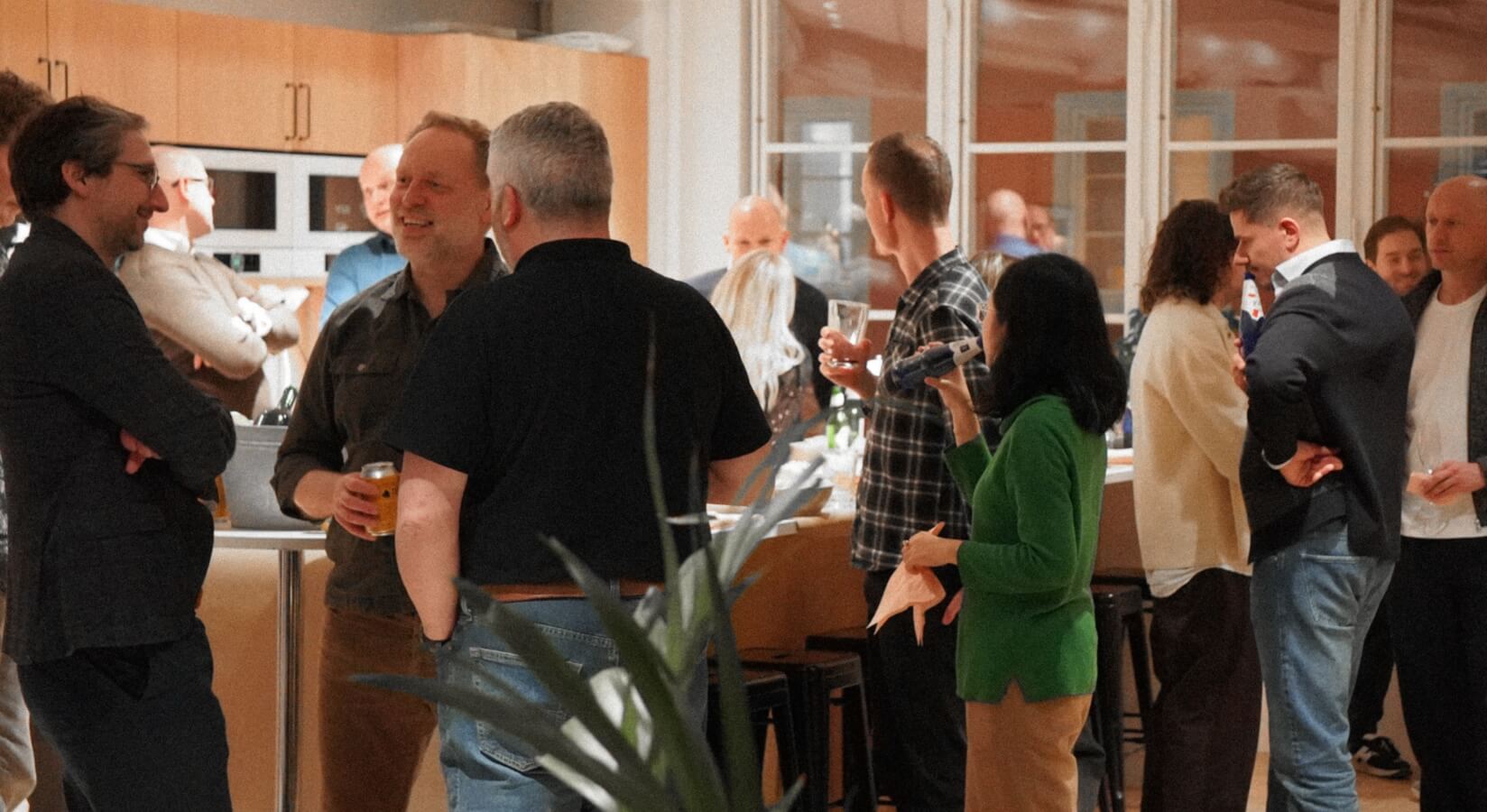
João Rei at an eID Easy Meetup event

Q8. For many young people worldwide, digital identity will play a huge role in how they step into adulthood, including how they access education, find work, and experience some of their major life moments. But not everyone arrives there with the same level of access or familiarity.

What responsibility do governments and system designers carry in making sure that first step feels fair for everyone? And as we move further in this direction, how do we create systems that feel more inclusive, instead of expecting people to catch up?

This is absolutely critical if we want these tools to move beyond relatively narrow digital-first niches and become part of everyday life for everyone.

Governments carry a dual responsibility here. First, as issuers of identity, they have to ensure that access is fair, secure, and inclusive. Second, they have to communicate clearly what digital identity is, how it works, and where its boundaries are.

That communication piece is often underestimated. If governments use the wrong language, especially around identity, surveillance, or control, mistrust grows very quickly. And once mistrust sets in, adoption becomes much harder, no matter how good the technology is.

So inclusion is not only about infrastructure or usability. It is also about language, framing, and public confidence. If we want people to step into digital identity systems fairly, we have to design those systems around trust and clarity, rather than expecting people to simply catch up.

Q9. You've spoken about the "messy middle" of building. It's when things are uncertain, but there's a glimmer of hope that still makes you take the plunge. What did that phase teach you about the kind of battles worth fighting?

For those still navigating that in-between space—driven, perhaps a little delusional—what would you say to them? Do you think that edge, that willingness to believe a bit beyond what's rational, is necessary to build great things in life?

I spoke about the messy middle in the context of building a company, but I think it applies much more broadly. It is that space between the early excitement of an idea and the moment when success or failure becomes obvious. It is where nothing is certain, except that you still have to keep going.

What that phase teaches you is which battles are actually worth fighting. Not every difficulty deserves persistence. But if you are building something you truly believe in, the messy middle is where conviction gets tested and, in many cases, where it gets strengthened.

For people living in that in-between space now, I would say this: belief matters. I would not call it delusion. I would call it commitment. When you are building something meaningful, you need a degree of belief that goes beyond what is immediately rational, because otherwise the hard days will stop you.

Life comes with challenges either way. So if you are fortunate enough to choose your own challenge, and to pursue something that genuinely matters to you, that is already a kind of privilege. In many ways, that is the blessing.

Q10. We've covered a fair bit of ground around digital identity and trust, and it's been interesting to hear that from someone building in the space. While we're still on record, let's switch gears a bit and get a glimpse of the person behind the solution.

Just go with whatever comes to mind first:

A ritual that helps you unwind after a long day

"It isn't always easy, but I try to slow down once in a while and express gratitude for the work that I do. Remind myself that I'm lucky to pick this as my challenge."

A song you currently have on repeat

"Lately, it's less about one song and more about the ritual itself. Over the past few years, I've gotten into collecting old vinyl records, and I try to pick one up from every city I visit. The last one I got was an old version of Getz/Gilberto, a classic Jazz Bossa Nova album."

A sports team that you'll always root for

"Sporting Clube de Portugal, my childhood football team from Lisbon."

A leader that inspires you

"I would mention Mario Soares and Lennart Meri, two influential presidents of Portugal and Estonia, respectively, who played an important role in each country's journey toward democracy."

Thank You

Our sincere thanks to João Rei for his time and for sharing his thoughts with such transparency. What comes through in a conversation like this is how much of building really starts from something simple—curiosity, a decision to step away from what's familiar, and an idea that only makes sense in hindsight.

We deeply value his contributions to digital identity, cross-border trust, and electronic signatures, and wish him the same sense of curiosity and conviction as he continues building what comes next.