

- HOME
- Accounting
- How AI could transform workflow and task automation for accountants
How AI could transform workflow and task automation for accountants
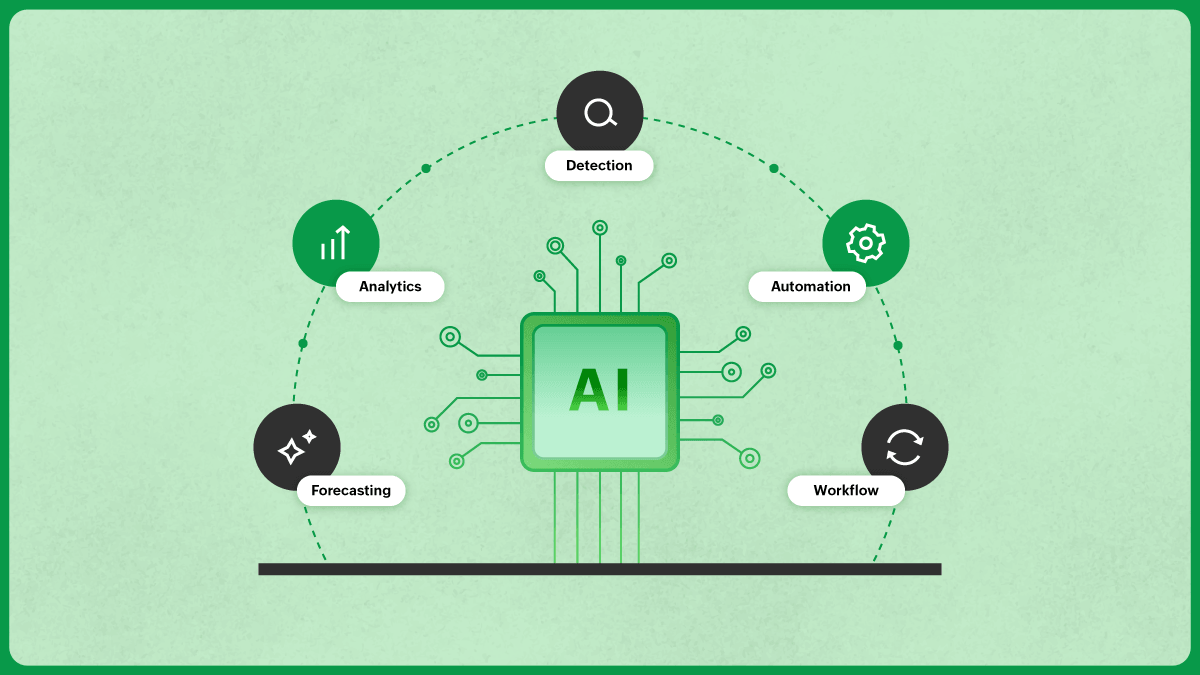
Accounting has always been a profession rooted in precision and complexity. Yet, certain aspects - manual data entry, repetitive compliance tasks, and reconciliation—can often feel like an uphill climb. But imagine if these time-consuming activities could be handled effortlessly. What if there was a way to not just automate tasks but also anticipate challenges, learn from data, and optimize the way accountants operate?
While some of these capabilities exist today, others are rapidly emerging, fuelled by the advancements in AI
This blog explores the transformative possibilities of task automation and accounting workflow automation, weaving together current realities and future potentials to reimagine the profession.
Workflow automation for accountants
How often do accountants spend hours reconciling accounts, preparing reports, or sifting through client data? These repetitive workflows consume time that could be better spent strategising or advising clients. Workflow automation has begun to alleviate this burden, with AI-driven solutions offering glimpses of what’s possible.
Traditional accounting processes like report generation and bank reconciliation are not only time-consuming but also susceptible to human error. Smart, AI-driven systems are replacing these manual processes with workflow automation.
Key drivers of workflow automation for accountants:
Efficiency: AI significantly can reduce the time spent on repetitive tasks, allowing accountants to focus on advisory roles.
Accuracy: Automation minimises errors, especially in areas like tax preparation or financial auditing.
Scalability: Whether it is managing hundreds of clients or processing large volumes of transactions, AI can scale operations effortlessly.
Think about firms during tax season. the volume of tasks often overwhelms accounting teams. AI tools could help streamline processes by categorising expenses, predicting workloads, and optimising team bandwidth to avoid bottlenecks.
What’s happening in the industry?
A Deloitte study suggests that 58% of financial processes are now automatable, largely due to advancements in AI and related technologies.
AI-driven practice management tools are playing a pivotal role in this transformation, enabling accountants to streamline workflows, enhance precision, and focus on delivering higher-value services. This growing reliance on AI-powered solutions reflects the industry's commitment to improving efficiency and accuracy through intelligent automation.
What could AI do to revolutionize task automation?
Accountants are balancing client meetings, unfinished reconciliation, and an inbox full of pressing requests during the busiest time of the year. Although giving strategic financial advice is what is expected out of them beyond number crunching, they spend the majority of their day on tiresome, repetitive duties. AI can be an asset in this situation, not just a time-saver.
Let's break this down into specific ways AI is reshaping task automation:
1. Streamlining data entry and classification
Manual data entry is one of the most labor-intensive processes in accounting. AI could use tools like Optical Character Recognition (OCR) to extract and classify data from invoices, receipts, and bank statements with minimal human intervention.
Example: OCR technology extracts details from invoices and categorises them accurately, slashing processing times.
2. Optimizing task allocation
AI doesn’t just automate tasks—it can prioritize and assign them based on deadlines, complexity, and employee availability.
Insight: A PwC study found that companies using AI for task management experienced a 40% increase in productivity.
3. Automating recurring processes
Recurring tasks, such as payroll or monthly reconciliation, often bog down teams. AI could configure and execute these tasks automatically, ensuring consistency while reducing errors.
Real use case: Firms automating payroll operations for their clients have reported fewer delays and errors, improving overall efficiency, according to the Deloitte Global Payroll Benchmarking Survey.
4. Enhancing client communication
AI-powered tools like chatbots are changing how firms interact with clients. By answering routine queries and providing status updates, these tools ensure consistent and timely communication.
A global finding: Leveraging AI and robotic process automation (RPA) allows accountants to automate end-to-end processes with minimal human intervention, enhancing speed, accuracy, and reliability—especially in audits, a key area of disruptive innovation (Accounting and Business, ACCA Global)
How AI in Practice Management is shaping the next generation
Beyond process automation, AI is creating new opportunities that will change the way accountants perform what they do. We'll be able to detect anomalies in real time, produce more insightful reports, and forecast financial patterns for clients before they even inquire.
AI can empower accountants to achieve new heights of productivity and creativity, not just automate monotonous duties. AI promises to redefine the concept of what accountants can accomplish through the integration of real-time fraud detection, predictive analytics, and personalized insights.
Emerging possibilities with AI:
Predictive analytics: AI could help accountants forecast revenue trends, identify risks, and provide proactive client suggestions by examining patterns in financial data.
Fraud detection: Advanced algorithms could identify suspicious activities in real-time, mitigating risks before they escalate.
Tailored dashboards: Personalized dashboards could provide accountants with client-specific insights, enhancing the quality of advice they deliver.
A Gartner survey highlights that 58% of finance functions are already using AI, with firms seeing faster task completion and greater accuracy in compliance.
The rise of intelligent practice tools suggests a future where AI doesn’t just support workflows but actively enhances the scope of what accountants can achieve.
Future of AI in accounting
AI isn’t just a passing trend—it’s redefining how accountants approach their roles.
The good news? The era of AI in accounting is no longer a futuristic concept; it’s becoming present reality that’s transforming how the profession works. By embracing AI in daily tasks and accounting workflows today, you are not just keeping pace, you’re setting the pace.
Firms investing in AI today will be tomorrow’s leaders, armed with tools that boost productivity, enhance client satisfaction, and drive sustainable growth. Are you ready to redefine your accounting workflows with AI? If so, the possibilities are endless.