Virtual event sponsorship guide for event planners
Virtual event sponsorship isn't about logos anymore. This guide explains how online event sponsors can drive real engagement, conversations, and measurable ROI.
Let's start with a scenario that many event organizers recognize.
You've planned your virtual event, secured a few sponsors, and shared the sponsorship deck. A few days later, a sponsor asks a simple question: "How exactly will we interact with attendees?" Another asks what kind of leads they can expect, or what data they'll receive after the event.
This is where the real shift in sponsorship becomes clear.
Sponsors today aren't just paying for brand visibility. They want measurable engagement, meaningful conversations with attendees, and proof that their investment generated real outcomes.
That shift has changed how sponsorship works in virtual events.
When designed thoughtfully, virtual event sponsorship can be more targeted, more measurable, and sometimes even more valuable than traditional booth-based sponsorships. Instead of relying on passive visibility, organizers can create structured opportunities for interaction, learning, and networking that sponsors can actively participate in.
We'll explore how sponsorship works in virtual events and why it requires a different approach than physical formats. We'll also look at practical digital sponsorship ideas you can offer, ways to give sponsors meaningful visibility beyond logo placements, and how event platforms like Zoho Backstage help organizers manage sponsors while tracking real engagement.
How virtual event sponsorship works: A practical guide
Why virtual event sponsorship works very differently from physical sponsorship
At physical events, sponsors primarily pay for visibility and foot traffic. In virtual events, sponsors pay for attention, interaction, and data.
That shift changes everything about how sponsorship should be designed and sold.
Below, we'll discuss some of the biggest differences you should understand before planning any virtual event sponsorship package. Instead of thinking about them separately, it helps to see how they appear during a typical attendee journey in a virtual event.
There is no natural crowd movement in virtual spaces
When an attendee registers for a virtual event, they don't accidentally discover sponsors the way they might in a physical venue while walking past booths. In digital environments, attendees only go where the platform guides them. That means sponsor placements need to appear naturally within the event flow—such as on registration pages, agenda screens, or session environments.
Brand exposure is more controlled, but also more precise
As the attendee browses the agenda and joins sessions, sponsor branding can appear in specific places such as session pages, reminder emails, or inside the event platform. Unlike physical banners that rely on chance visibility, these placements are intentional and easier to track.
Every interaction can be measured in detail
Once the attendee engages with sessions or sponsor spaces, organizers can track real activity. Booth visits, content downloads, session attendance, and chat interactions provide clear engagement signals rather than assumptions.
Sponsors now care more about leads and conversations than logos
Finally, when attendees move into networking or explore booths, sponsors have opportunities to start real conversations through chats, meetings, or gated resources. Instead of relying only on brand exposure, they can focus on generating meaningful interactions and qualified leads.
Because of these differences, simply copying physical sponsorship packages into virtual events does not work. You need sponsorship formats that fit digital behavior, not physical habits.
How sponsorship works in virtual events (and what sponsors actually expect)
Before getting into digital sponsorship ideas, it helps to consider the questions sponsors typically ask.
Imagine a sponsor reviewing your event proposal. Their questions are simple: Where will our brand appear? Will we interact with attendees? And how will we measure results?
These questions stay the same across physical, hybrid, and virtual events. Sponsors mainly care about three things: visibility, engagement, and measurable outcomes.
Visibility can come from placements on registration pages, agenda listings, emails, or inside session environments where attendees are already active. Engagement happens through formats such as sponsored sessions, virtual booths, chats, and meetings that enable direct interaction. And measurement comes from tracking data such as booth visits, session attendance, downloads, and captured leads.
When these elements are clearly structured, it becomes much easier to show sponsors the value they received from the event.
1. Brand visibility across digital touchpoints
Sponsors want their brand to appear where attendees naturally spend time throughout the event journey. This holds true for virtual events as well, though every interaction happens on a screen.
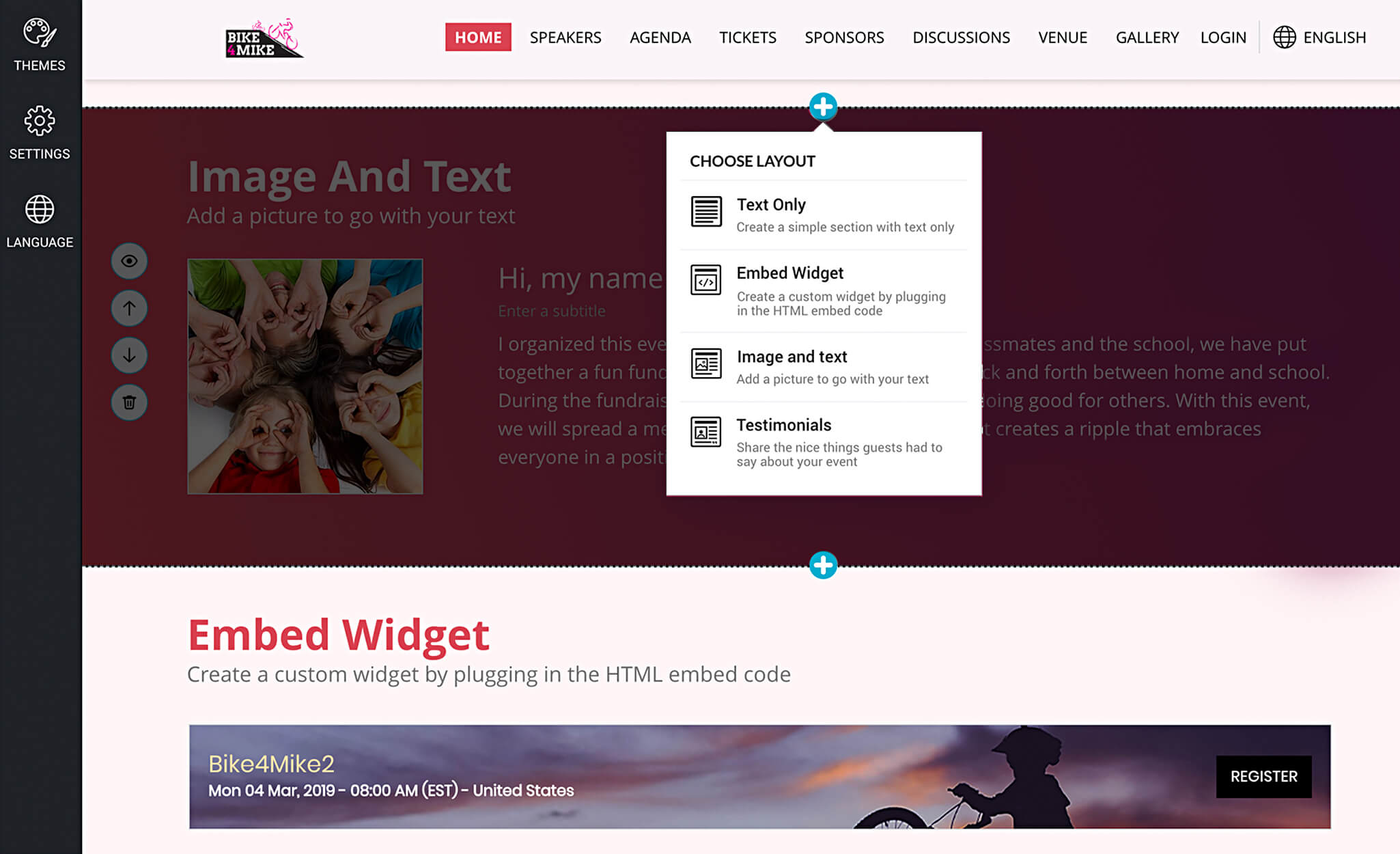
Before the event even begins, attendees usually interact with the event page while exploring the agenda, speakers, and registration details. This is often the first place they notice sponsor presence, helping brands become associated with the event from the start. For example, on a Zoho Backstage event page, sponsor logos and sections can appear alongside event information, providing early visibility as attendees decide whether to register.
During the event, sponsors' presence continues throughout the experience. As attendees move between sessions, networking areas, and other activities, they encounter sponsored content, branded sessions, or interactive spaces where conversations can happen naturally. Because everything takes place within the event platform, these interactions can be tracked and reported.
After the event ends, the sponsorship experience doesn't disappear immediately. Attendees may return to view recordings, revisit resources, or explore session materials, so sponsor content can continue to receive attention even after the live sessions are over.
This lifecycle approach, before, during, and after the event, helps sponsors stay visible at moments when attendees are already engaged, rather than relying on isolated placements.
2. Engagement and interaction with attendees
This is where digital sponsorship ideas become powerful. Sponsors want opportunities to interact with attendees in ways that go beyond passive visibility. When it comes to virtual events, these interactions need to be structured intentionally into the event flow. Here are four ways you can handle this:
Virtual sessions and demos allow brands to explain solutions in context. Not surprisingly, 92% of attendees say they prefer interacting with product demos during virtual events. This makes it easier to connect the product with real use cases instead of generic messaging.
Answer questions in real time
Interactive formats like polls, chats, and Q&A help sponsors address attendee questions instantly. These tools are now common, and over 81% of virtual event organizers use Q&A as an engagement tool. For live polling, this number stands at an impressive 71%. Sponsors can also use these signals to quickly identify interested attendees.
Offer demos or consultations
Virtual booths and meeting slots allow sponsors to showcase products and schedule deeper discussions. These one-on-one interactions often indicate higher intent than passive engagement.
Due to these interactive formats, sponsorship in virtual events often feels more personal and measurable than simple logo placements. Rather than just being visible, sponsors can become part of the conversations.
3. Measurable outcomes and reporting
This is where virtual events have a significant advantage over in-person events. Most attendee interactions can be tracked, unlike in-person events, where most of these go unrecorded.
Sponsors now expect data like:
How many people visited their booth
How long people stayed in sponsored sessions
How many leads were captured
How many downloads or clicks happened
On their own, these numbers may not be significant, but they show actual engagement patterns, like repeat visits or multiple interactions. If you can show this clearly, sponsors are much more likely to renew and upgrade their packages next time. Clear reporting also helps them understand what worked and where to invest more.
Zoho Backstage supports this kind of structured sponsorship setup by letting organizers manage sponsor listings, place branding across the event journey, and track engagement through built-in analytics and lead capture tools. This is important because sponsor satisfaction today depends heavily on how well results can be demonstrated after the event. Well-structured reporting makes it easier to connect activity with outcomes and prove ROI.
Digital sponsorship ideas that work well in virtual events
Now that we've covered that, let's get to what really matters. What are some digital sponsorship ideas that actually work and create value instead of making it look like they're forced or awkward?
Here are some formats that work well in virtual conferences, expos, summits, and even virtual career fairs.
1. Sponsored sessions that feel like content, not ads
One of the most effective sponsorship formats in virtual events often looks less like advertising and more like a genuinely useful session. Instead of opening with a product pitch, a sponsor might walk attendees through a real case study, share industry insights from recent projects, or demonstrate how a particular challenge was solved in practice.
Attendees join expecting to learn something valuable, and along the way, they see the sponsor as a credible expert rather than just another brand promoting a solution.
When the session is clearly marked as sponsored and placed within a relevant track, it feels like a natural part of the event program. By the time the conversation touches on the sponsor's product or approach, it feels more like a sales pitch than a practical example of the ideas being discussed.
2. Virtual booths that are more than just a landing page
A high-performing virtual booth feels less like a static page and more like a small interactive space inside the event.
It usually begins with curiosity. An attendee browsing the sponsor area clicks into the booth and immediately sees a short introductory video or a simple visual overview that explains what the company does and why it matters. Instead of long text blocks, the content is quick to scan and easy to understand.
After that first impression, the attendee starts exploring. They might open a short demo video, download a useful resource, or browse a few product highlights. The booth content is structured so visitors can quickly decide what interests them without feeling overwhelmed.
Soon, the experience becomes interactive. A team member from the sponsor is available for live chat to answer questions or start conversations with visitors who show interest. Some attendees may even book a quick meeting or demo slot directly from the booth.
By the time the attendee leaves, they will have watched something useful, downloaded a resource, or had a short conversation. The booth becomes a small interaction hub rather than just a digital brochure.
3. Sponsored networking and matchmaking experiences
Networking is one of the main reasons people attend events, whether in person or virtually. In digital environments, however, networking can be structured more intentionally so that conversations happen around shared interests rather than random encounters.
For example, attendees often join networking rooms organized around specific themes or industry topics they care about. When sponsors participate in these spaces, they are naturally introduced to people already interested in the same subject area. Similarly, many event platforms allow attendees to indicate their interests, goals, or professional focus during registration. Those signals can then be used to guide attendees toward relevant sessions, discussions, or networking groups, making sponsors connected to those topics more likely to meet attendees who genuinely want to talk about them.
Some events also include smaller roundtable-style discussions where a limited number of participants join a focused conversation. In these settings, a sponsor representative might facilitate or contribute to the discussion, creating a more relaxed and collaborative environment than a traditional sales interaction.
Because these networking interactions happen within the event platform, they can also be tracked at a high level. Organizers and sponsors can see how many conversations occurred, which sessions or discussions generated the most participation, and how attendees connected with each other. This makes networking experiences not only more targeted but also easier to evaluate when sponsors want to understand the value of their participation.
4. Branded engagement activities during sessions
Here's where creativity will help. Instead of displaying the brand logo, sponsors can participate in engagement activities such as polls and surveys using branded graphics, live quizzes and small prizes, and sponsored Q&A sessions
These small touches keep the sponsor's presence visible without interrupting the session flow. It also helps sponsors associate their brand with moments of participation and fun, not just static advertising.
With platforms that support real-time engagement tools, organizers can also report a lot of things, like how many people participated, which questions were asked, and how long people stayed engaged. That kind of data is very useful for sponsor follow-ups.
5. Sponsored digital content hubs and resources
Virtual events also allow sponsorship value to continue after the live sessions end. Recorded talks, demos, and resources often remain available in an on-demand library that attendees revisit in the following days or weeks. Someone who missed a session might return to watch the recording, or explore related materials shared during the event.
When these recordings are gated with simple access forms or downloads, they can quietly continue generating leads over time. Instead of ending when the event closes, sponsor content continues to attract new viewers and capture interest well after the live program ends.
How to give sponsors real visibility and prove ROI in virtual events
Creative sponsorship ideas only matter if organizers can clearly show results afterwards. That preparation usually starts before the event even begins.
Experienced organizers first define what success looks like for each sponsor. If visibility is the goal, they place sponsor branding at moments where attendees naturally spend time—such as during registration, agenda browsing, or session viewing.
Next, they enable interaction points like booth visits, chats, or resource downloads so engagement can be tracked automatically during the event. Lead capture and session analytics are also set up early, so meaningful data is collected from the start.
When these elements are prepared in advance, post-event reporting becomes straightforward. Instead of estimating value, organizers can show exactly how attendees discovered, interacted with, and engaged with a sponsor throughout the event.
Track interactions, not just impressions
A vague sponsorship report usually relies on broad estimates, such as total event registrations or general impressions, without showing how attendees actually interacted with a sponsor. It might say that thousands of people attended the event, but it doesn't explain whether anyone visited the sponsor booth, watched their session, or downloaded their resources.
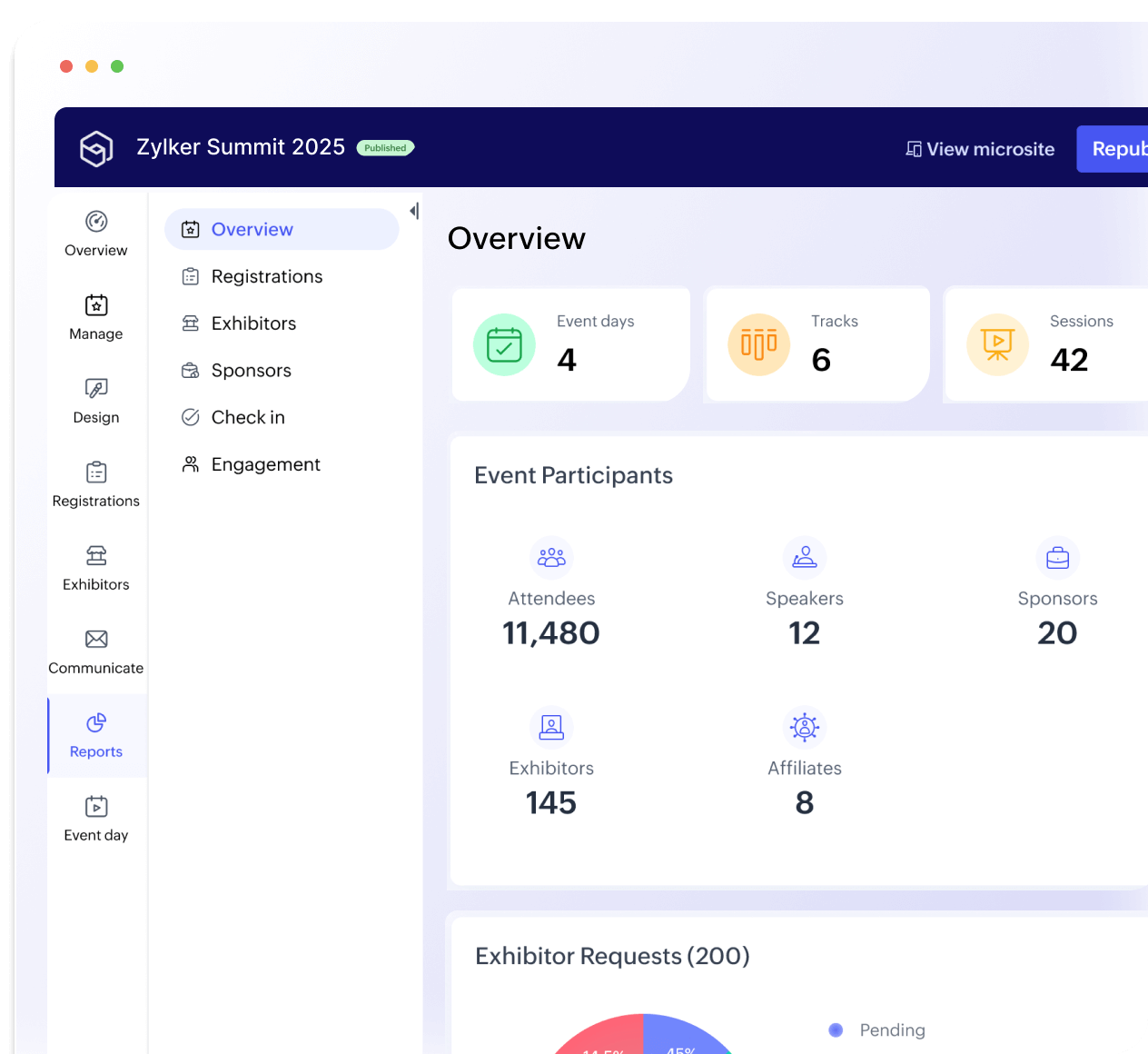
A structured analytics report, like the ones generated inside Zoho Backstage, focuses on real engagement signals. The reporting dashboard typically shows metrics such as booth visits, repeat visits, session attendance at sponsored talks, content downloads, chat interactions, and meetings booked with sponsor teams. Seeing these numbers together in a visual dashboard makes it much easier for organizers to show exactly how attendees discovered and engaged with a sponsor during the event.
Use lead capture and qualification tools
Sponsors usually attend events to generate leads, not just awareness, so the way leads are captured during the event directly affects how quickly sponsors can follow up afterwards.
In less structured setups, sponsors might leave with a generic attendee list and spend days figuring out who actually showed interest. That slows down follow-up and often results in missed opportunities. A more structured approach captures intent signals during the event itself, such as when someone visits a booth, downloads a resource, joins a sponsored session, or starts a chat with a booth representative. Booth staff can also quickly qualify leads based on conversations while the interaction is still fresh.
Since these signals are already organized inside the event platform, sponsors can leave the event with a focused list of engaged contacts instead of a long attendee directory. Zoho Backstage supports this kind of workflow by allowing organizers to enable lead capture for sponsor booths and export qualified leads to external CRM systems. This shortens the sponsor's follow-up cycle and makes it easier for their sales teams to continue conversations while the event interaction is still recent.
Make virtual event sponsorship work smarter, not harder, with Zoho Backstage
Sponsorship in events is evolving. Sponsors are no longer satisfied with simple brand exposure. Instead, they want meaningful interactions, clearer engagement signals, and proof that their participation led to real conversations and opportunities.
For organizers, this means thinking about sponsorship less as a collection of logo placements and more as part of the overall attendee experience. When sponsors are integrated into learning sessions, networking discussions, and resource hubs, they become active participants in the event rather than passive advertisers.
As expectations continue to shift, managing sponsorship also requires stronger behind-the-scenes infrastructure. Organizers need ways to structure packages clearly, place sponsor experiences across the attendee journey, and track engagement without relying on manual coordination.
Platforms like Zoho Backstage are increasingly becoming part of that foundation. By bringing sponsor management, attendee engagement, and analytics into one event workflow, Backstage makes it easier for organizers to support the kind of sponsorship experiences that modern events are moving toward.
That's a common concern. Instead of handing over a full attendee directory, many organizers now prefer structured lead capture, where sponsors only receive contacts who actively interacted with their booth, sessions, or resources. This makes the leads more relevant and easier for sponsors to follow up on.
It can if sponsorship is limited to banners and logos. Many organizers now integrate sponsors into useful parts of the experience, like knowledge sessions, networking discussions, or resource libraries, so the brand presence feels helpful rather than intrusive.
Not necessarily. Many organizers keep sponsor booths, recordings, and resources available for a short on-demand period after the event. This allows attendees to revisit sessions or explore sponsor content later, which often leads to additional engagement beyond the live event window.
That's a common challenge when selling sponsorships. Smaller brands often benefit more from focused opportunities, such as sponsoring a niche session, hosting a targeted networking discussion, or sharing downloadable resources, rather than paying for broad visibility.
Many platforms now support interest-based routing through attendee profiles, agendas, or matchmaking features. This helps guide attendees toward sessions, discussions, or sponsor spaces that align with their interests, increasing the likelihood of meaningful conversations.