1. What are ALL the fees—including payout terms?
This matters most when you’re evaluating event ticketing software. You’re not just paying for access to a platform—you’re paying on every ticket sold. Depending on the vendor, that could mean a percentage of each sale, a flat per-ticket fee, or a combination of both. Rates can also vary by region, which makes comparisons even harder.
Before you sign up, get absolute clarity on how pricing works. Start with the core pricing model:
- Per-registration pricing: You’re charged for every ticket you sell, online or offline (if you manage it via the platform), even for free registrations and no-shows.
- Flat or tiered pricing: Costs are more predictable, but only if you understand exactly what’s included at each tier.
Next, dig into the fees that tend to surface later, like refund processing fees and cancellation fees. Some platforms charge you every time a refund is issued. Others allow refunds without penalties. The difference adds up quickly, so ask for specifics.
Then look at add-ons. Many platforms keep the base price low and charge extra for anything beyond the basics. Payment processing is another critical variable:
- Can you use your own Stripe or PayPal account?
- Or are you required to use the platform’s processor and rates?
- Who absorbs the processing fees—you or the attendee?
Finally, ask about payout timing. This is often overlooked and can create real cash-flow issues. If you’re paying vendors or venues before the event, delayed payouts can be a serious constraint.
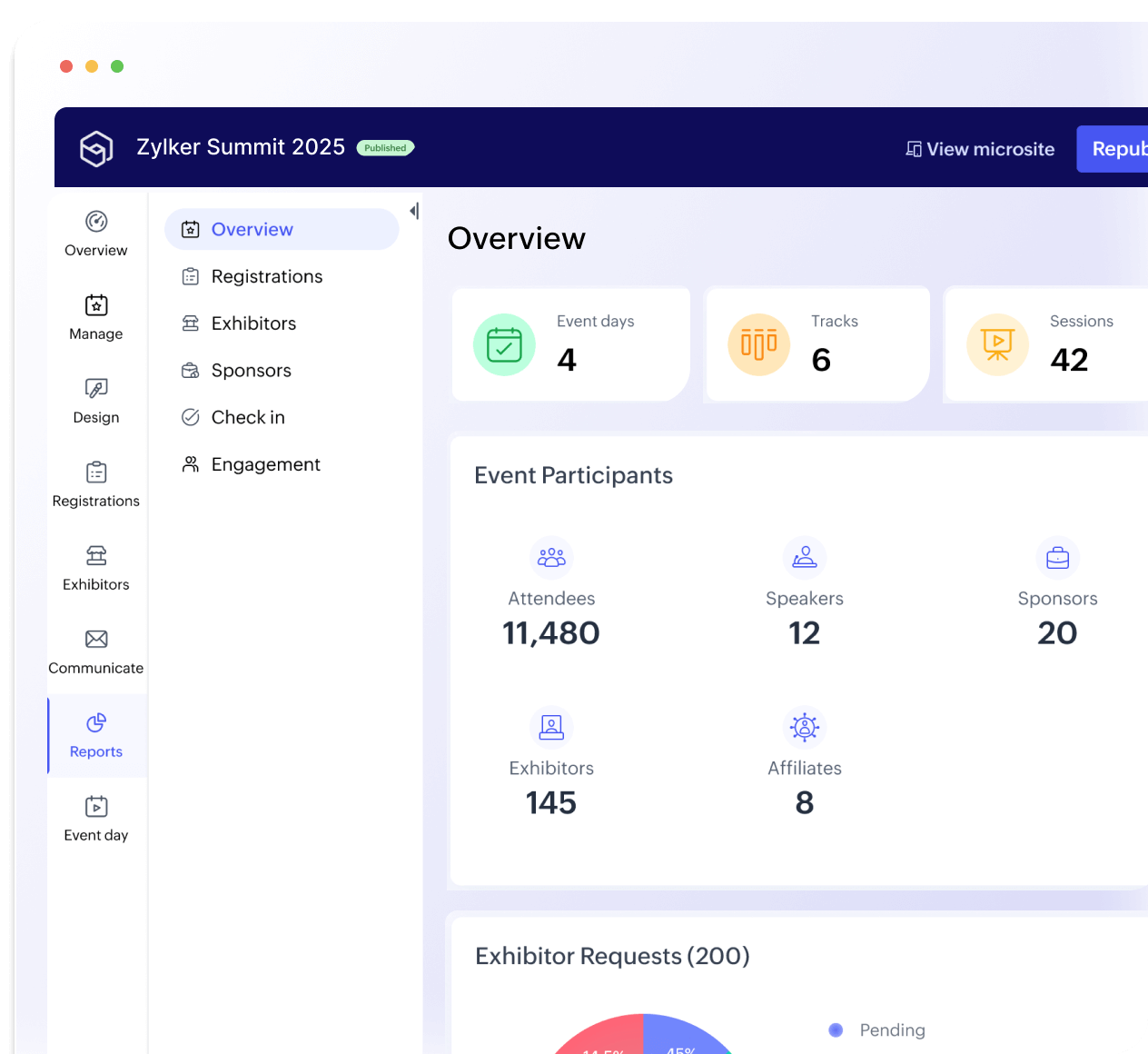
For example, Zoho Backstage charges 0% commission and supports instant payouts. Some platforms charge a commission, others a flat fee per ticket sold, and others do both. This can also vary by region. Some, like Eventbrite, also charge an additional fee for tickets sold at the venue via their Organizer app. So there’s a lot of fine print.