Indoor venues come with infrastructure in place. Whereas you create the infrastructure from scratch outdoors.
Power
Power is the main driver of every event. When planning outdoor events, generators must be considered, along with stage lighting, sound equipment, food stalls, charging stations, and networking equipment. It is not enough to test the generators under partial-load conditions; they must be tested under full-load conditions. It's about mapping load across every zone—stage production, FOH (front of house), lighting rigs, exhibitor booths, F&B stalls, registration counters, and charging points. Additionally, it is critical to ensure you have backup generators, since the failure of a single generator can bring the whole stage to a standstill.
Sanitation planning and crowd servicing
Sanitation planning also becomes more complex. When it comes to outdoor events, the number of portable restrooms must be determined to ensure the expected number of people can be served during both normal and peak usage hours. Placement matters as much as quantity. Poor zoning leads to long queues, congestion, and negative attendee experience, even if numbers look "adequate" on paper. You also need servicing schedules in place during the event, not just pre-event setup.
Water supply and heat management
Unlike indoor events, where water is readily available, outdoor events require drinking water stations. This is especially true for outdoor events in warm climates, where event safety is critical. Water stations need to be distributed across the venue. You'll also need to factor in refill logistics, drainage, and waste management. In high-heat conditions, cooling zones or shaded areas become part of your infrastructure planning.
Network connectivity and on-ground tech reliability
Unlike indoor events, where network connectivity is readily available, outdoor events require stable, consistent connectivity throughout. If your event relies on QR check-ins, ticket scanning, cashless payments, or event apps, you need to plan for network density, not just availability. This often means deploying multiple access points, boosting mobile bandwidth, or working with providers to set up temporary networks. You also need fallback workflows—offline check-ins or delayed sync—so operations don't stall when connectivity drops.
Stage preparedness and structural safety
Even if the stage is temporary, the trusses and LED walls will have to be taken down, and rigging setups will be wrapped up; these details need to be planned and treated as permanent structures for the outdoor event. This means load certification, wind resistance checks, secure anchoring, and pre-show inspections.
Outdoor stages are exposed to elements- wind, heat, and uneven ground- so stability checks are more than a one-time activity. None of these elements can run in isolation. Power affects stage, stage issues can affect agenda scheduling, network affects entry flow, and every setup decision has a downstream impact.
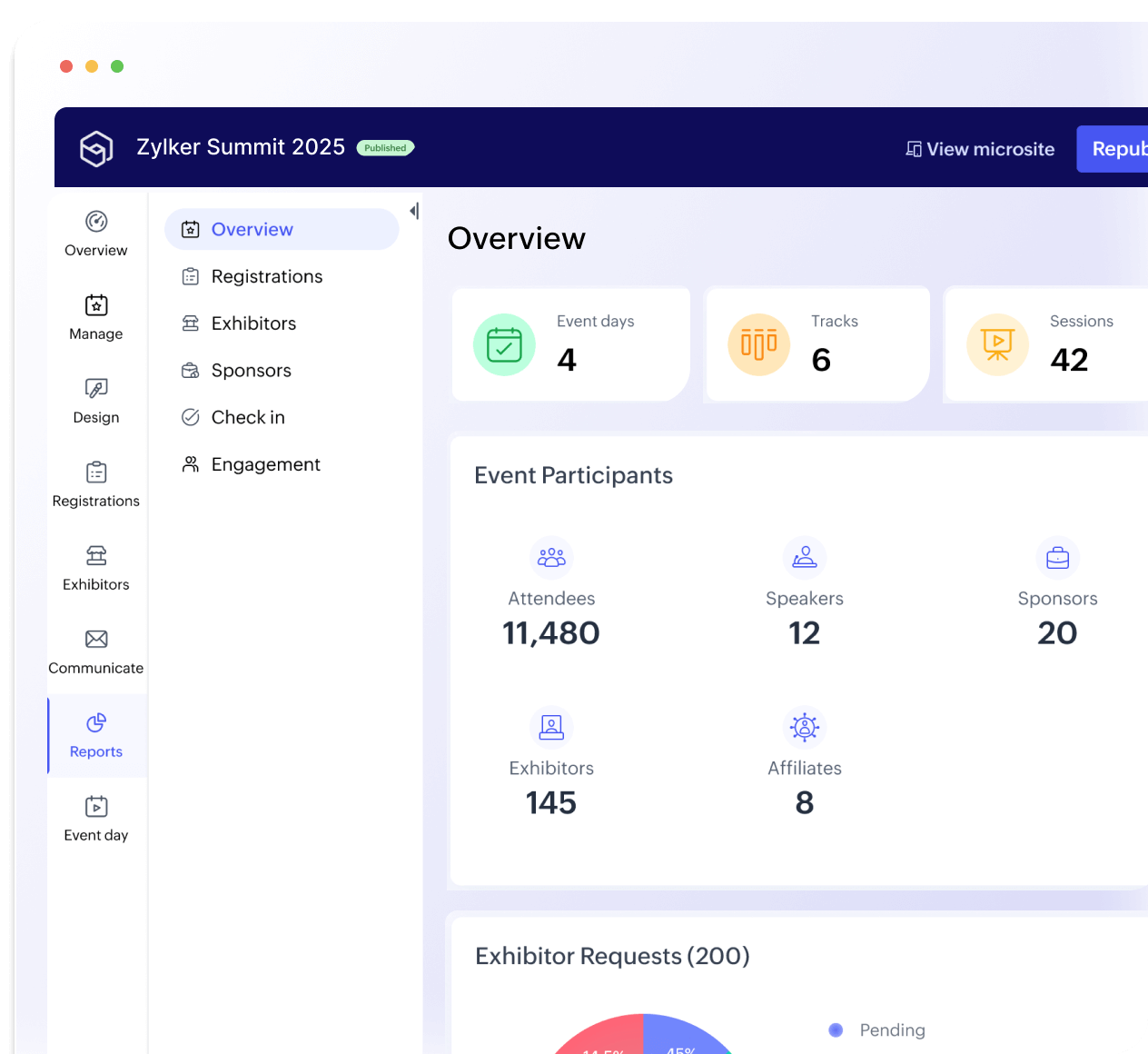
Coordinated tracking of who is setting up what, when each zone goes live, and which dependencies need to be cleared before the next stage begins will help provide clear visibility and avoid issues cropping up during the event. By using an integrated event planning software, event organizers can assign vendor tasks, monitor setup progress, and track completion in real time.