Event sponsorship incentive ideas that drive real ROI

Learn how experiential perks, data access, and digital visibility can deliver measurable ROI for your sponsors and turn sponsorships into long-term partnerships.

Events and sponsorships go hand in hand. But if your sponsorship pitch still sounds like, "We'll put your logo on the banner, the website, and one email," you are already competing with a hundred other events offering the same visibility package. And visibility is no longer the strongest persuasive strategy.

Sponsors today want more than impressions. They want measurable engagement, qualified leads, and outcomes they can take back to their leadership team. In fact, according to Event Marketer, 89% of marketers report positive ROI from sponsorships, but that's only when they can tie activations to outcomes that matter. When done correctly, event sponsorships can increase purchase intent by nearly 18% among attendees, according to Forbes. This is why event sponsors seek to engage the right people and want proof that their money created value, not just impressions in a slide deck.

One way to do this is through smart sponsorship incentives. Not discounts. Not freebies. But structured incentives that actually help sponsors generate leads, build relationships, and stay relevant even after the event ends.

We'll walk you through practical and proven event sponsorship ideas that go beyond logos. We'll look at experiential perks, data-driven sponsor benefits, digital visibility, and post-event value. We'll also discuss how structured sponsorship incentives improve sponsor satisfaction, make renewals the next logical step, and take long-term partnerships beyond negotiation.

How to build sponsorship incentives

Event sponsorship incentive ideas to attract high-value sponsors

Why sponsorship incentives matter more than ever

Events are more expensive to run. Marketing budgets are more closely tracked. And sponsors are asking tougher questions because they want you to be accountable.

They don't just ask, "How many people attended?" They ask, "How many people did we actually manage to engage?" and "How many qualified leads came out of this?" These questions go beyond vanity metrics and shift the discussion to outcomes.

If your sponsorship incentives are not tied to outcomes, you will struggle to justify sponsor pricing, and renewing next year will feel like a fresh, difficult start. And if you want to get sponsorships for your event, then you need to take this seriously.

Here's why structured and thoughtful sponsorship incentives change everything:

  • They shift the conversation from cost to value: When sponsors see that they are paying for access, engagement, and insights, not just visibility, sponsors will want to discuss value instead of costs.
  • They help sponsors activate, not just advertise: Instead of being passive logos on walls, sponsors become part of the attendee experience, which increases brand recall and trust.
  • They provide you with usable data for reporting and renewals: When incentives are tied to measurable actions, you'll see a clear return on investment after the event.

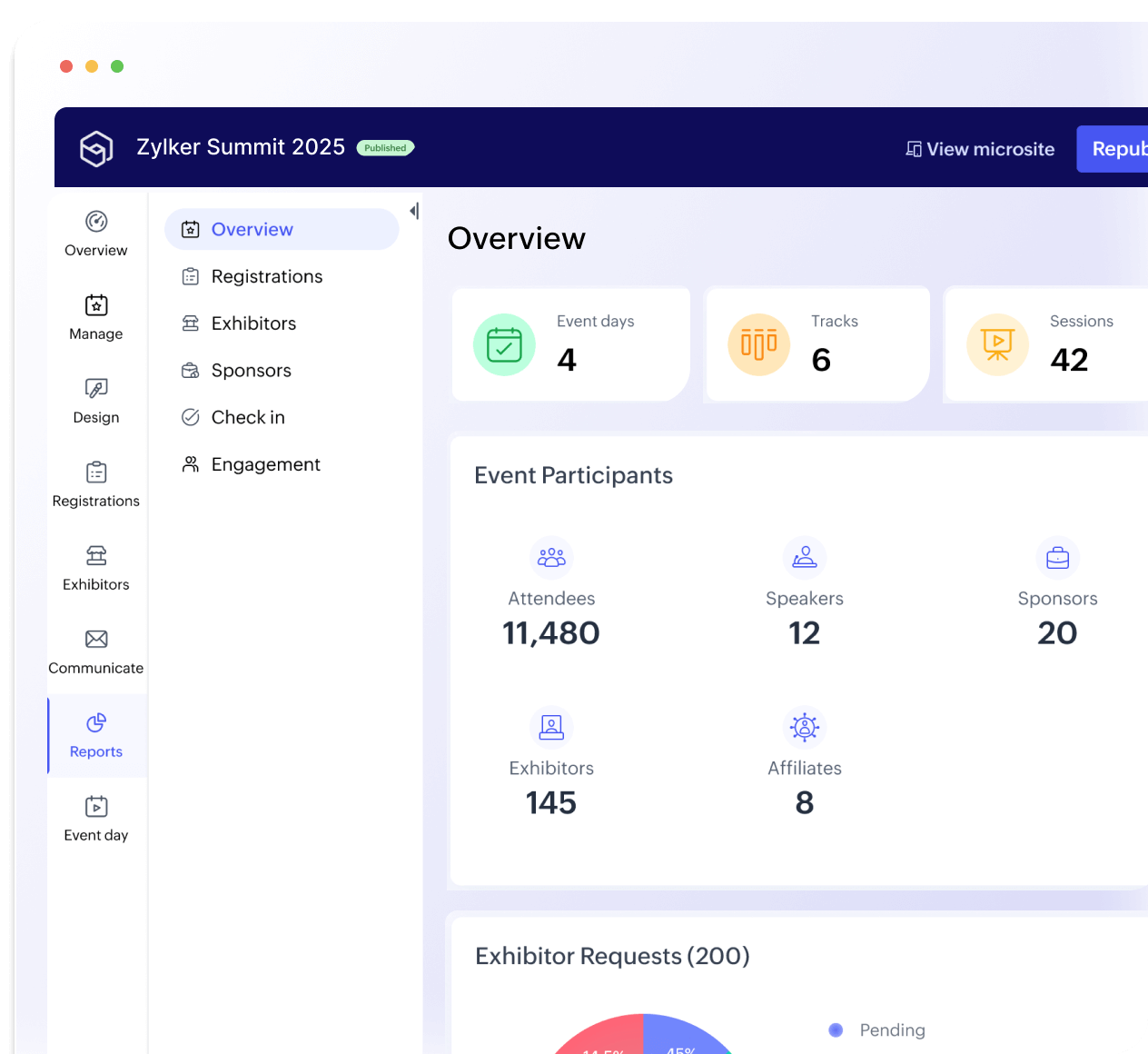
This is also why structured sponsorship programs perform better than ad-hoc deals. Modern event management solutions support the shift from sponsors to stakeholders by offering sponsor management solutions that help event managers create a tiered sponsorship model, manage sponsor requests, and track sponsor activity from one single platform.

When sponsor requests, categories, booth assignments, and reporting are all in one system, delivering on sponsorship promises becomes easier. This also helps ensure that sponsorship incentives are built into the event experience itself, so sponsors no longer feel like outsiders buying marketing space and instead feel like partners contributing to the event's success.
Experiential sponsorship incentives - How to drive real engagement

Experiential sponsorship is when sponsors don't just fund the event; they actively engage and shape the attendee experience. This is where brand visibility turns into brand participation. With experiential incentives, your sponsors become an active part of your event. This type of incentive works because people remember interactions much more than they remember branding.

Here are some experiential event sponsorship ideas that work well across conferences, expos, and hybrid events.

Sponsored learning experiences

Instead of just sponsoring a session banner, sponsors can power parts of the learning journey. This can be achieved by:

  • Hands-on workshops or demos hosted by sponsors: These allow sponsors to showcase how their products or services solve real problems, rather than delivering a generic sales pitch from the stage. When attendees try something themselves, they walk away with better recall and greater trust.
  • Certification or skill-based tracks supported by sponsors: Participants value credentials and outcomes. Sponsors can benefit from sustained, high-intent attention rather than passive, distracted onlookers. This value proposition also positively affects session attendance, which is important for a better event experience. By tying learning outcomes to sponsor activation, event teams can create a win-win. Attendees gain skills, sponsors gain engagement depth, and organizers achieve stronger participation metrics.

Networking-driven incentives

Most sponsorship value comes from conversations and leads, not clicks and impressions.

  • Sponsored networking lounges or meeting zones: These spaces naturally encourage interaction and provide sponsors with a relaxed environment to connect with attendees instead of chasing booth traffic.
  • AI-powered matchmaking sponsored by key partners: When sponsors are integrated into networking flows, they can meet attendees who actually match their business goals. Instead of random exposure to all attendees, sponsors can build relationships with buyers and decision makers.

Zoho Backstage's event app offers AI-powered matchmaking and networking to help event planners design sponsor interactions as part of the attendee experience, not as an add-on. Sponsors assigned exhibitor booths can also be strategically positioned within networking flows. This ensures that visibility is tied to attendee-sponsor interaction rather than standalone placement.

Gamification and interactive challenges

Gamified engagement keeps people moving and interacting across the venue. Gamification of events helps create multiple touchpoints and deeper engagement opportunities compared to single booth visits.

  • Sponsor-branded challenges and scavenger hunts: Attendees visit booths, sessions, or perform activities and collect points or rewards sponsored by partners.
  • Leaderboard rewards sponsored by sponsors: By rewarding the most active attendees, sponsors play a larger role in engagement, creating a mutually beneficial relationship. This approach turns the sponsors' funding into rewards for the attendees rather than passive marketing spending.

All these incentives drive more traffic to the booths and multiple engagement moments, rather than a single point of contact. Multiple touchpoints also mean stronger recall, more comprehensive data capture, and clearer post-event reporting.

Data-driven sponsor benefits that prove real ROI

Visibility is easy to sell. Data is what keeps sponsors coming back.

Modern event sponsors are no longer worried about how many people attended their events. Instead, they care more about the insights and data. That's why data-based sponsor benefits are now one of the strongest sponsorship incentives as they offer clarity and context along. By offering data-backed sponsor benefits, you can effectively incentivize sponsorships. Here is how these incentives can be applied.

Lead capture and qualification

Event sponsors will always need leads instead of random names. To do this, you can use QR-based badge scanning to capture leads instantly. This will allow sponsors to instantly scan attendee badges via QR-based lead capture. Instead of taking notes that may get lost after the event, this structured data allows them to tag each lead as "hot," "warm," or "cold" in real time. Thus, their sales teams receive not just contacts, but meticulously prioritized pipelines.

Holistic event management platforms like Zoho Backstage allow sponsors to capture their own leads securely, export them for CRM sync, and track performance by team. This ensures that sponsors are no longer dependent on organizers to manually share spreadsheets and they leave the event with actionable data ready to be harnessed.

Session and engagement analytics

Sponsors also want to know how audiences interacted with their sessions or brand placements. Sponsors are increasingly looking for insights like - how many people attended, what was their average dwell time, did they interact, and what was their overall feedback.

With reports on session attendance, dwell time, and engagement metrics, sponsors can evaluate whether their investment attracted only curiosity or genuine interest. In virtual events too, sponsorships through virtual booths, banners, or in-app placements, click-through and interaction data is relevant.

These metrics are powerful in renewal conversations because they show not just reach and exposure but also relevance and performance. For example, instead of saying " Your logo was seen by 3,000 attendees", you can say, "Your session held 70% attendees for the entire duration, and 34% engaged with your downloadable asset."

Audience profiling and segmentation

When collected responsibly and securely, data can be extremely valuable to sponsors. Sponsor incentives should include insight into attendee roles, industries, company sizes, or geographic distribution, all sourced ethically and in compliance with data consent policies. This helps sponsors tailor future messaging and product positioning.

With structured sponsor request forms and controlled data collection, event managers can gather expectations, asset requirements, and activation goals upfront from sponsors. Elements such as consent checkboxes, terms, and privacy acknowledgements are included. This protects attendees' trust and sponsors' value.

Digital visibility incentives that extend beyond the venue

Your event doesn't start at the door. Your event doesn't stop when people leave. Digital sponsorship incentives stretch visibility and presence before, during, and after your event. This extends the life of your sponsorships.

Event website and registration visibility

Your event website is often the first point of contact for attendees.

Zoho Backstage's no-code event website builder offers organizers an easy way to place sponsor messaging, banners and resources directly within registration flows and automated email workflows. This enables direct implementation within the event system, and the sponsorship incentive can be scaled as needed.

Mobile app integrations

The event app is where most attendee attention naturally concentrates during an event, which makes it one of the most powerful spaces for sponsor visibility. Since participants already rely on the app to check the agenda, navigate the venue map, or explore networking features, sponsored notifications and announcements feel timely rather than intrusive when used thoughtfully. You can promote sessions, giveaways, or live activities in real time, ensuring sponsors stay relevant to what is happening at that exact moment.

In addition to notifications, branded in-app banners and detailed sponsor profiles give attendees easy access to information without interrupting their experience. Instead of pulling focus away from the event, these placements become part of the attendee journey. As a result, sponsor messaging within the app often performs better than traditional signage because it reaches people exactly where they are already engaged.

Virtual and hybrid event sponsorships

When your event includes virtual or hybrid audiences, sponsor visibility needs to extend seamlessly beyond the physical venue. Online attendees may not see stage backdrops or booth setups, so digital touchpoints must carry the same strategic weight. Sponsored notifications and announcements can once again promote sessions, giveaways, or special moments in real time, keeping remote participants just as involved as those onsite.

You can further strengthen visibility by incorporating sponsor branding into live streams and session introductions, ensuring their presence remains consistent regardless of where viewers are joining from. With Zoho Backstage OnAir, you can maintain measurable engagement while delivering a cohesive experience for both in-person and online audiences.

Post-event sponsorship incentives that support long-term value

Most sponsorship packages stop at event day. That's a missed opportunity. Post-event incentives are also very effective because they extend sponsorship reach into business follow-ups.

Post-event lead nurturing support

For sponsors, lead generation is manageable, but follow-ups are where they often struggle. With segmented attendee lists available, they can plan follow-ups based on consent and predefined benefit tiers. This also helps them send targeted follow-ups rather than generic mass emails. With lead data integrated directly into CRM systems, sales outreach can begin right away, without manual uploads or errors.

This shortens sales cycles and increases the real business value of sponsorship investment.

Content and visibility after the event

Events generate valuable content, such as recordings, highlight clips, recap reports, and social snippets, that sponsors can leverage. If sponsors remain visible in post-event session recordings, email campaigns, or co-branded recap blogs, it helps them stretch their investment beyond the event. This makes sure that sponsorship remains an ongoing presence and sustained visibility improves sponsor satisfaction.

A practical checklist to design better sponsorship incentives

Before you finalize your next sponsorship deck, walk through this checklist. It helps ensure your sponsorship incentives are outcome-focused rather than just branding-focused.

  • Does each sponsor benefit connect to a real business goal? Whether it is lead generation, awareness, or partnerships, every incentive should link to an outcome sponsors actually care about.
  • Can the incentive be measured and reported after the event? If you cannot track engagement or usage, sponsors will struggle to justify the investment internally.
  • Is the incentive built into the attendee experience, not outside it? The best incentives feel like part of the event, not advertisements placed around it.
  • Does the incentive work for both in-person and virtual audiences? Hybrid and virtual reach should not feel like secondary add-ons with weaker sponsor value.
  • Can your team deliver this consistently across events? Overpromising fancy incentives without operational support leads to disappointment and damaged trust.

Sponsorship proposals should be impressive and operationally practical. To turn sponsors into long-term partners, event managers must ensure that sponsor packages, benefits, lead capture, reporting, and request workflows are all within a single, cohesive sponsorship management system.

Build sponsorship programs that sponsors actually want to renew

Great sponsorship incentives are not about adding more logos. They are about creating meaningful moments, useful data, and lasting value for your partners.

When you combine experiential engagement, structured lead capture, data-driven reporting, digital visibility, and post-event support, your sponsorship packages stop being marketing expenses for sponsors and start becoming growth marketing investments.

Zoho Backstage helps planners manage this entire journey in one place. From creating sponsorship tiers and managing sponsor requests to tracking engagement, capturing leads, and delivering post-event insights, it keeps sponsorship aligned with the actual event experience.

When sponsors clearly see what they gained and how it helped their business, renewals become the natural next step rather than a struggle.

If you want to design sponsorship incentives that attract better partners, demonstrate clear ROI, and improve sponsor retention, it might be time to rethink how your sponsorship programs are built and managed.

FAQs

Yes, you can control what data each sponsor can view or export based on their sponsorship tier and privacy agreements. For example, premium sponsors may receive lead export access and engagement analytics, while lower-tier sponsors may receive only summary reports. Access can be aligned with consent policies and data protection regulations to ensure compliance. This tier-based data control helps protect attendee privacy while still delivering value to sponsors.

With pre-defined, structured visibility rules, you can set limits on sponsored push notifications, booth messaging, and in-app ads so sponsor visibility stays helpful, not intrusive. Clear sponsor guidelines and predefined activation limits protect the attendee experience and ultimately improve sponsor performance.

Absolutely. Even smaller events can offer high-value incentives, such as curated networking or focused lead access, rather than large-scale branding. Sponsors often prefer concentrated, high-intent audiences over large but unfocused crowds, especially for niche events; for these events, measurable engagement and qualified connections matter far more than impressions.

Virtual booths, sponsored sessions, and post-event lead access still allow them to gain value without physical presence. Hybrid and virtual event tools enable engagement with remote sponsors while keeping interactions measurable.

This flexibility also expands your potential sponsor pool beyond geographic limitations.

Yes, as long as your event platform supports live updates to sponsor visibility across the website, app, and emails. Modern platforms allow organizers to update sponsor tiers, modify benefits, add digital placements, and reflect changes across the event website, app, and email communications, even after registration has begun.

However, major structural changes should be communicated clearly to maintain transparency and sponsor trust.